Best Cities in Latin America for Remote Work (2026)
US-friendly time zones make Latin America the natural remote base for anyone working with American clients. These cities add fast internet, community and genuine quality of life on top.
Weighted blend of objective scores across 23 candidate cities in Latin America, built from 110 source-backed metrics. No sponsorships and no editorial thumbs on the scale. see the methodology.
- 1
 CuencaEcuador63#55 of 283 worldwide for Affordability
Cuenca shines hardest on cost: rent, groceries, and restaurants sit near the bottom of the region, well under Quito or Bogotá, and the tax burden is light. Clean mountain air and light traffic add to the calm. Practical systems are the weak point, with basic transport, limited flights, and internet that trails the regional leaders.
Affordability 81Public life & spaces 67Ease of integration 59 - 2
 CuritibaBrazil63#75 of 283 worldwide for Affordability
Curitiba taught the world bus rapid transit, and its public transport and broad avenues remain a genuine strength backed by reliable utilities. Rent, groceries, and restaurants run strikingly cheap even by Brazilian standards. Digital systems lag, intercity rail is absent, and the airport connects regionally more than globally, so almost everything happens in Portuguese.
Affordability 73Public life & spaces 70Ease of integration 59 - 3FlorianópolisBrazil62#78 of 283 worldwide for Affordability
Florianópolis draws remote workers to its surf beaches and lagoons, and its passable digital connectivity matters given how many residents work online. Groceries and dining sit clearly below São Paulo, and an outside income goes a long way. Public transport is weak, there is no useful intercity rail, and the city assumes a car.
Affordability 72Public life & spaces 70Ease of integration 59 - Built for you, not the averageIs Cuenca actually your #1?
This list weighs everyone's priorities the same. Answer a few questions and we'll weigh 110 metrics across 283 cities around your answers. Then show you your own top 20.
Take the free questionnaire - 4Rio de JaneiroBrazil61#80 of 283 worldwide for Affordability
Rio's living costs are a genuine draw for remote workers: rent, groceries and dining run cheap, in line with São Paulo, though local wages stretch thin. What sets it apart is free public life: beaches running the length of the city, Lapa's nightlife, Carnival, all open to everyone. The honest catch is safety, a real, daily consideration that shapes how people get around.
Affordability 72Public life & spaces 63Ease of integration 70 - 5
 MedellínColombia60#63 of 283 worldwide for Affordability
Rent, groceries and eating out sit at the cheap end even by Colombian standards, so income earned abroad goes far while local wages stay low. Public life is unusually cared-for: the metro, hillside parques biblioteca and plazas knit the city together, free concerts and festivals running all year. Spanish is the main hurdle, but Paisas are warm and a large remote-worker crowd means effort with the language pays off fast.
Affordability 79Public life & spaces 59Ease of integration 59 - 6
 MendozaArgentina60#84 of 283 worldwide for Affordability
Internet is adequate rather than fast, public transport is limited and there's no intercity rail, so a car and patient connectivity come with the territory, even if roads flow more freely than in Buenos Aires. Day-to-day costs rank among the lowest in the region on an outside income, though local pay is thin. Spanish runs daily life, and integration takes it slowly.
Affordability 70Public life & spaces 67Ease of integration 59 - 7
 MéridaMexico60#108 of 283 worldwide for Affordability
Mérida has built a reputation as the safest large city in Mexico, and that calm sets the tone for daily life. Rent, groceries, and eating out land well below Mexico City, stretching a foreign income a long way, and the airport gives decent regional and US links. Public transport is limited and the digital backbone lags, so plan around a car.
Affordability 63Public life & spaces 67Ease of integration 59 - 8BrasíliaBrazil59#73 of 283 worldwide for Affordability
Brasília offers fast internet and road congestion mild for a Brazilian capital, both genuine pluses for settling in to work. Rent runs low, roughly on par with São Paulo and below much of Latin America, and the air stays clean. Public transport is thin and intercity rail nonexistent, so practical life works best behind the wheel.
Affordability 73Public life & spaces 56Ease of integration 59 - 9QuitoEcuador59#71 of 283 worldwide for Affordability
Quito is a low-cost Andean base for remote work, with mild spring-like weather all year and dollarized prices that keep daily life among the gentlest in the region. Its colonial old town and free plaza events give it real public life, while Spanish is essential for deeper integration. Safety and career prospects remain the soft spots.
Affordability 75Public life & spaces 59Ease of integration 59 - 10
 SantiagoChile59#112 of 283 worldwide for Affordability
Santiago offers fast, widely available internet that ranks well above its regional peers, paired with a metro that is clean and useful by Latin American standards. Rent, groceries, and eating out land comfortably cheap, and personal tax is light. Intercity rail barely exists, and modest local salaries stretch the low costs thinner than they first look.
Affordability 62Public life & spaces 63Ease of integration 56 - 11Buenos AiresArgentina58#101 of 283 worldwide for Affordability
Buenos Aires covers the city with a workable subway and bus network and an airport that reaches across the Americas and Europe. For anyone earning abroad it is one of the cheapest big cities in the region, rewarding a night-owl, cafe-and-conversation life. Digital infrastructure lags, utilities can be patchy, and local pesos buy very little.
Affordability 64Public life & spaces 59Ease of integration 63 - 12CartagenaColombia58#59 of 283 worldwide for Affordability
Living costs run well below Latin America's bigger hubs, the tax load light, so an outside income carries the day while local wages stay thin. Public life is the walled old town, its colonial plazas, ramparts and waterfront among the finest in the Americas, the dusk plaza scene free, the walls tourist-priced. Getting past the visible expat presence means Spanish and a tight-knit Caribbean rhythm.
Affordability 80Public life & spaces 52Ease of integration 67 - 13São PauloBrazil58#96 of 283 worldwide for Affordability
São Paulo keeps solid metro and airport connections and stays plugged in, the base a remote worker needs. Rents are remarkably low by global standards, and world-class food and deep nightlife stretch a foreign income a long way. The friction is real: notorious traffic, lagging digital admin, and no intercity rail between Brazilian cities.
Affordability 66Public life & spaces 52Ease of integration 70 - 14BogotáColombia57#72 of 283 worldwide for Affordability
Bogotá pairs fast internet with cycling lanes unusually extensive for Latin America, a genuine point of pride. Rents, groceries, and eating out land far below European cities and noticeably under Mexico City. The drags are punishing traffic, largely analogue bureaucracy, and safety that shapes daily routines, though the culture and food reward a longer stay.
Affordability 74Public life & spaces 52Ease of integration 59 - 15CancúnMexico57#105 of 283 worldwide for Affordability
Cancún's airport is the standout, with broad international connectivity that makes coming and going simple. Rent and groceries land at the low end for anyone arriving on foreign income, cheaper than Mexico City, and the beach runs the show. Beyond the airport the basics are uneven: limited public transport, weak digital infrastructure, and unreliable utilities.
Affordability 63Public life & spaces 52Ease of integration 70
Your weights are different: budget, visa reality, family plans and climate taste. The quiz scores all 283 cities against your answers.
Get your personal ranking →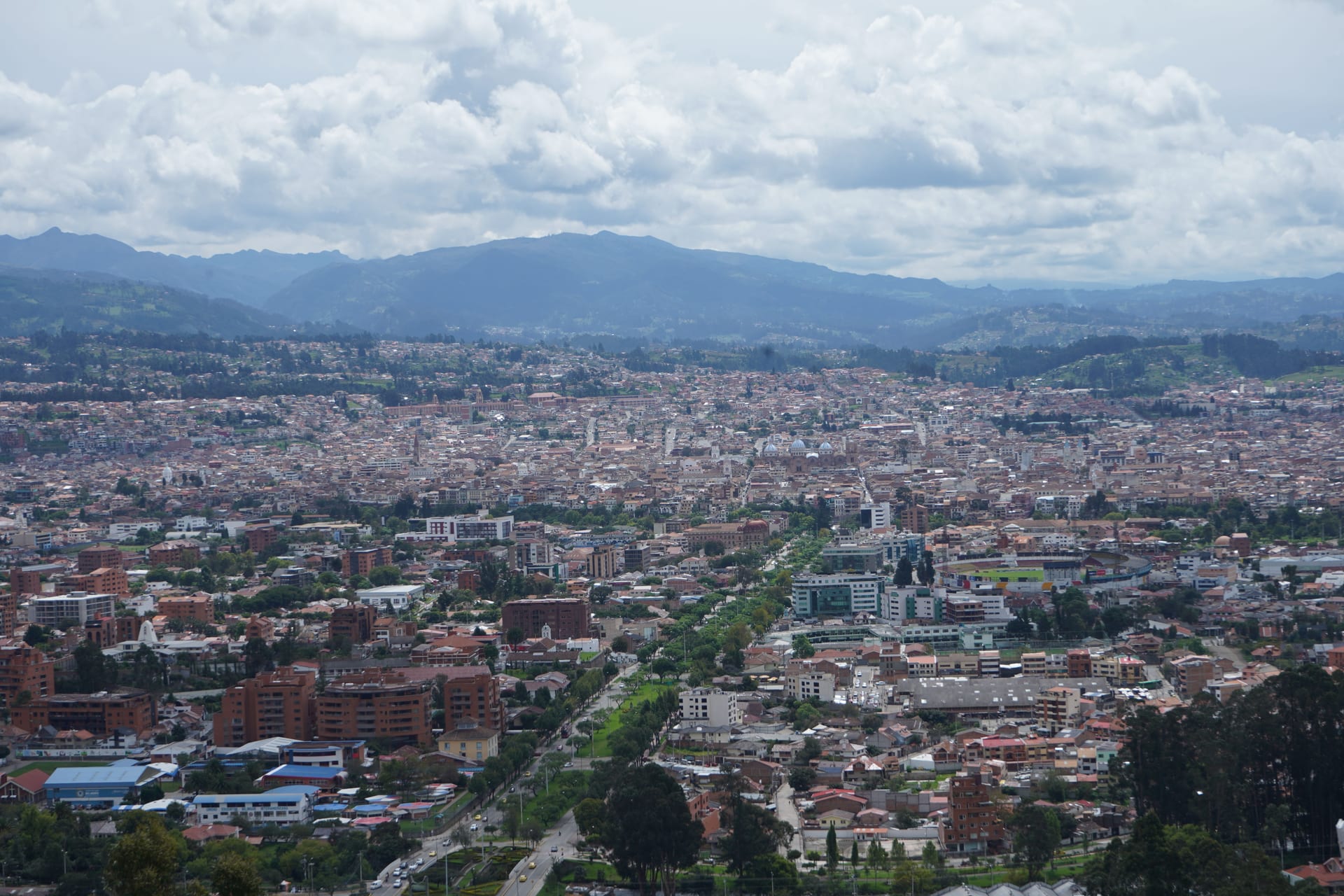
The fastest way to test a shortlist is to go. A week on the ground tells you things no ranking can.
Partner link
Approved language-learning and international money resources for practical next steps.