
Living in Port Louis
Port Louis is a compact, warm-weather capital with clean air and a calm pace. The wider urban area is home to about 557,000 people, but the local career market remains shallow, with low local pay. Humidity and frequent rainy-grey days are the main climate trade-offs.
Port Louis at a glance
Vital stats
Shown in USD: the local currency (MUR) moves too fast for stable monthly figures.
Where Port Louis stands out
The metrics where Port Louis sits farthest from the middle worldwide, good and bad.
Cheap to arrive, expensive to stay?
A typical one-bedroom in Port Louis runs $446/mo. That is ~67% of one typical local employee’s mean net pay. This is a solo-newcomer stress test: sitting tenants, shared homes, subsidised housing and informal rents are deliberately outside the numerator.
The fastest way to test a shortlist is to go. A week on the ground tells you things no ranking can.
Partner link
Approved language-learning and international money resources for practical next steps.
Daily life in Port Louis
How Port Louis scores
Category by category
Affordability
74/100Port Louis' open-market one-bedroom rent on a new lease is about $446 per month. That is roughly 67% of one typical employee's mean net pay, a rent burden labelled sharing likely.
Climate
tropicalWarm year-round, Port Louis averages about 26°C in January and 21°C in July. The air is clean, but humidity is high and muggy conditions are common for most of the year. Bright conditions are less consistent than the warmth suggests, with frequent grey, rainy days. Extreme-weather risk is another serious trade-off.
Nature access
alpineThe ocean is the headline. Beaches and reef are close at hand, and the wider island packs an outsized amount of weekend nature into a short drive, from peaks to forest patches to inland walks. Within the city itself green space is thin on the ground, so the outdoors is something residents head out to rather than something built into the streets.
Urban form
small cityPort Louis has a compact core, but the wider urban area is home to about 557,000 people, so the city is larger in daily reach than its centre suggests. Density is moderate, walkability is patchy, and most trips beyond the centre are easier by car. The pace remains calm.
Public life & spaces
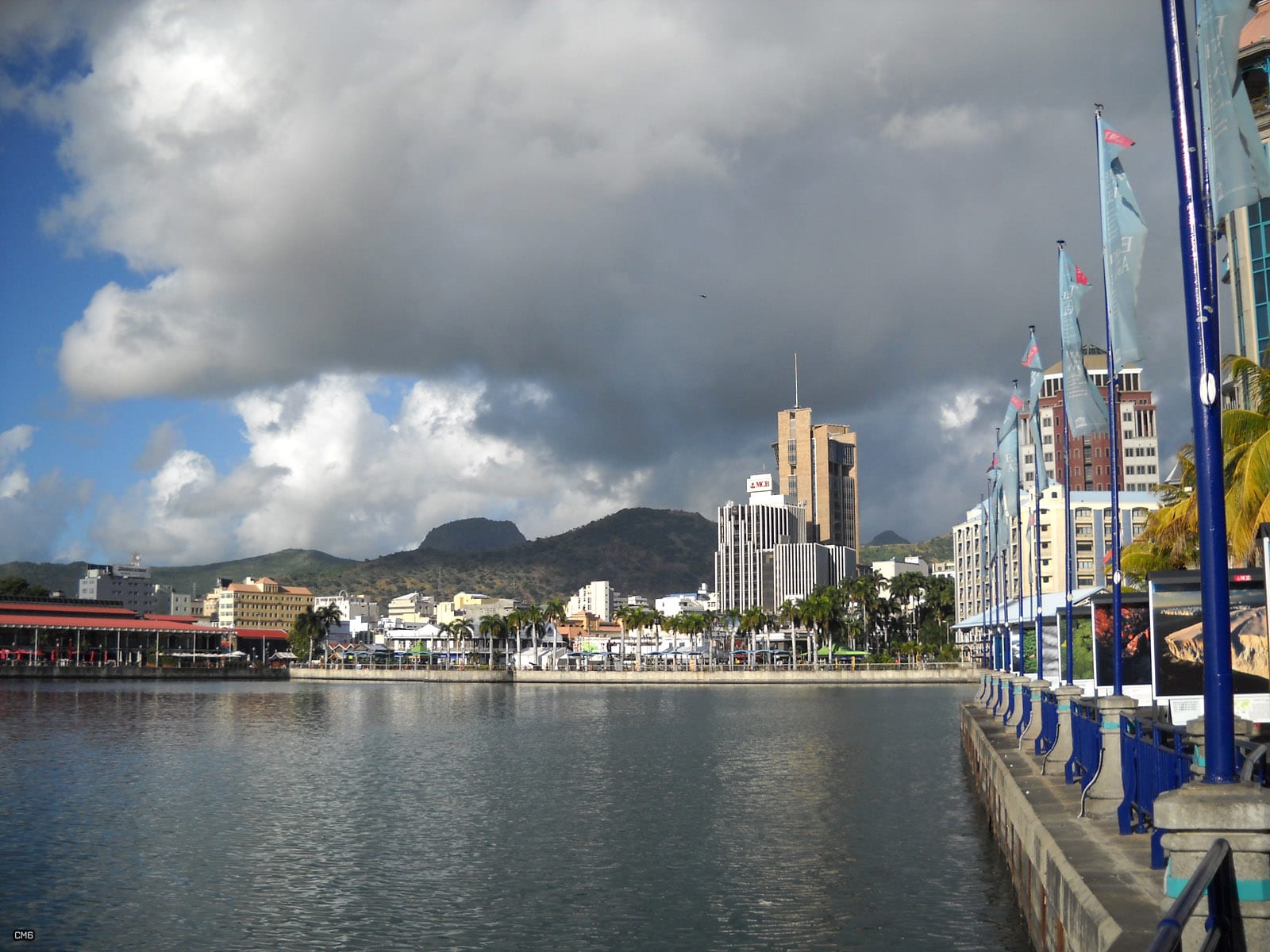
48/100Port Louis is fairly orderly for the region, modestly kept rather than polished, the Caudan waterfront and market squares giving its compact center real shared space. Nothing here is grand. Costs sit at middling island levels, so daily life is affordable but not free, livened by the odd festival rather than constant street culture.
Safety
73/100Port Louis feels safe in a way that stands out for the wider African region. Serious violent crime is rare and people generally move around with ease, with reasonable comfort after dark in the better areas. Opportunistic petty crime is the main thing to stay aware of, and the country's long democratic stability adds to the steady backdrop.
Healthcare
58/100Care is workable rather than excellent. Public hospitals and private clinics cover the basics, costs are manageable, and English is widely used in medical settings, which eases everyday visits for newcomers. The weak spots are a thin supply of doctors and emergency care that is less dependable than in a major medical hub, so complex cases often mean travelling.
Family life
57/100For families the appeal is an outdoor, safe childhood with the beach and warm weather a constant. Childcare is reasonably available and the pace suits raising kids. Schooling is more of a mixed bag, with limited top-tier options, and formal supports like parental leave are modest, so families often lean on international schools and private arrangements.
Career
61/100The local market is narrow, with low local pay. Professional networks and startup activity are limited, but English-language work is a relative strength and remote work is a plausible route for people whose income comes from elsewhere. It is a difficult place to build a career from the local market alone.
Culture & food
58/100The strength here is a distinctive Creole-Indian-Chinese-French food culture and a strong sense of local identity, all very accessible thanks to widely spoken English. Street eats and local restaurants punch above their price. The wider scene is quieter, with a thinner spread of cafes, nightlife, museums and events than a larger city would offer.
Ease of integration
74/100With English as the working language alongside French and Creole, newcomers face very little language barrier from day one. The society is markedly open to foreigners and genuinely mixed, the product of generations of Indian, African, Chinese and European settlement. That openness, plus a manageable cultural adjustment, makes it easier than most places to find a footing.
Connectivity
39/100Infrastructure is the clear weak link. There is no rail network to speak of, cycling provision is minimal, the airport offers limited reach, and fixed internet lags well behind what richer hubs deliver. Day to day, utilities are fairly reliable and road traffic stays manageable, but the heavy reliance on driving and slow connectivity will frustrate some.
Social values
mixedMauritius is notably welcoming to outsiders and proud of its multi-ethnic mix, which makes settling in feel unforced. On social attitudes it sits in the middle: more open than the conservative Gulf, but more traditional on questions of gender, sexuality and personal freedom than liberal Western cities. LGBTQ+ acceptance, in particular, is still cautious.
Relocation ease
55/100As relocations go, this is one of the smoother ones. English carries through the whole process, visas and work permits are relatively straightforward, taxes are simple, and the cultural adjustment is gentle. Banking and housing admin take some patience, but the overall friction is low compared with many destinations.
The trade-offs
A year in Port Louis
Jan peaks around 28°C, Jul days top out near 23°C, and the year brings roughly 158 bright days.
Can you actually move here?
The hard limits people most often bring to a move, scored against Port Louis's data.
Moving with a pet
Bringing a pet here takes real planning. As an island that has kept its rabies-free status, Mauritius enforces strict import rules with health certificates, testing and possible quarantine, so allow plenty of lead time and budget for the paperwork.
Who Port Louis works for
Answer the questionnaire and see where Port Louis lands for you.
Take the free questionnaireWhere else to look
Port Louis vs. comparable cities


Objective scores (0–100) for Port Louis and its 4 nearest comparable cities.
The cities people weigh against Port Louis
Unexpected siblings
Far from Port Louis on the map, close across all 14 categories of daily life.


