
Living in Johannesburg
Johannesburg combines warm summers, cool winters, and a bright, mostly dry climate with a broad but fiercely competitive job market. English is widely usable, yet unemployment is about 32% and local pay is low. The city offers real professional opportunity, but local job hunting demands a clear strategy and patience.
Johannesburg at a glance
Vital stats
Shown in USD: the local currency (ZAR) moves too fast for stable monthly figures.
Where Johannesburg stands out
The metrics where Johannesburg sits farthest from the middle worldwide, good and bad.
Cheap to arrive, expensive to stay?
A typical one-bedroom in Johannesburg runs $450/mo. That is ~93% of one typical local employee’s mean net pay. This is a solo-newcomer stress test: sitting tenants, shared homes, subsidised housing and informal rents are deliberately outside the numerator.
The fastest way to test a shortlist is to go. A week on the ground tells you things no ranking can.
Partner link
Approved language-learning and international money resources for practical next steps.
Daily life in Johannesburg
How Johannesburg scores
Category by category
Affordability
71/100Johannesburg's open-market one-bedroom rent on a new lease is about $450 per month. That is roughly 93% of one typical employee's mean net pay, a rent burden labelled solo unlikely.
Climate
temperateJohannesburg has warm summers, cool winters, and a bright, mostly dry climate. Only about 22 days are muggy, while roughly 252 days are bright. Winter nights are cold, and air quality is the main climatic compromise.
Nature access
leafyLandlocked and far from the coast, so the ocean and dramatic mountains that define Cape Town simply are not here. What Joburg offers instead is greenery, one of the most heavily treed urban areas anywhere, plus reachable weekend escapes toward the Magaliesberg and the wider bushveld. For hiking or surf, though, this is the wrong base.
Urban form
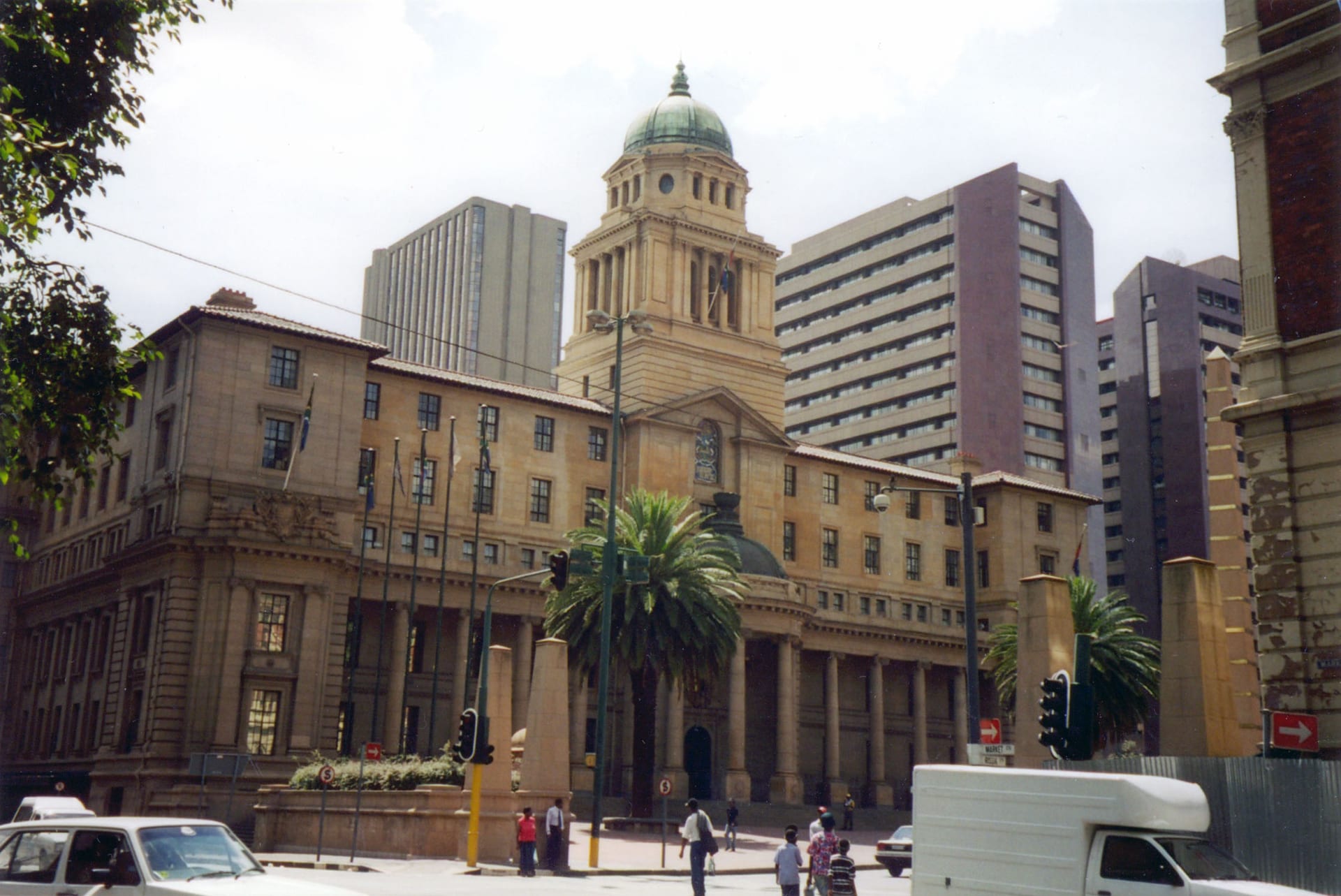
megacitySprawl defined the place long before anyone planned it. A car is close to mandatory, walkable streets are scarce, and life clusters inside gated complexes and shopping malls rather than along public sidewalks. Homes tend to be spacious with gardens, the trade-off being a fragmented, low-density layout that keeps everything a drive away.
Public life & spaces
37/100Johannesburg is more developed than most of the continent but visibly neglected, security shaping everything: life retreats behind gates and into malls that stand in for squares. Genuine public space is scarce and the city is built for cars. Costs are moderate, but the arts and nightlife scene stays genuinely lively where you reach it.
Safety
23/100The hardest honest read in this report. Violent and property crime are high, and most residents adjust their routines, avoiding walking at night, securing the home, staying alert at intersections. Perceived safety is low even by South African standards. Newcomers can live well here, but it takes constant situational awareness that calmer cities never demand.
Healthcare
55/100A two-track system. Private hospitals are good and almost entirely English-speaking, which suits foreigners who carry medical cover. The public side is strained, doctors per capita are thin, and out-of-pocket exposure without private insurance is steep. Quality care exists; reliable access to it depends heavily on the plan paying for it.
Family life
40/100A mixed picture for families. Spacious housing, decent private schools, and an outdoor childhood come easily, and the climate helps. The overriding concern is child safety, which scores poorly and shapes everyday parenting choices around lifts, supervision, and where children play. Family life here tends to revolve around the home and trusted enclaves.
Career
66/100Johannesburg has one of the broader local markets in this group, and English works well across professional settings. Yet unemployment is about 32%, so competition is severe, while local pay remains low. It suits people who can secure a role or bring outside income, rather than those relying on an easy local job search.
Culture & food
79/100Where Joburg quietly outshines its rivals. The music and art scene is among the country's strongest, the restaurant range is wide, and the local culture runs deep across the neighbourhoods of Maboneng, Braamfontein, and the northern suburbs. Nightlife and galleries are easy to find. For creative energy, it holds its own against Cape Town and beats the Gulf comfortably.
Ease of integration
70/100English is the working language and goes a long way, which lowers the entry barrier for most newcomers. The city is strikingly diverse and socially open, with a large international and pan-African population, so finding a circle is realistic. The flip side is low everyday civic trust, meaning connection often forms within tight networks rather than spontaneously across the street.
Connectivity
37/100Reliability is the recurring frustration. Public transport is thin and not built for getting around, intercity rail barely functions, broadband lags, and power and water cannot be fully relied upon. The international airport is the bright spot, well connected across Africa and beyond. Most people plan around the gaps with backup power and a full tank.
Social values
progressiveLiberal and pluralistic in outlook, with a secular public culture and constitutional protections for LGBTQ people that are progressive for the continent. Society is diverse and broadly open to foreigners. What undercuts it is weak civic trust and a sense of disorder, the gap between admirable values on paper and the daily friction of how things actually run.
Relocation ease
53/100The language side is as smooth as it gets, with English everywhere and almost no barrier to settling in. The paperwork is the grind. Visas and work authorization are harder to secure than in Berlin or the Gulf, and banking and bureaucracy move slowly. Cultural adjustment, by contrast, tends to come fairly naturally for English speakers.
The trade-offs
A year in Johannesburg
Jan peaks around 26°C, Jun days top out near 19°C, and the year brings roughly 252 bright days.
Can you actually move here?
The hard limits people most often bring to a move, scored against Johannesburg's data.
Moving with a pet
Bringing a pet is moderately involved, roughly on par with the Gulf and harder than moving one into Germany. Expect import permits, vaccination and health paperwork, and some lead time, so start the process early rather than close to the move.
Who Johannesburg works for
Answer the questionnaire and see where Johannesburg lands for you.
Take the free questionnaireWhere else to look
Johannesburg vs. comparable cities


Objective scores (0–100) for Johannesburg and its 4 nearest comparable cities.
The cities people weigh against Johannesburg
Unexpected siblings
Far from Johannesburg on the map, close across all 14 categories of daily life.

