
Living in Tokyo
Tokyo runs on order and quiet competence: trains to the second, streets that feel safe at any hour, and food at every price point. For all its scale it costs less to rent and eat here than in Seoul or much of Western Europe. Daily life leans heavily on Japanese, though, and the work culture asks a lot.
Tokyo at a glance
Vital stats
Where Tokyo stands out
The metrics where Tokyo sits farthest from the middle worldwide, good and bad.
Cheap to arrive, expensive to stay?
A typical one-bedroom in Tokyo runs ¥109,575/mo. That is ~31% of one typical local employee’s mean net pay. This is a solo-newcomer stress test: sitting tenants, shared homes, subsidised housing and informal rents are deliberately outside the numerator.
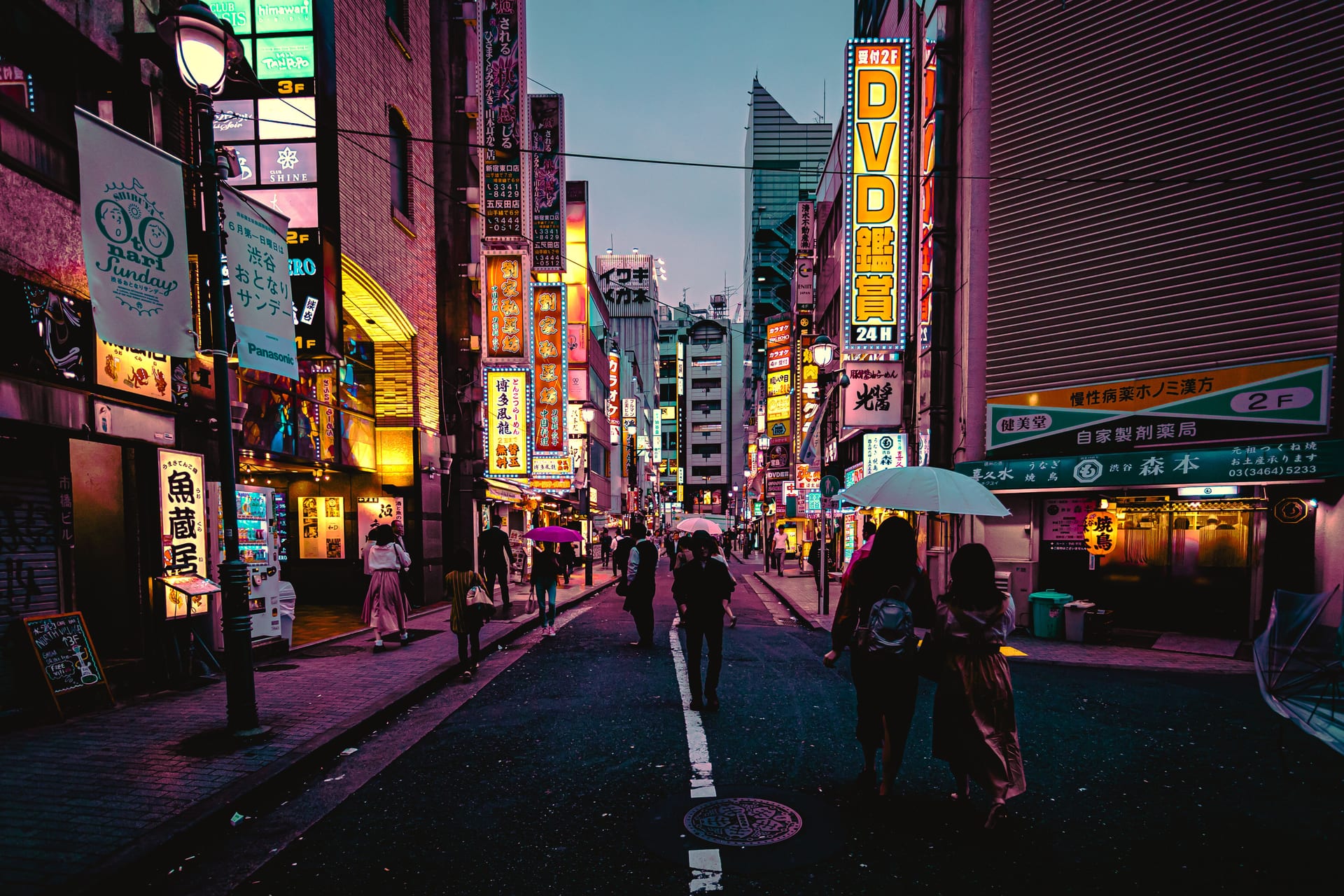
The fastest way to test a shortlist is to go. A week on the ground tells you things no ranking can.
Partner link
Approved language-learning and international money resources for practical next steps.
Daily life in Tokyo
How Tokyo scores
Category by category
Affordability
70/100Tokyo's open-market one-bedroom rent on a new lease is about ¥109,575 per month. That is roughly 31% of one typical employee's mean net pay, a rent burden labelled manageable solo.
Climate
subtropicalTokyo gets a genuine seasonal spread. January averages about 5°C, and around 192 days are bright, so winter is not relentlessly dim. Summers are hot and sticky, with muggy spells common and severe-weather exposure a real trade-off.
Nature access
alpineDensity squeezes the greenery, and park space per resident is thin, with rivers and lakes scarce inside the city. What Tokyo offers instead is the reach outward: mountains, forests, hot springs, and the trails of the surrounding region make for easy weekends, and the coast sits within striking distance. For everyday parkland, though, residents have to travel.
Urban form
megacityOne of the most walkable and densely woven cities anywhere, built around transit rather than cars and full of self-contained neighbourhoods where daily life happens on foot. Mixed-use streets stack shops, food, and homes on top of each other, and the pace rarely lets up. Space is the trade-off: apartments run small and tight, more compact than in Seoul or most European capitals.
Public life & spaces
85/100Tokyo is exceptionally clean despite famously scarce bins — civic upkeep is strong and quietly relentless. Parks, shrines and the odd festival are lovely, though the city is dense and built space is at a premium. Shrines, parks and street festivals are free, but a great deal of the culture sits behind a ticket.
Safety
97/100About as safe as a major city gets. Violent crime is rare, petty theft uncommon, and the sense of security walking home late is close to absolute, exceeding what most of East Asia's other big hubs offer. Traffic is orderly and road deaths low. The everyday feeling here is one of being able to leave a bag and find it untouched.
Healthcare
75/100Clinical quality is high and out-of-pocket exposure stays low under the national insurance system, which is simpler to navigate than many newcomers expect. Two practical frictions hit foreigners hardest. Doctors are stretched relative to demand, and finding English-speaking care takes real effort outside specialist international clinics.
Family life
65/100For raising children, the safety and school quality are major draws, and kids gain unusual independence early, moving around the city on their own. Housing tends to run cramped for a family, and a demanding work culture leaves parents little time. Childcare and outdoor play land in the middle, workable rather than generous.
Career
82/100Tokyo offers a deep local market across several industries, low unemployment, and strong professional networks. Local pay sits around the middle of the comparison, while English-language roles and remote-work conditions are less generous than the wider market.
Culture & food
86/100This is the headline. Tokyo's food scene is arguably the best on earth across every price tier, the cafe and nightlife culture is deep, and museums, music, and a fiercely distinctive local culture reward years of exploring. The international community is smaller than in Seoul or Singapore, and the language barrier shapes how much of it opens up to outsiders.
Ease of integration
44/100Tokyo runs on a strong, orderly civic fabric, but breaking in as a newcomer is slow. Japanese is essential and rarely substitutable with English in daily life, openness to foreigners is reserved rather than hostile, and the expat scene is modest for a city this size. Connections form, through patience and language rather than easy small talk.
Connectivity
77/100The transit network is the global benchmark: comprehensive, punctual, and making car ownership pointless. Intercity bullet trains and airport links are first-rate, utilities are rock-solid, and internet is fast. Paper is where it lags. Government and banking processes remain stubbornly analog, and cycling lanes feel like an afterthought next to the rails.
Social values
mixedOrder, civic trust, and a broadly secular public life sit alongside more traditional social attitudes than newcomers from Western Europe may expect. Gender equality and openness to foreigners score low, and LGBTQ acceptance, while ahead of much of the region, trails liberal European norms. Society leans toward harmony and conformity over individual self-expression.
Relocation ease
43/100Visa and work-authorization hurdles are middling, but the day-to-day adjustment is steep. The language barrier ranks among the highest of any major destination, cultural adaptation is demanding, and banking and admin still lean heavily on in-person, Japanese-only paperwork. Housing search carries its own friction, with guarantor and key-money customs unfamiliar to most arrivals.
The trade-offs
A year in Tokyo
Aug peaks around 32°C, Jan days top out near 10°C, and the year brings roughly 192 bright days.
Can you actually move here?
The hard limits people most often bring to a move, scored against Tokyo's data.
Moving with a pet
Bringing a pet to Japan is moderately hard. The country runs a strict, paperwork-heavy import process with rabies titer testing and a long advance timeline, so animals from unprepared origins can face quarantine. Start the steps many months ahead.
Who Tokyo works for
Answer the questionnaire and see where Tokyo lands for you.
Take the free questionnaireWhere else to look
Tokyo vs. comparable cities
Objective scores (0–100) for Tokyo and its 4 nearest comparable cities.
The cities people weigh against Tokyo
Unexpected siblings
Far from Tokyo on the map, close across all 14 categories of daily life.

