Safest Cities in Asia (2026)
East and Southeast Asia are home to some of the safest large cities on earth, places where a forgotten phone comes back. The region’s safest cities, ranked on measured safety and stability.
Weighted blend of objective scores across 55 candidate cities in East & Southeast Asia, South & Central Asia, built from 110 source-backed metrics. No sponsorships and no editorial thumbs on the scale. see the methodology.
- 1
 SingaporeSingapore92#2 of 283 worldwide for Safety
About as safe as a major city gets, Singapore keeps violent crime rare, petty theft minimal, and late-night walking genuinely unremarkable, with excellent political stability and road safety behind it. Hospitals are world-class and staff speak fluent English, though out-of-pocket costs and a thinner doctor-to-population ratio make private insurance matter.
Safety 98Healthcare 73 - 2
 TokyoJapan92#3 of 283 worldwide for Safety
Violent crime is rare, petty theft uncommon, and the sense of security walking home late runs close to absolute, exceeding most of East Asia's other big hubs. Leaving a bag and finding it untouched is the everyday feeling. National insurance keeps out-of-pocket exposure low, though stretched doctors and scarce English-speaking care hit foreigners hardest.
Safety 97Healthcare 75 - 3KyotoJapan89#4 of 283 worldwide for Safety
Safety here is close to absolute: violent crime is rare to the point of being a non-issue, walking home at any hour is unremarkable, and traffic is orderly. On this axis Kyoto stands with Tokyo atop the global table. Care quality is high and national insurance keeps costs low, though limited English in clinics is a real hurdle.
Safety 96Healthcare 68 - Built for you, not the averageIs Singapore actually your #1?
This list weighs everyone's priorities the same. Answer a few questions and we'll weigh 110 metrics across 283 cities around your answers. Then show you your own top 20.
Take the free questionnaire - 4OsakaJapan87#6 of 283 worldwide for Safety
Walking home late feels routine rather than risky in Osaka, where violent crime is rare and the roads run orderly, placing it in the same elite tier as Tokyo. Clinical quality is high and national insurance keeps costs low, though thin doctor numbers and the effort of finding English-speaking practitioners can make routine appointments stressful for newcomers.
Safety 92Healthcare 73 - 5FukuokaJapan85#12 of 283 worldwide for Safety
Leaving a bag on a café chair is normal in Fukuoka, where violent crime is rare, late walks feel secure, and traffic runs orderly and low-risk. Medical care is high quality and cheap to access under national insurance, but doctors are stretched thin and English-speaking staff genuinely hard to find, so appointments often need a translator.
Safety 91Healthcare 68 - 6Okinawa (Naha)Japan84#13 of 283 worldwide for Safety
Even by Japan's high standards, Naha's everyday sense of safety is total: violent crime is rare, streets feel secure after dark, and traffic runs orderly. National insurance keeps out-of-pocket exposure manageable, but as an island prefecture it has fewer doctors per head than the mainland cities, and English-speaking staff are scarce.
Safety 91Healthcare 62 - 7
 Hong KongHong Kong SAR83#25 of 283 worldwide for Safety
Among the safest big cities anywhere, Hong Kong keeps violent crime rare, streets secure late at night, and traffic well managed. The softer spot is political stability, which sits below regional peers like Singapore. Clinical quality is high and English usable in medical settings, but doctors are thin on the ground and public-sector waits can be long.
Safety 87Healthcare 72 - 8
 MacauMacau83#19 of 283 worldwide for Safety
Genuinely one of the safest places a person could live, Macau pairs rare violent crime with orderly streets and comfortable late-night walking, backed by calm traffic and political stability. Core hospital care and emergency services are dependable, though thin doctor numbers and patchy English push non-Cantonese speakers toward private clinics or treatment in Hong Kong.
Safety 90Healthcare 62 - 9
 TaipeiTaiwan83#24 of 283 worldwide for Safety
Among the safest major cities anywhere, Taipei has very low violent crime, little street trouble, and a relaxed feel at night. The genuine asterisk is geopolitical: cross-strait tension keeps political stability lower than the daily calm suggests. Taiwan's national health system offers broad hospital access and low costs, though doctors are stretched and appointments short.
Safety 87Healthcare 72 - 10
 SeoulSouth Korea82#30 of 283 worldwide for Safety
Safety is one of Seoul's strongest cards: violent crime is rare, late walks feel normal across most of the city, and petty crime stays low, in the same league as Tokyo. Traffic is the caveat, with roads less forgiving. Hospitals are fast and well-equipped and national insurance keeps costs low, though English-speaking doctors take effort to find.
Safety 86Healthcare 71 - 11BusanSouth Korea81#33 of 283 worldwide for Safety
Violent crime is rare, streets stay calm after dark, and walking home late raises no real concern, putting Busan among the safest places anywhere, with road traffic the one soft spot. Care is high quality, fast and affordable, with hospitals easy to reach, though English-speaking doctors are harder to find than in Seoul.
Safety 86Healthcare 67 - 12
 ShanghaiChina76#67 of 283 worldwide for Safety
On street safety Shanghai is exceptional: violent crime is rare, petty theft uncommon, and walking alone at night feels secure, comparable to Tokyo or Hong Kong. The caveat sits in a wider political environment that scores poorly for openness. The best hospitals are genuinely capable if below Tokyo's top tier, and few staff work comfortably in English.
Safety 79Healthcare 67 - 13BeijingChina75#68 of 283 worldwide for Safety
Street safety is a standout: violent crime is rare, petty theft low, and night-time walking feels secure across most of the city. The clear qualifier is the political climate, a tightly governed place with surveillance and low openness scores. Top hospitals deliver strong care, but doctors are stretched and English-speaking care hard to find outside international clinics.
Safety 79Healthcare 64 - 14HangzhouChina75#70 of 283 worldwide for Safety
People move freely after dark in Hangzhou, where violent crime is close to nonexistent and petty theft rare. The asterisk is political: a tightly governed one-party state with limited civil liberties and pervasive surveillance. Healthcare is competent and improving, roughly on par with Shanghai, though English-speaking care is genuinely scarce and Mandarin near-essential.
Safety 79Healthcare 61 - 15ShenzhenChina75#65 of 283 worldwide for Safety
Day to day this is very safe: violent crime is rare, streets feel secure after dark, and pickpocketing is uncommon. The weaker note sits at national level, where political stability and the predictability of rules rank well below the regional leaders. Hospitals are modern and emergency care dependable, but insurance and English-speaking doctors are hard to navigate.
Safety 79Healthcare 61
Your weights are different: budget, visa reality, family plans and climate taste. The quiz scores all 283 cities against your answers.
Get your personal ranking →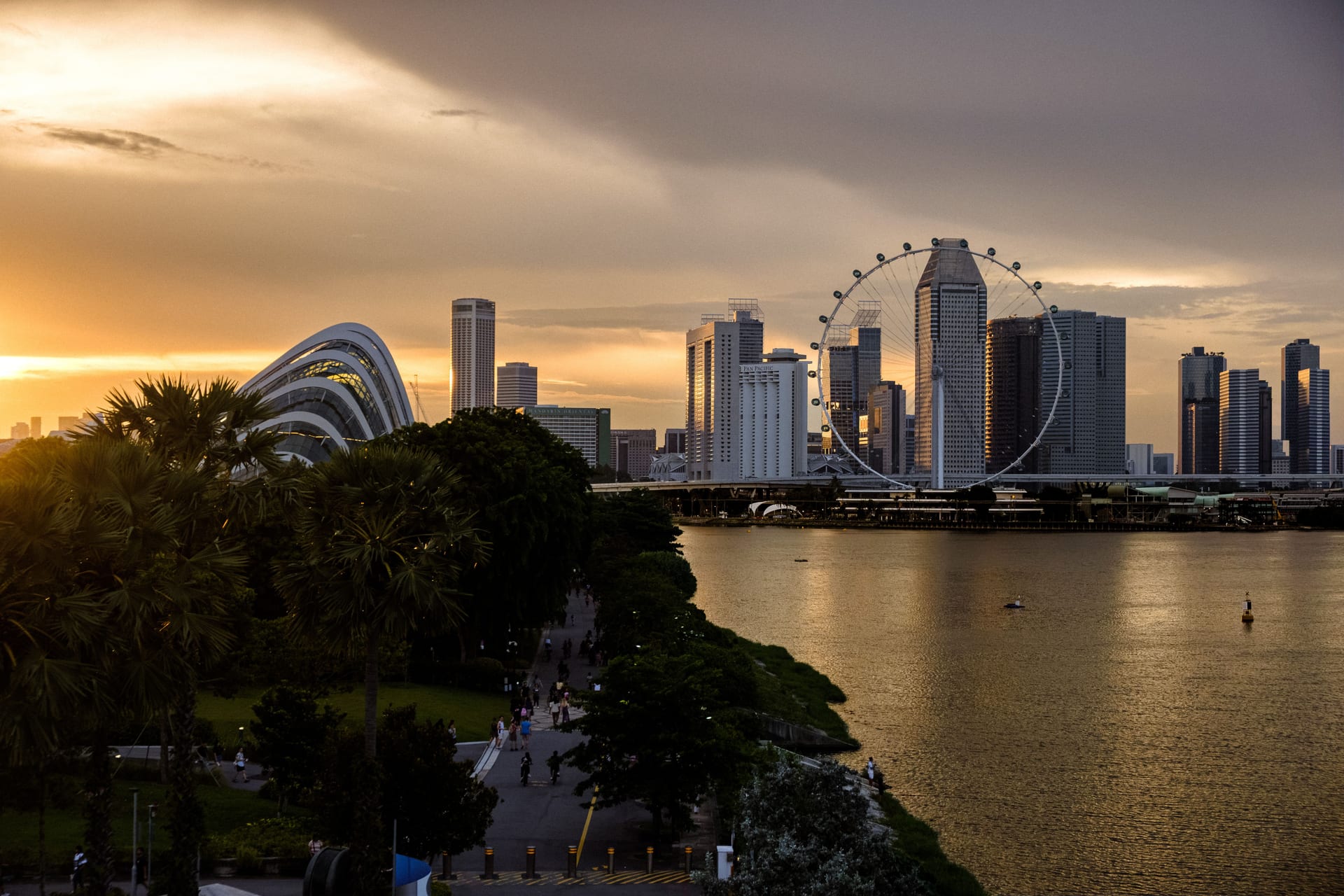
The fastest way to test a shortlist is to go. A week on the ground tells you things no ranking can.
Partner link
Approved language-learning and international money resources for practical next steps.