CrossBorders

Best Cities in Asia for Remote Work

Asia’s remote-work hubs pair world-class connectivity with costs the West cannot touch. The best bases across East, Southeast and South Asia for working online.

Score weighting
Affordability 27%Public life & spaces 23%Ease of integration 18%Connectivity 14%Relocation ease 9%Safety 9%
Chiang Mai, Thailand: CrossBorders ranking photo
#1Chiang MaiThailand

Rent, groceries and dining run far below Bangkok, and light taxes mean an online income goes far in the north. Public life centres on the walkable moated old town, its temples and the Sunday Walking Street market, with night markets and temple festivals essentially free.

+Everyday food+Lower daily costs−Choose the neighbourhood carefully
Explore Chiang Mai

Bali (Denpasar), Indonesia: CrossBorders ranking photo
#2Bali (Denpasar)Indonesia

Bali has one of the largest remote-worker communities in Asia, and a one-bedroom rents for around €240 a month, so a foreign income stretches a long way. English goes far within the big international crowd, and openness to newcomers is warm.

+Everyday value+Active public life−Language barrier
Explore Bali (Denpasar)
Bangkok, Thailand: CrossBorders ranking photo
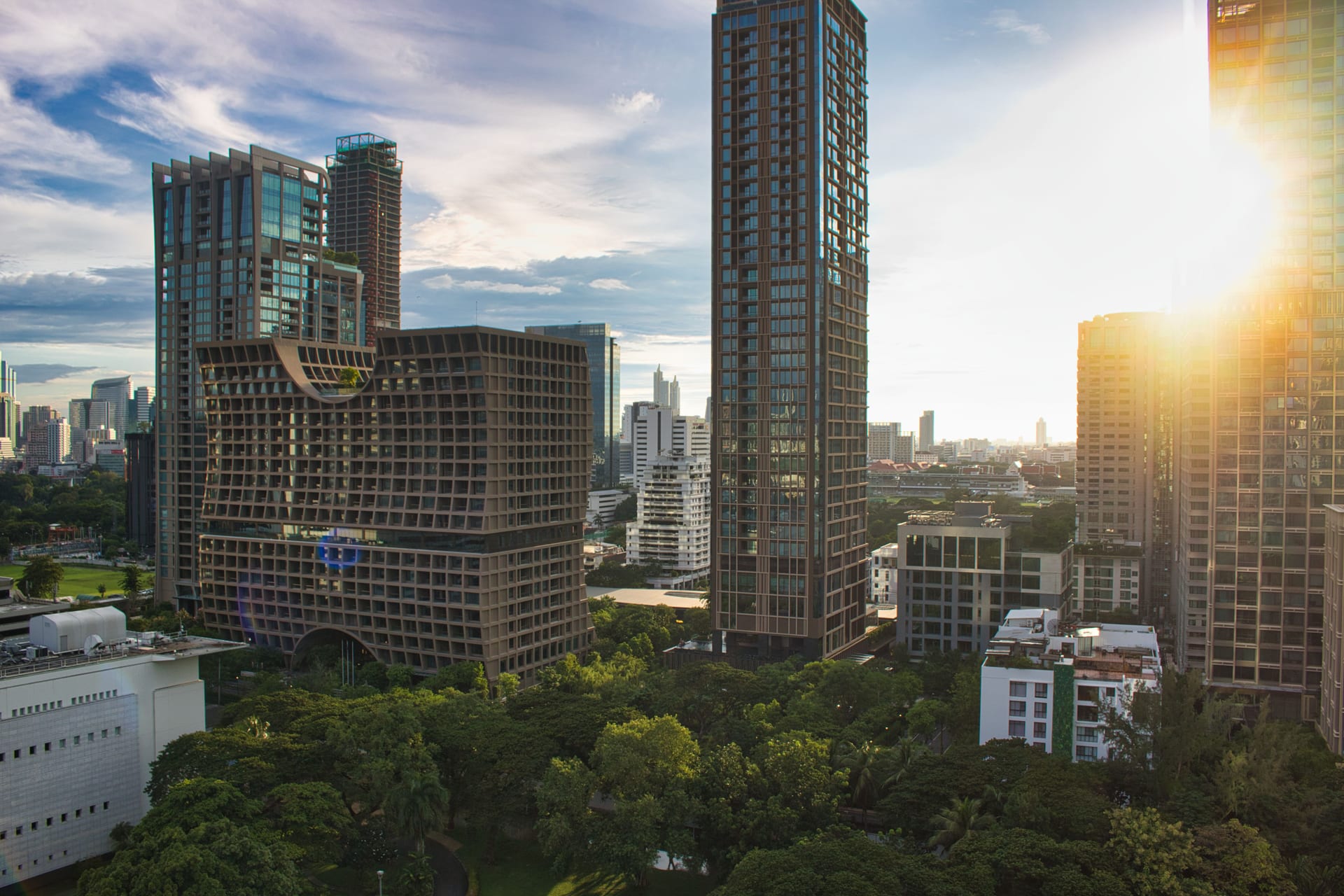
#3BangkokThailand

Bangkok is cheap for a capital of its size, with a one-bedroom around €379 a month, some of the best street food anywhere and a deep, long-established expat scene. Digital connectivity is solid and the airport makes the rest of the world easy to reach.

+Everyday food+Lower daily costs−Choose the neighbourhood carefully
Explore Bangkok
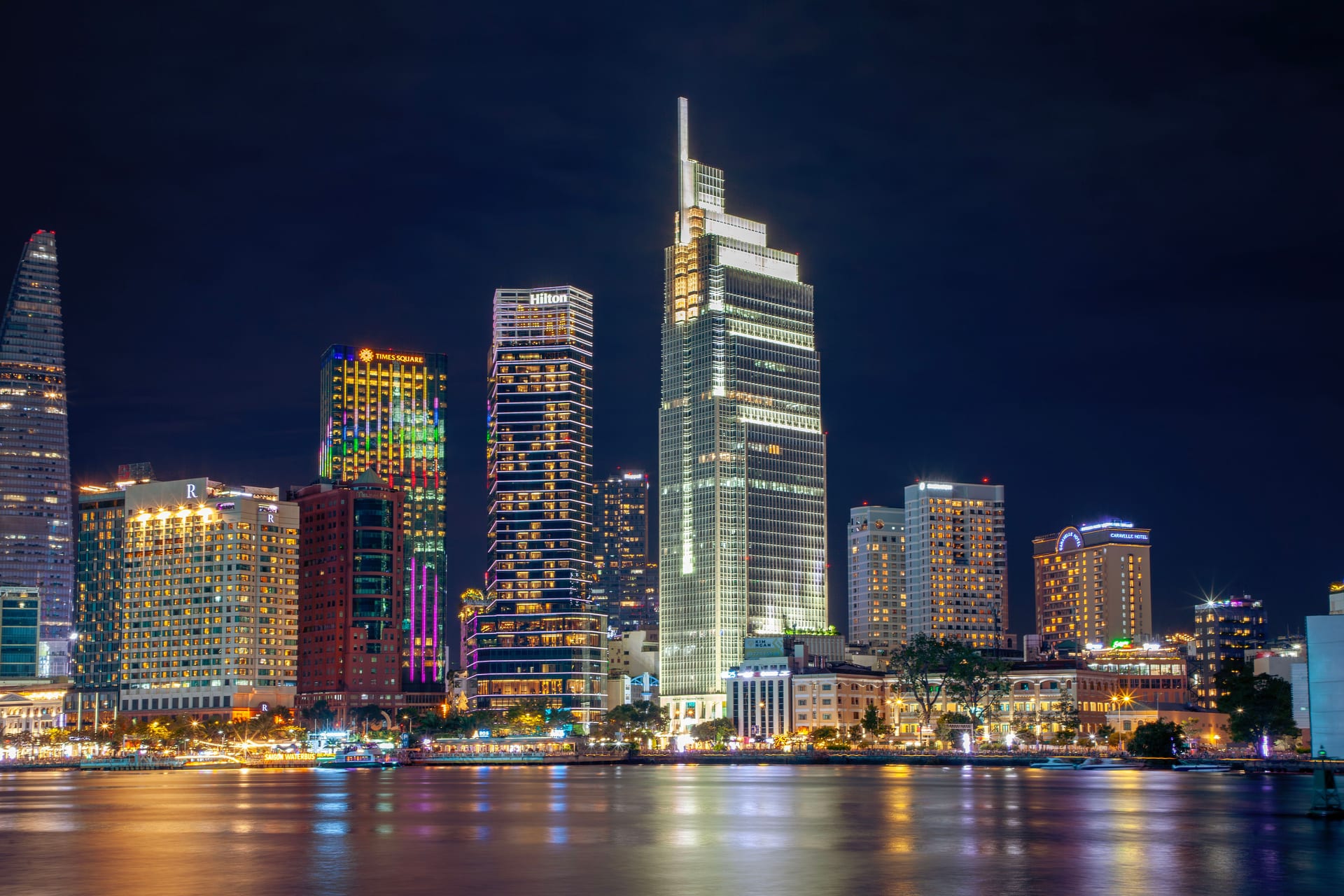
Da Nang, Vietnam: CrossBorders ranking photo
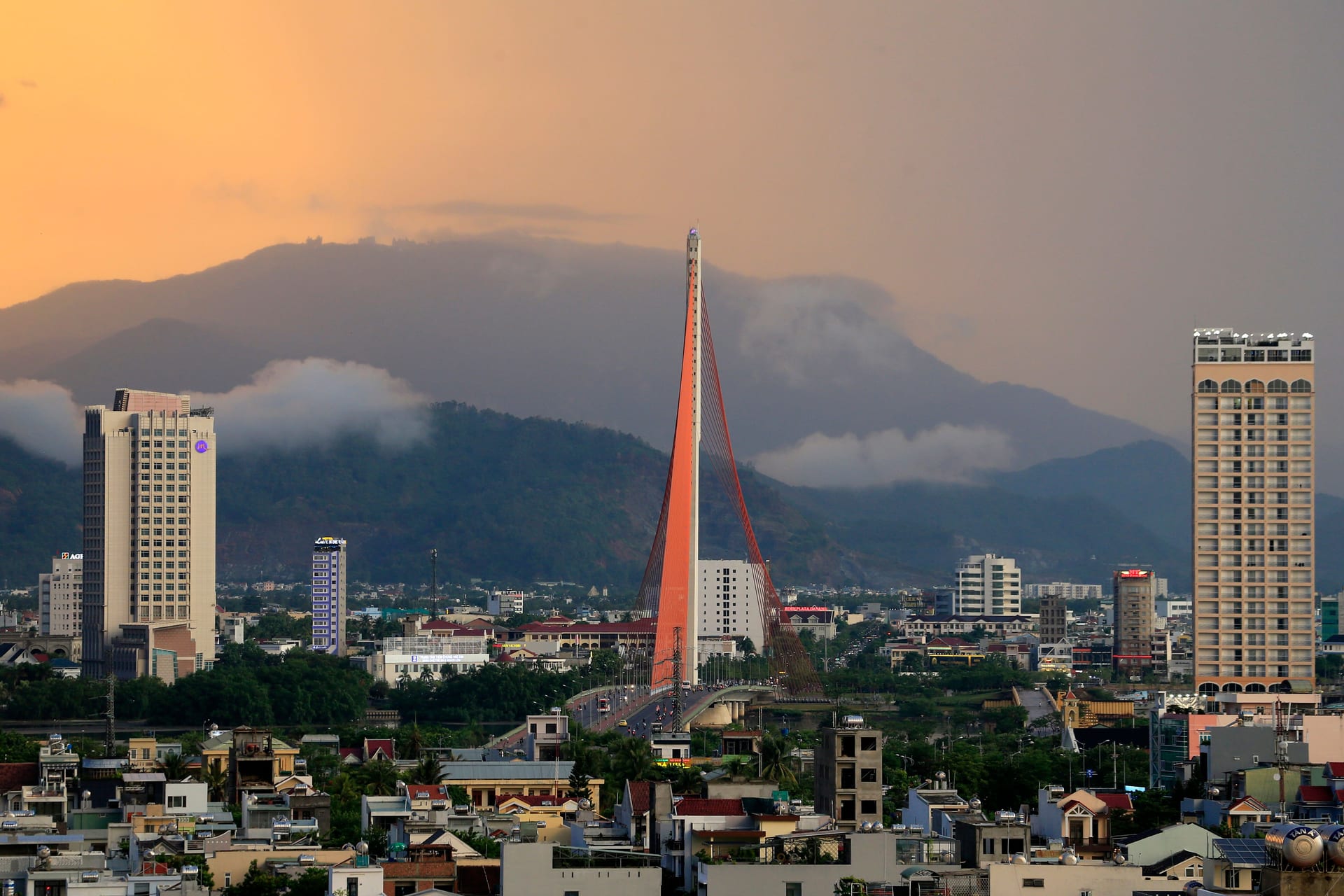
#4Da NangVietnam

Vietnam's most affordable major city, Da Nang undercuts Ho Chi Minh City and Bangkok on daily costs, so a modest online income stretches far. Public life is a clean beachfront: the Han riverside promenade and the Dragon Bridge, with beaches and festivals free, if short on Hanoi's density.

+Low living costs+Long city beach−Vietnamese for deeper ties
Explore Da Nang
Kuala Lumpur, Malaysia: CrossBorders ranking photo
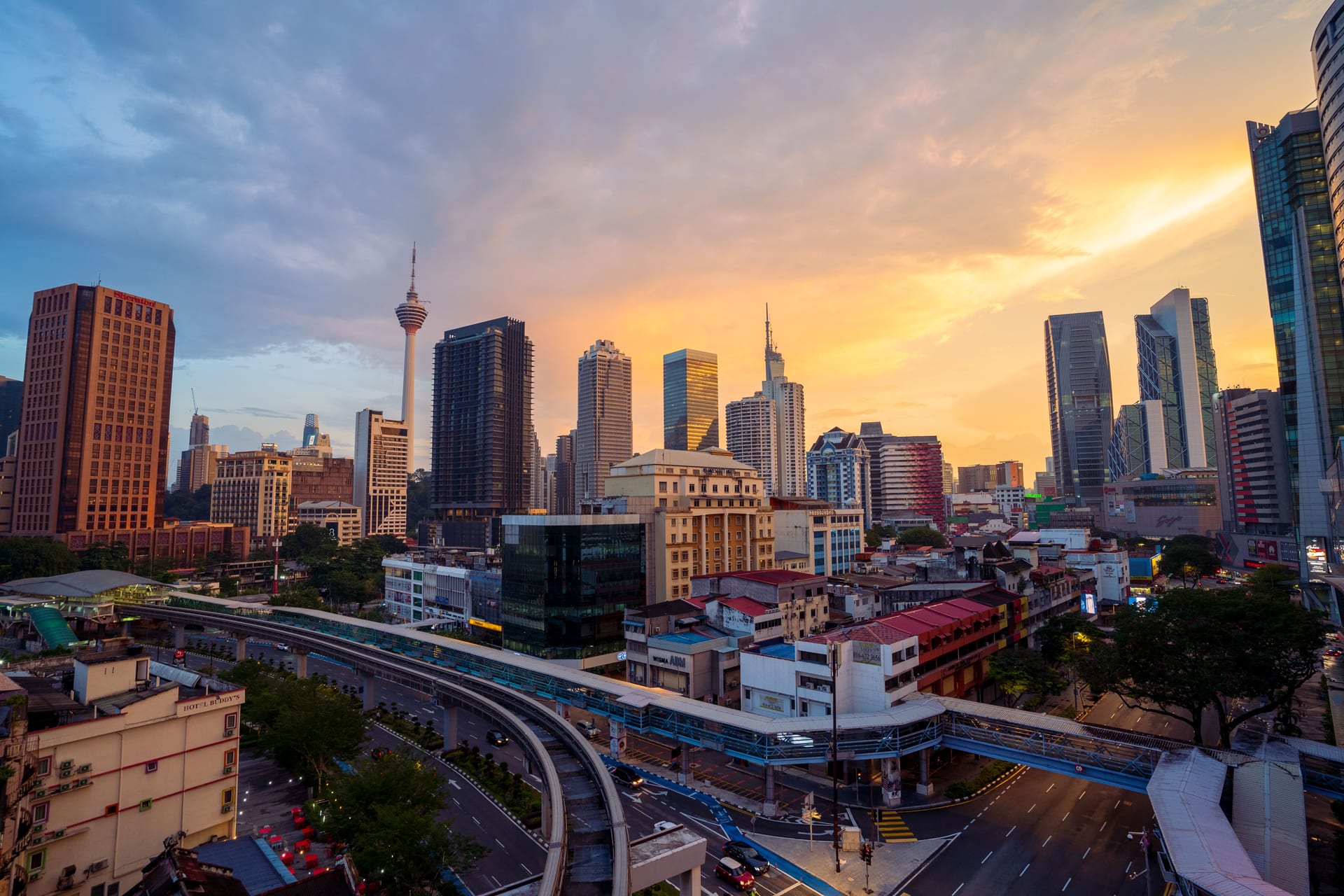
#5Kuala LumpurMalaysia

Kuala Lumpur runs on a major regional airport with excellent global reach, solid internet, and a metro that covers the centre well. Rent, groceries, and eating out all cost a small fraction of what they would in Singapore across the causeway, and personal income tax stays light.

+Affordable city base+City-centre metro−Cycling nearly absent
Explore Kuala Lumpur
Penang (George Town), Malaysia: CrossBorders ranking photo
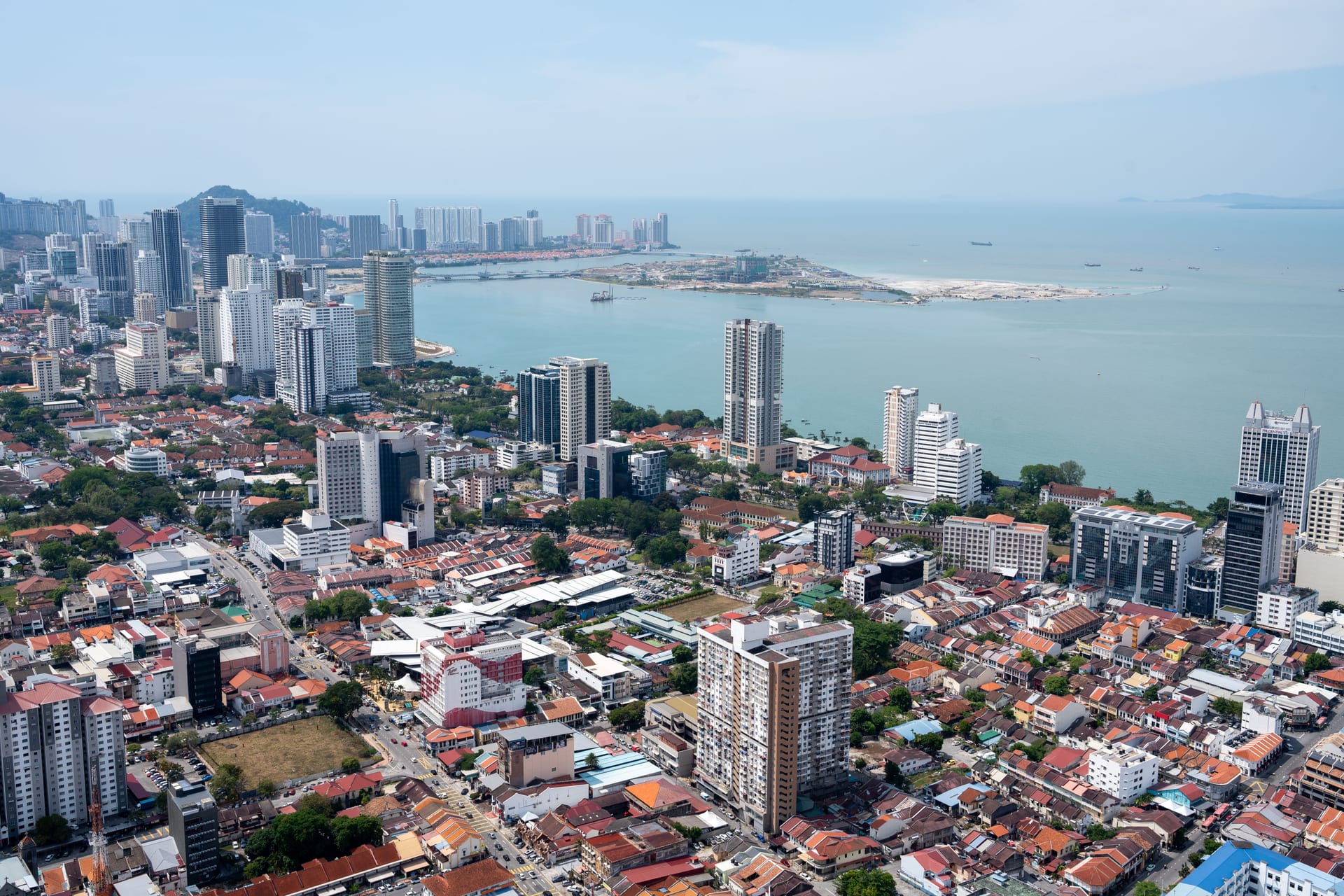
#6Penang (George Town)Malaysia

Penang keeps the everyday basics working: reliable utilities, traffic that flows better than Kuala Lumpur, and an airport with good reach across Asia. It is among the cheapest places to live well in Southeast Asia, which rewards anyone earning from abroad.

+Low daily costs+English works daily−Weak transit
Explore Penang (George Town)
Ho Chi Minh City, Vietnam: CrossBorders ranking photo
#7Ho Chi Minh CityVietnam

Ho Chi Minh City has fast, dependable mobile and home internet and a one-bedroom for around €306 a month, with day-to-day costs well under Bangkok. The city is genuinely open to foreigners and has an established international crowd.

+Everyday value+Active public life−Choose the neighbourhood carefully
Explore Ho Chi Minh City
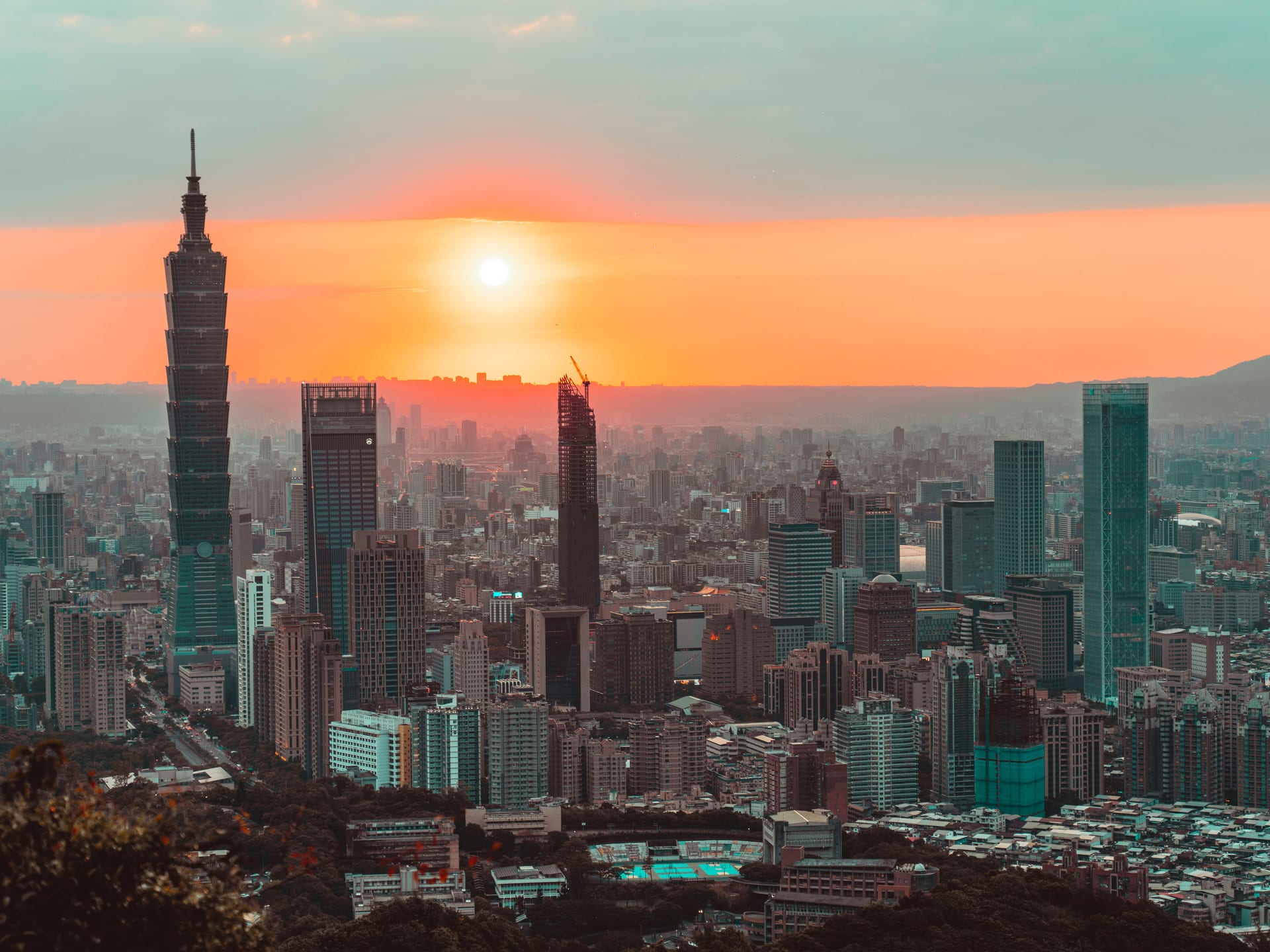
Taipei, Taiwan: CrossBorders ranking photo
#8TaipeiTaiwan

The MRT makes a car genuinely unnecessary in Taipei, and it anchors a city where rents run below Tokyo and Seoul and groceries and especially street food cost far less. Internet is reliable and the airport connects well across Asia.

+Punctual MRT+Cheap street food−Punishing humid summers
Explore Taipei
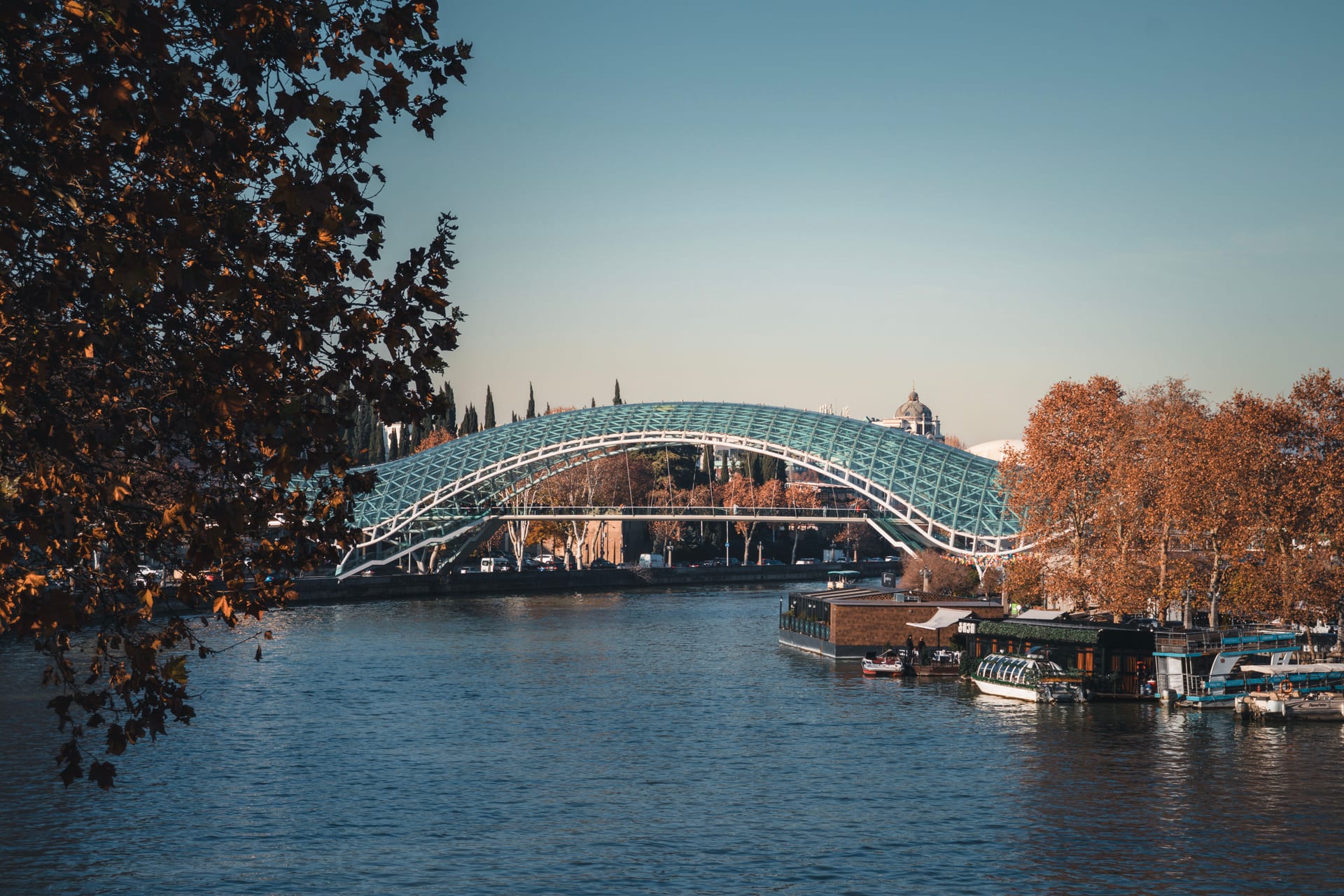
Tbilisi, Georgia: CrossBorders ranking photo
#9TbilisiGeorgia

One of the cheapest capitals a newcomer will weigh, Tbilisi runs far below Yerevan or Europe on daily costs, its flat tax light. Public life lives in the crumbling old-town lanes, the riverfront, restored squares and sulphur baths, made for cheap wandering, with street culture that runs late.

+Waterfront access+Lower daily costs−Choose the neighbourhood carefully
Explore Tbilisi
Stay up to date
Our latest data stories, city rankings and comparisons.

We'll email you a confirmation link. A few emails a month, some with partner offers. Unsubscribe anytime. Privacy policy.

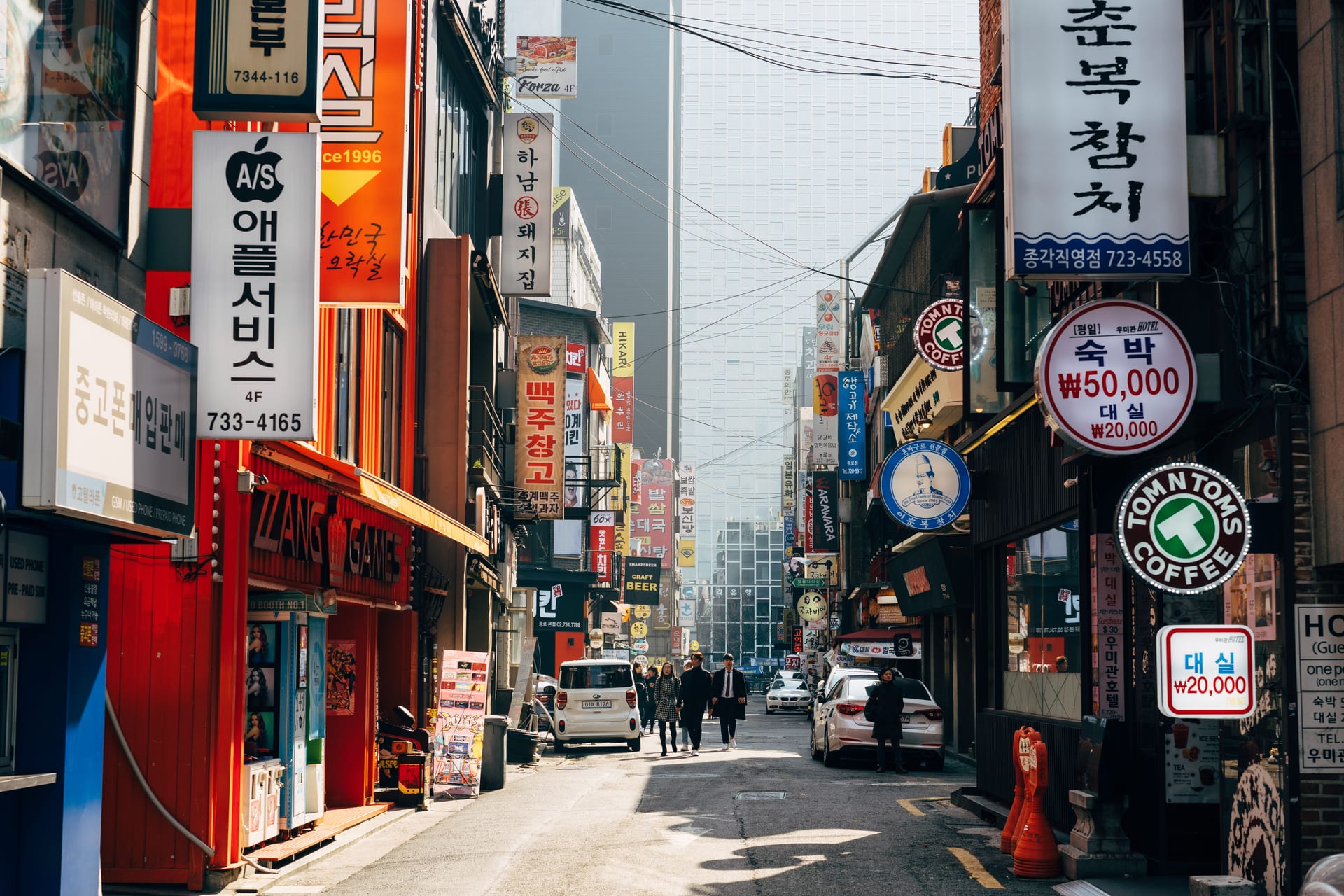
Seoul, South Korea: CrossBorders ranking photo
#10SeoulSouth Korea

Few cities match Seoul on infrastructure: a world-class metro, internet among the fastest on earth, heavily digitised paperwork, and a top global airport. Renting and eating out cost less than in most rich-world capitals, and the streets feel remarkably safe.

+World-class metro+Fast internet−Limited English
Explore Seoul
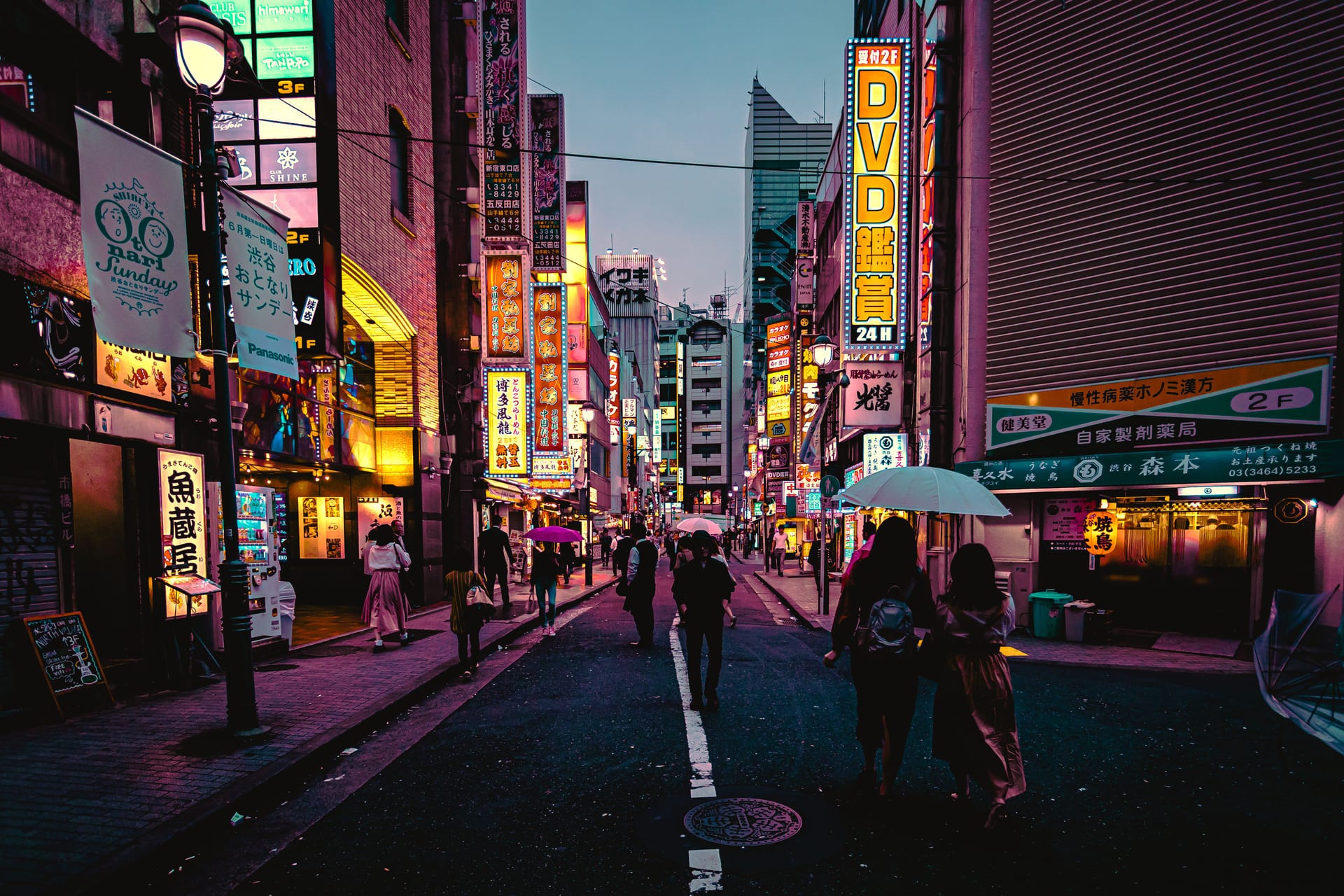
Tokyo, Japan: CrossBorders ranking photo
#11TokyoJapan

Tokyo's transit network is the global benchmark, comprehensive and punctual enough to make a car pointless, with first-rate airport links and fast internet. Rent and everyday costs land well below what a megacity this size suggests, restaurant meals especially.

+Affordable rents+Free parks and festivals−Japanese essential daily
Explore Tokyo
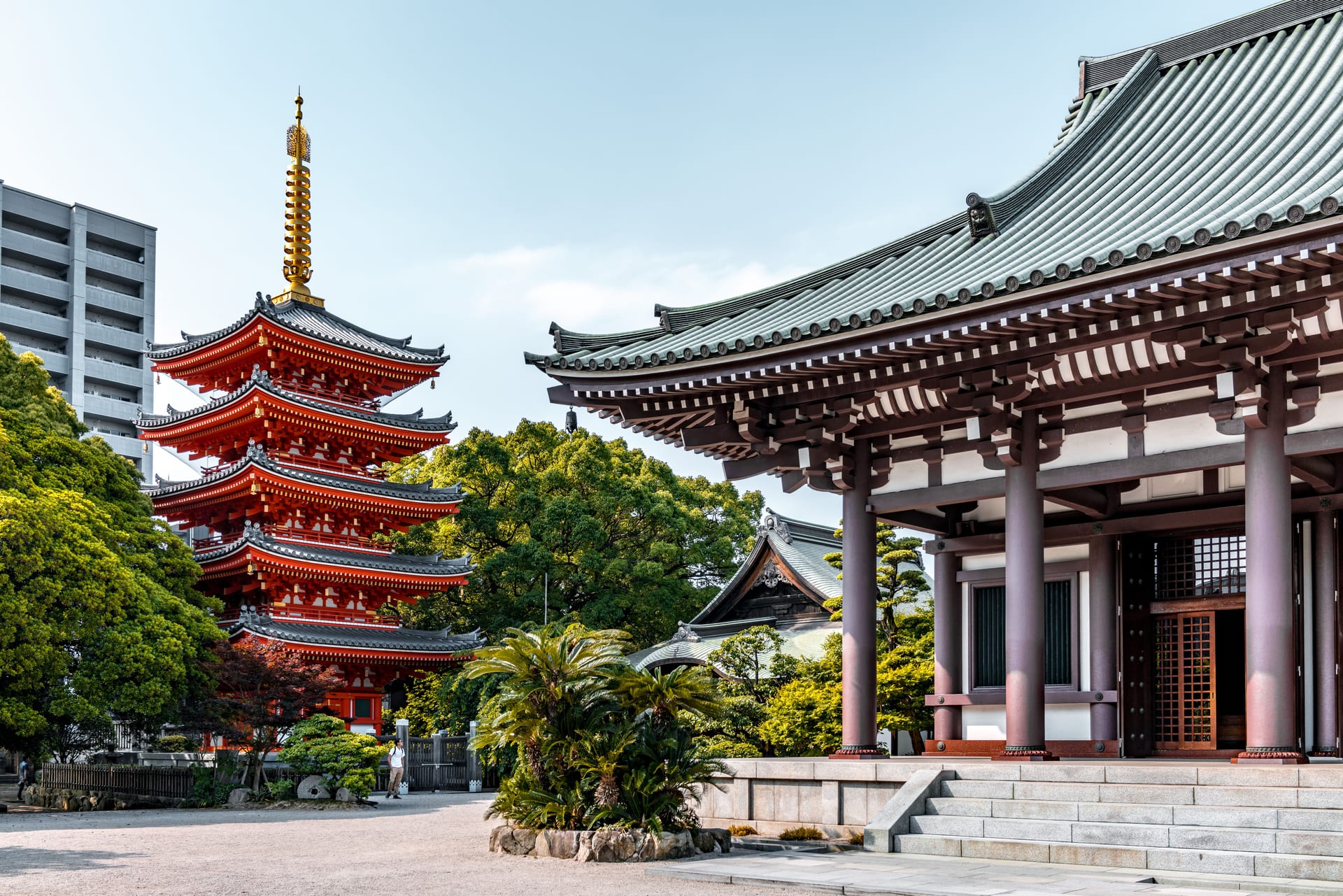
Fukuoka, Japan: CrossBorders ranking photo
#12FukuokaJapan

Fukuoka pairs punctual trains, fast internet, and an airport unusually close to the centre with rents that sit well below Tokyo. Bullet-train links fan out across the country, and groceries and eating out cost noticeably less than in the capital.

+Below-Tokyo rents+Punctual trains−Language barrier
Explore Fukuoka
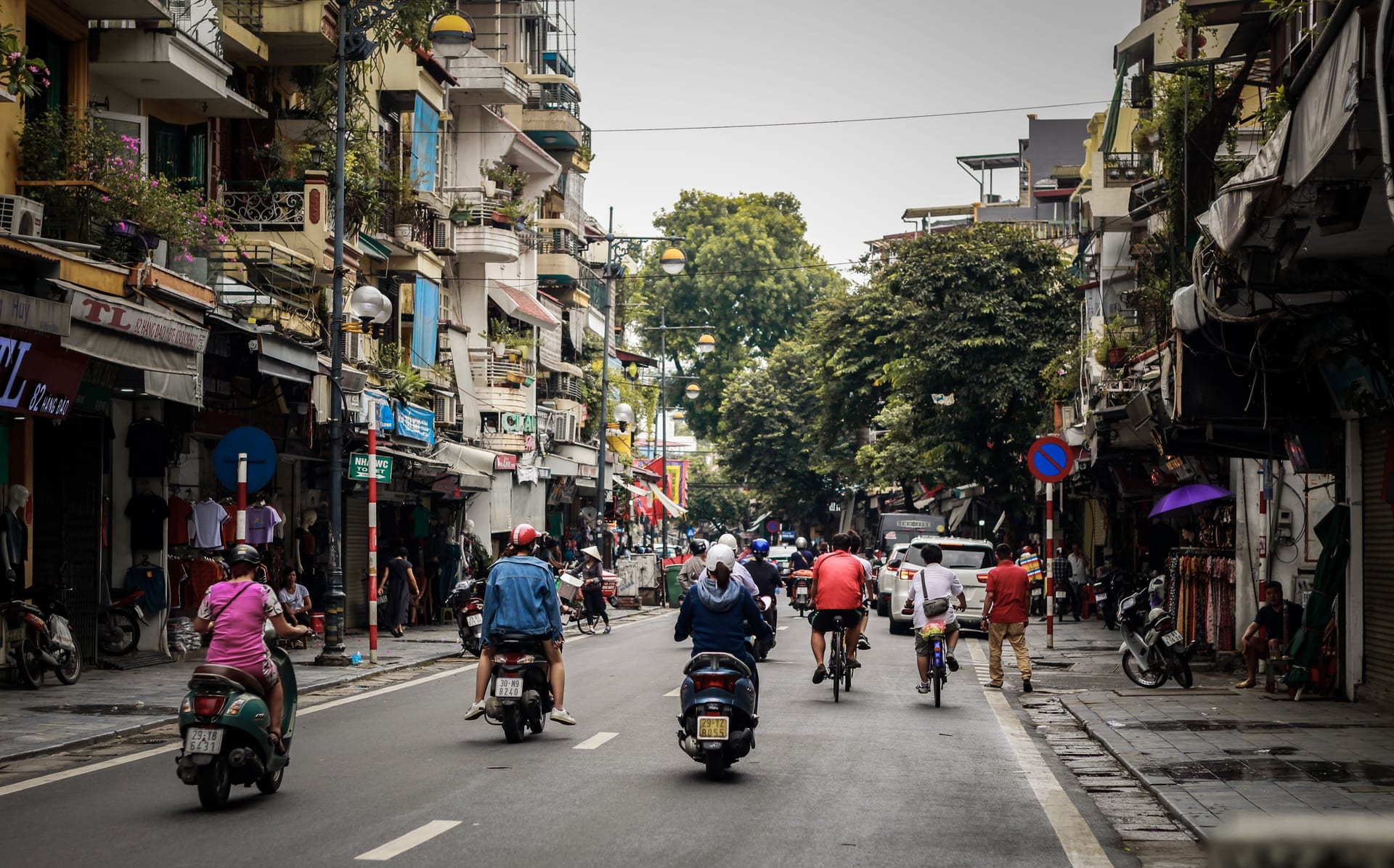
Hanoi, Vietnam: CrossBorders ranking photo
#13HanoiVietnam

Hanoi is one of the cheapest bases on this list, with a one-bedroom around €238 a month and fast, cheap internet on par with Bangkok. Locals tend to be warm and open to foreigners.

+Lower daily costs+Everyday value−Choose the neighbourhood carefully
Explore Hanoi
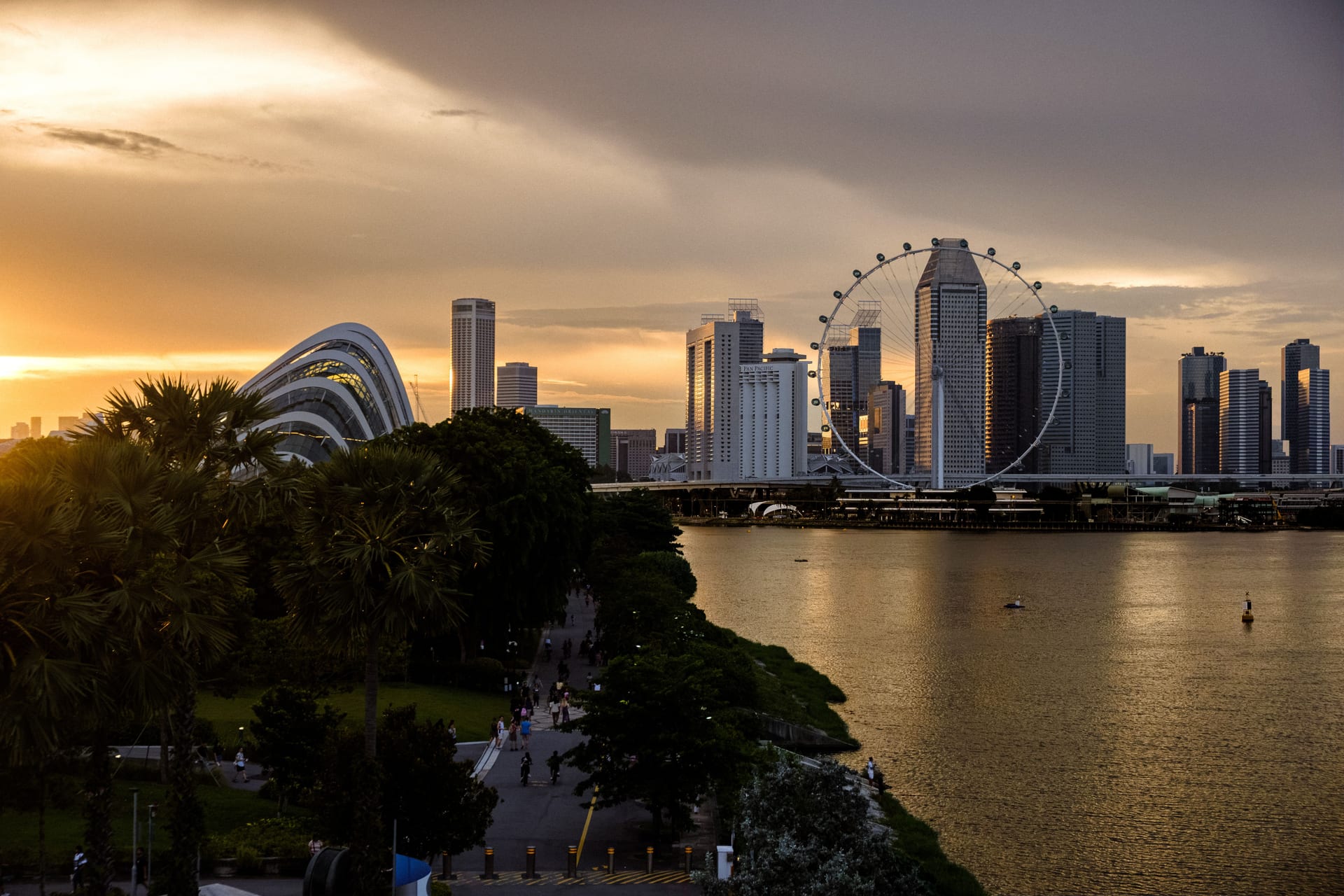
Singapore, Singapore: CrossBorders ranking photo
#14SingaporeSingapore

Singapore runs on probably the best infrastructure on the planet: a flawless metro, a benchmark airport, and government services that are almost entirely digital. It costs more to live here than almost anywhere nearby, but low personal taxes and cheap hawker-centre meals keep everyday spending in check for anyone earning online.

+Easy public transport+Digitised government−High everyday costs
Explore Singapore
Goa (Panaji), India: CrossBorders ranking photo
#15Goa (Panaji)India

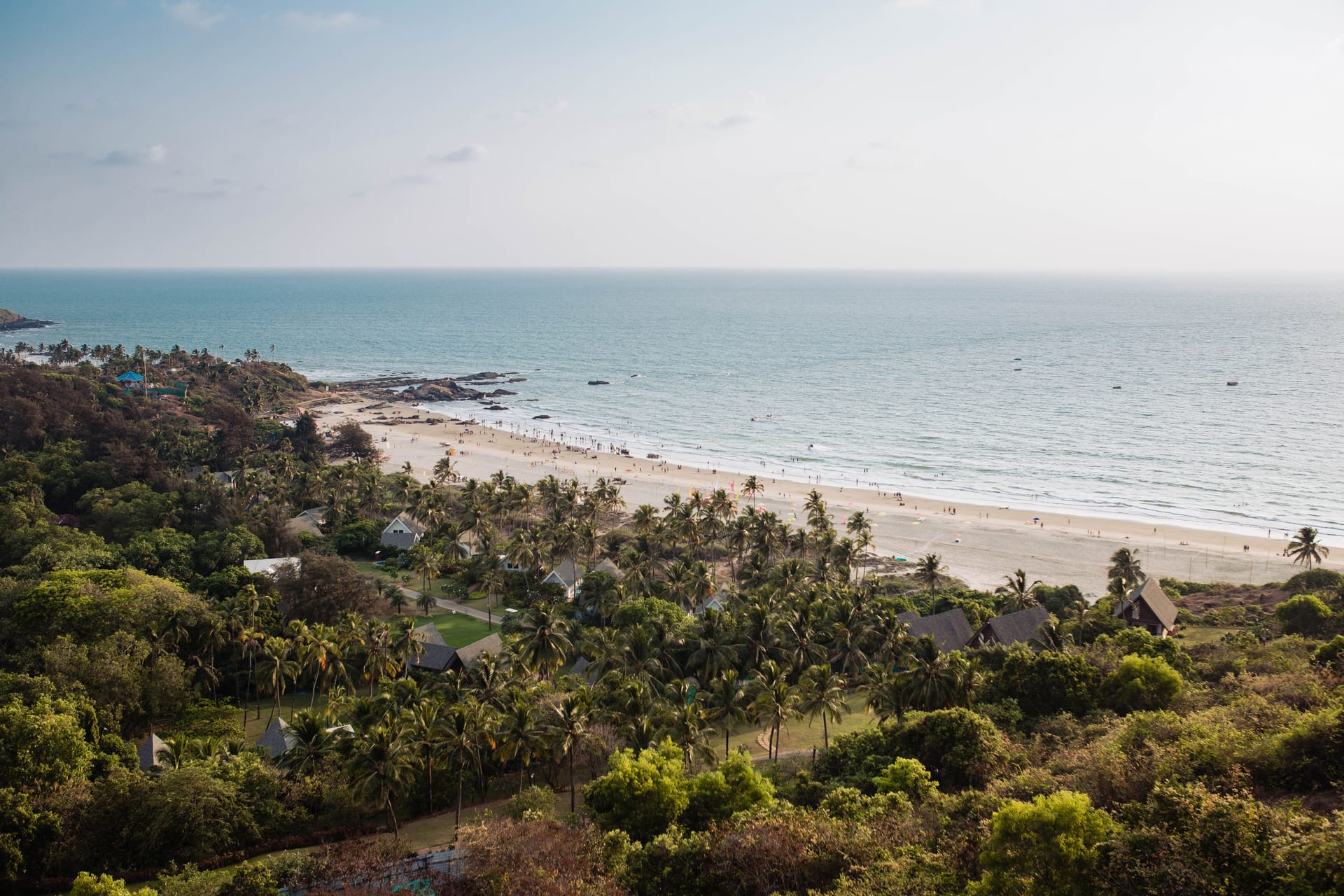
Connectivity is the honest weak point: public transport barely exists, utilities can be patchy, and getting around means your own wheels, though the airport gives reasonable regional links and none of Bengaluru's gridlock. Against that, day-to-day costs run among the lowest anywhere, and English plus an unusually open, transient crowd makes a remote worker's landing easy.

+Very low daily costs+Low rents−Patchy utilities
Explore Goa (Panaji)

At no extra cost to you, we may earn a commission when you buy through affiliate links on this page.