
Living in Lagos
Lagos is the commercial engine of West Africa, a sprawling, fast-moving megacity that runs on hustle and improvisation. It is Nigeria's answer to the region's other big hubs like Accra and Nairobi, but louder, denser and more relentless. Cheap to get by in, exhilarating to be part of, and genuinely hard on newcomers who expect things to just work.
Lagos at a glance
Vital stats
Shown in USD: the local currency (NGN) moves too fast for stable monthly figures.
Where Lagos stands out
The metrics where Lagos sits farthest from the middle worldwide, good and bad.
Cheap to arrive, expensive to stay?
A typical one-bedroom in Lagos runs $186/mo. That is beyond the mean net pay of a typical local employee. This is a solo-newcomer stress test: sitting tenants, shared homes, subsidised housing and informal rents are deliberately outside the numerator.
The fastest way to test a shortlist is to go. A week on the ground tells you things no ranking can.
Partner link
Approved language-learning and international money resources for practical next steps.
Daily life in Lagos
How Lagos scores
Category by category
Affordability
73/100Lagos' open-market one-bedroom rent on a new lease is about $186 per month. The rent-to-income measure reaches its 120% ceiling against one typical employee's mean net pay, so the underlying burden may be higher; the band is beyond local pay.
Climate
tropicalLagos stays warm and humid throughout the year, with almost no seasonal darkness but only about 88 bright days. Grey, rainy weather recurs across much of the calendar, and muggy conditions are close to constant. The appeal is warmth without a cold season; the price is that outdoor comfort depends heavily on timing.
Nature access
coastalThis is the city's clear weak spot. Parks and green space are scarce, there are no mountains or forests within reach, and weekend escapes into nature take real effort. There is ocean and beach within range, which softens the picture a little, but anyone who lives for hiking or open countryside will feel hemmed in.
Urban form
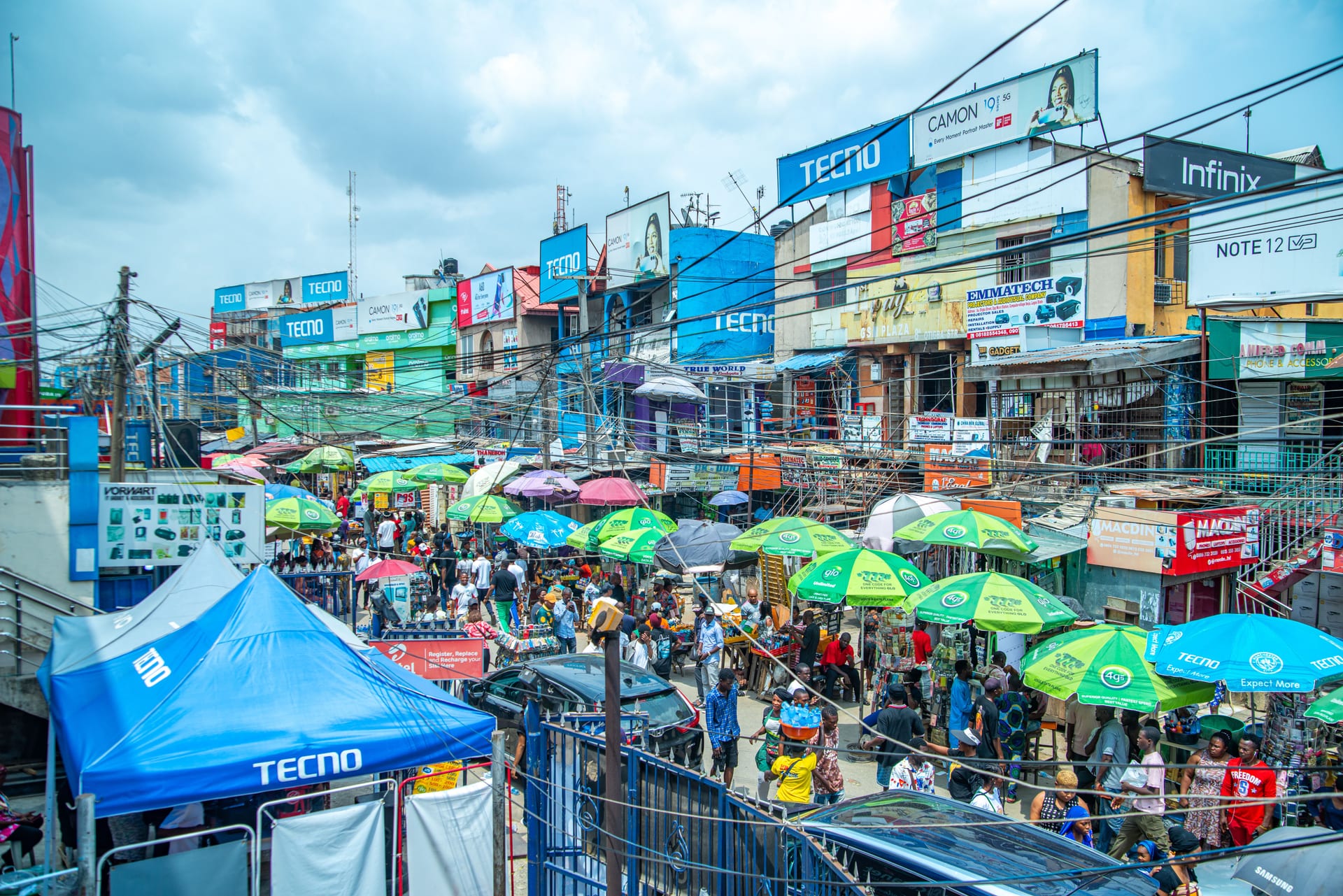
megacityA true megacity, dense and endlessly expanding, with one of the highest tempos of any city in the region. Walkability is poor and life is built around cars, so getting anywhere means sitting in traffic. Neighbourhood quality swings sharply between gated enclaves and improvised districts, with little middle ground.
Public life & spaces
11/100Lagos is a megacity at full congestion: waste piles up, upkeep is severely neglected, and genuine public space is scarce in the gridlocked sprawl. There are few squares or promenades to claim. What carries it is cost and sound, a vast Afrobeats and street scene where daily enjoyment is cheap and everywhere.
Safety
28/100Safety is a serious concern. Petty crime, perceived risk and night-time safety all rate poorly, political stability is shaky, and the roads are dangerous. Residents and expats lean heavily on private security, careful routines and local knowledge. This is a city that rewards street-smarts and punishes carelessness.
Healthcare
31/100Healthcare is thin and uneven. Doctor availability is among the lowest anywhere, hospital access and emergency care are unreliable, and out-of-pocket costs hit hard. The one bright spot is that care is delivered in English, which removes a layer of stress, but those who can afford it often plan medical travel abroad for anything serious.
Family life
28/100A demanding place to raise children. Child safety, schools and outdoor childhood all score low, and family housing is a stretch on local terms. Childcare is relatively available, and well-off families build a workable life around private schools and compounds, but the public infrastructure a family relies on is largely missing.
Career
67/100Lagos has a deep and energetic local market, with especially good access to English-language work and a strong startup scene. Professional networks are a further advantage, and unemployment is low. Local pay is very low, so the market's energy does not translate into strong earnings for people relying on local wages.
Culture & food
69/100Culturally this is one of the most alive cities on the continent. The music and art scene is world-famous and rivals far bigger capitals, nightlife runs late and loud, and local culture is everywhere and unapologetic. Restaurants and cafes are solid rather than refined, and vegetarians will find the options thin, but the energy is unmatched.
Ease of integration
52/100English is the working language and everyone speaks it, so the practical barrier to connecting is almost nil, helped further by Pidgin and Yoruba in daily life. Lagosians are famously warm and social, and openness to outsiders is decent. The harder part is the broader cultural adjustment, which is steep, so real integration takes patience.
Connectivity
15/100Infrastructure is the daily grind here. Power and utilities are unreliable, so generators are a fact of life, public transport is sparse, cycling is non-existent, and the internet lags well behind regional rivals. The airport keeps the city globally connected, but congestion clogs the roads and bureaucracy stays stubbornly analogue.
Social values
traditionalSocially conservative and openly religious, in step with Dubai more than with liberal hubs. Gender equality and secular public life rate low, and the city is among the least welcoming places anywhere for LGBTQ residents, with hostility backed by law. Openness to foreigners as visitors is reasonable, but underlying social norms are traditional.
Relocation ease
44/100Lagos is easy to navigate linguistically, but difficult to settle administratively. Visa and work authorization take work, bureaucracy is heavy, and housing and banking setup add friction. Cultural adjustment is substantial too, so the move demands patience even for newcomers who already work in English.
The trade-offs
A year in Lagos
Jan peaks around 31°C, Jul days top out near 27°C, and the year brings roughly 88 bright days.
Can you actually move here?
The hard limits people most often bring to a move, scored against Lagos's data.
Moving with a pet
Bringing a pet to Lagos is moderately difficult, on par with other major African hubs. Expect import permits, vaccination and paperwork requirements, and patchy bureaucracy, so build in extra time and ideally use a relocation agent to handle the process.
Who Lagos works for
Answer the questionnaire and see where Lagos lands for you.
Take the free questionnaireWhere else to look
Lagos vs. comparable cities


The cities people weigh against Lagos
Unexpected siblings
Far from Lagos on the map, close across all 14 categories of daily life.

