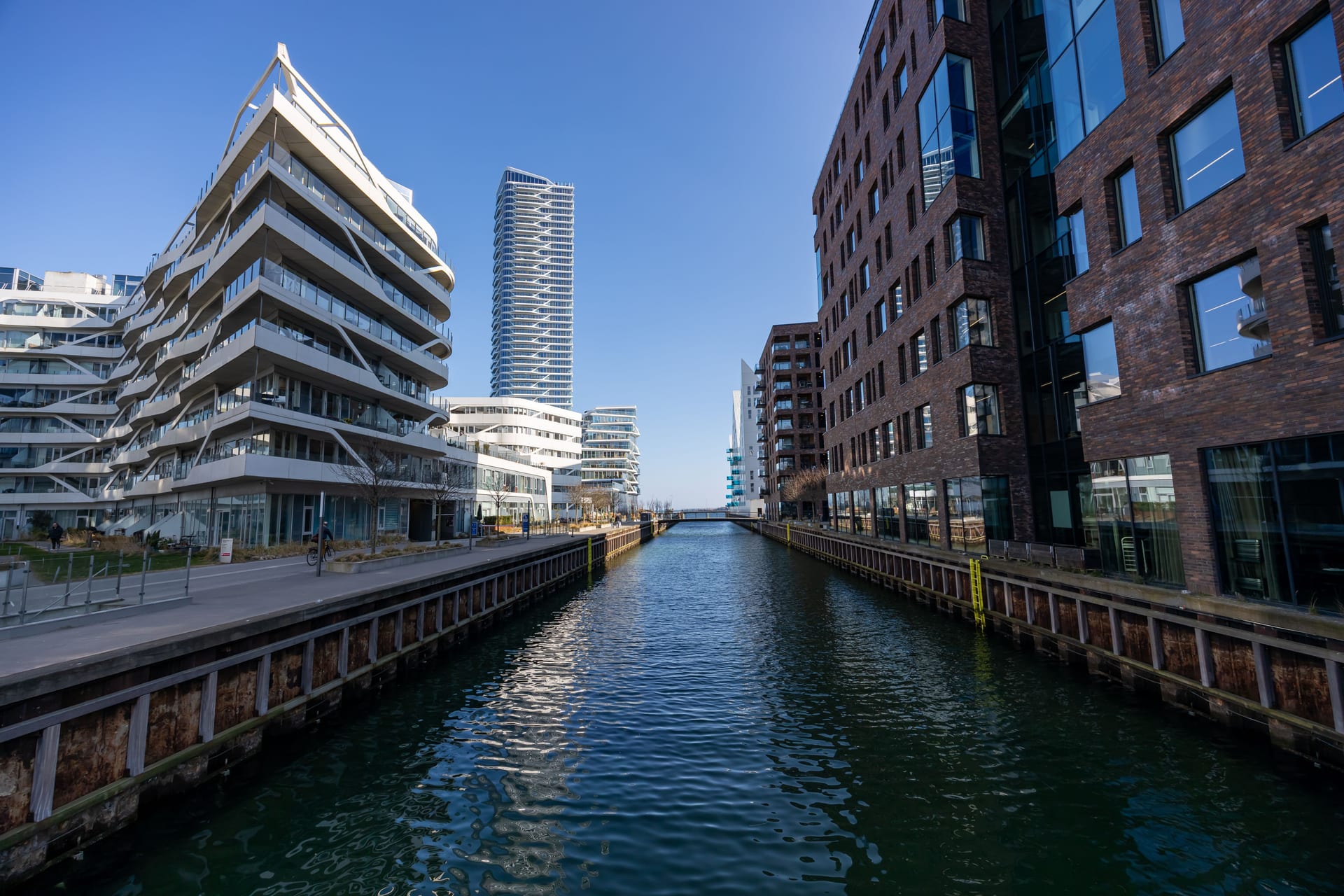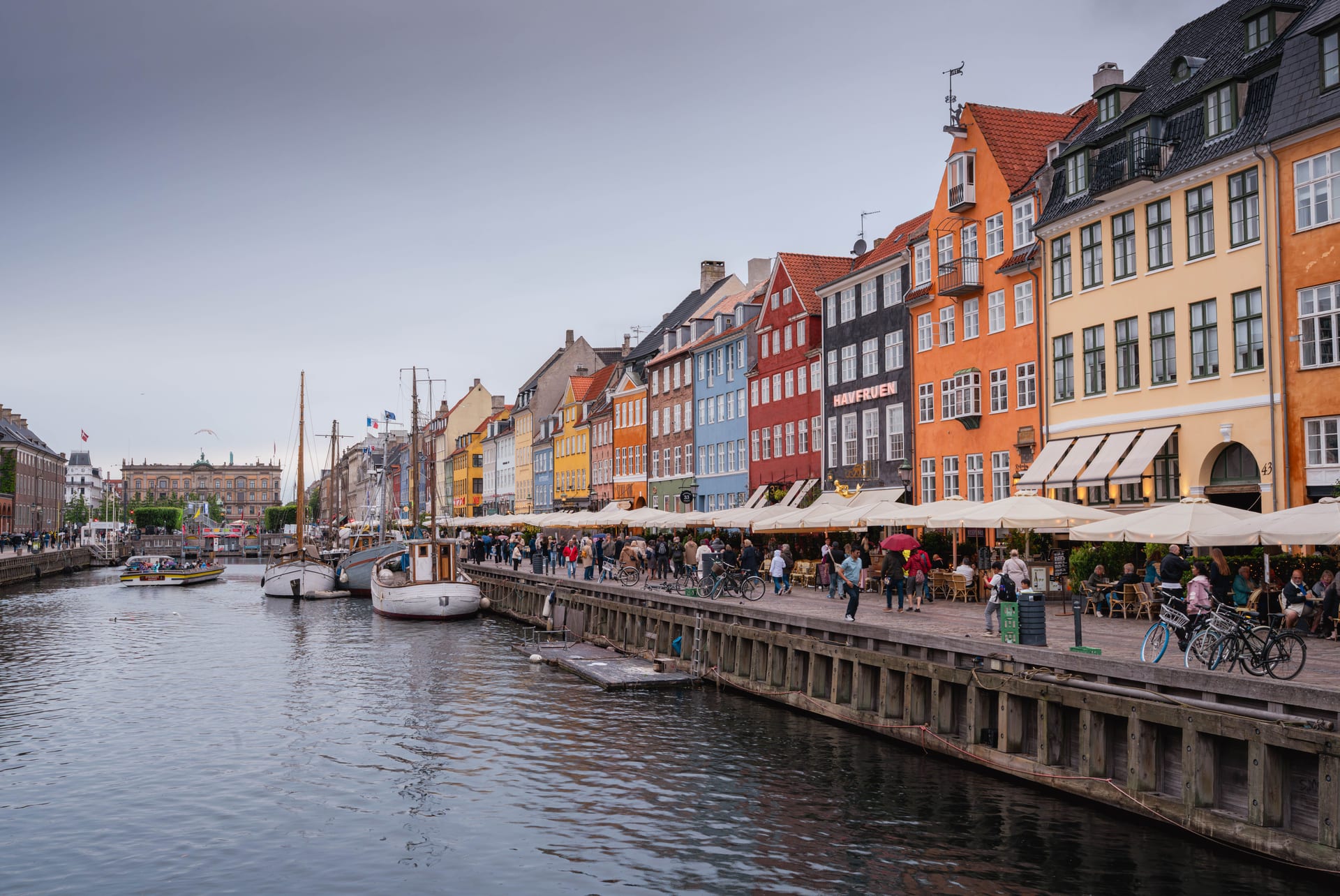
Cool summers and a strong professional base define Copenhagen, where typical local employee pay is relatively high. Bright days are limited and winter darkness is pronounced.
Some people want real winters. These cities have snow, dark afternoons and cold mornings, plus the transport, public life and indoor culture that make the season something to enjoy.
At no extra cost to you, we may earn a commission when you buy through affiliate links on this page.

Cool summers and a strong professional base define Copenhagen, where typical local employee pay is relatively high. Bright days are limited and winter darkness is pronounced.

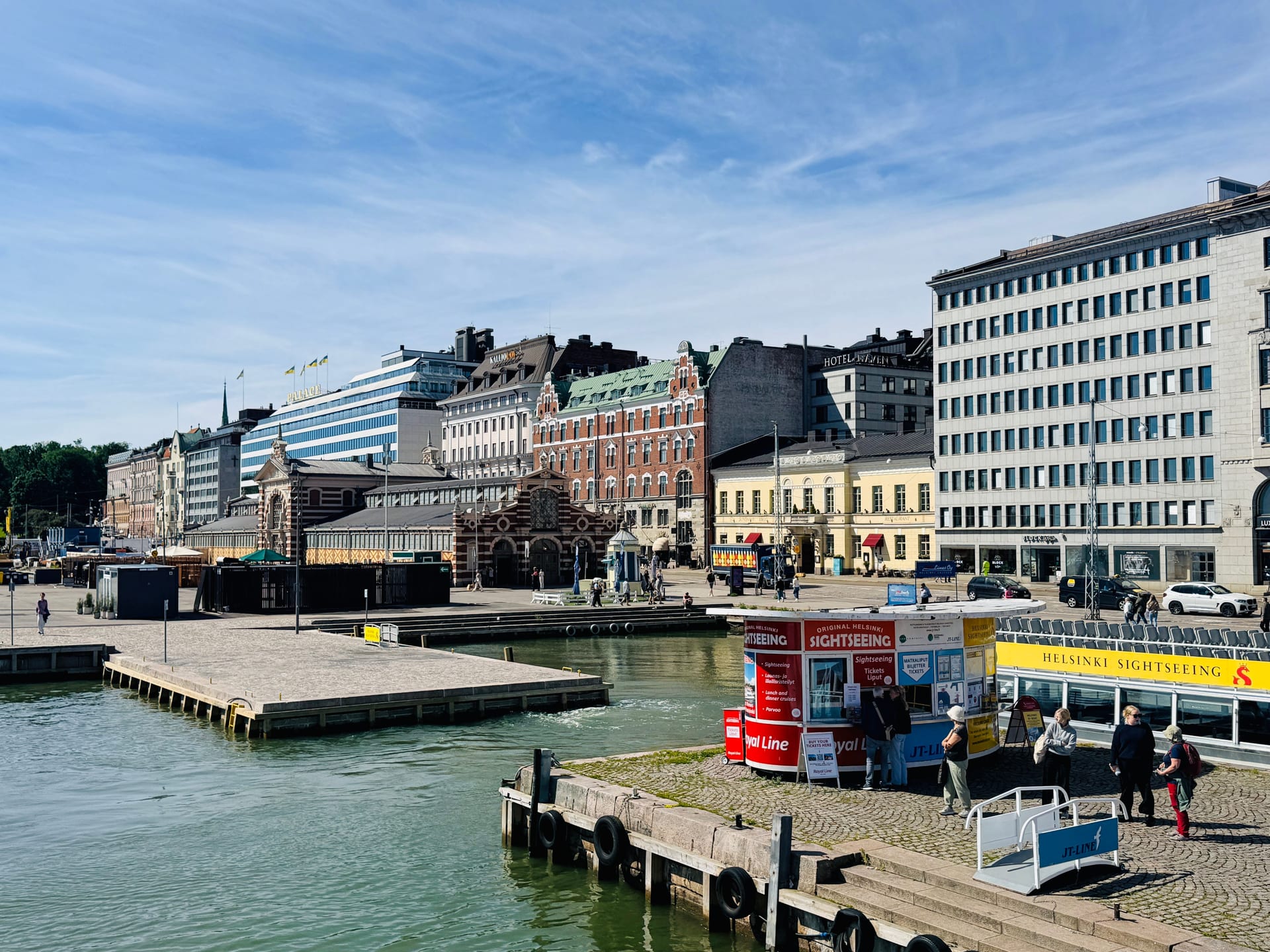
A calm, orderly capital on the Baltic where things simply work and daily life feels low-friction. Like its Nordic neighbours Stockholm and Oslo, Helsinki trades buzz for trust, clean air, and easy access to forest and sea.

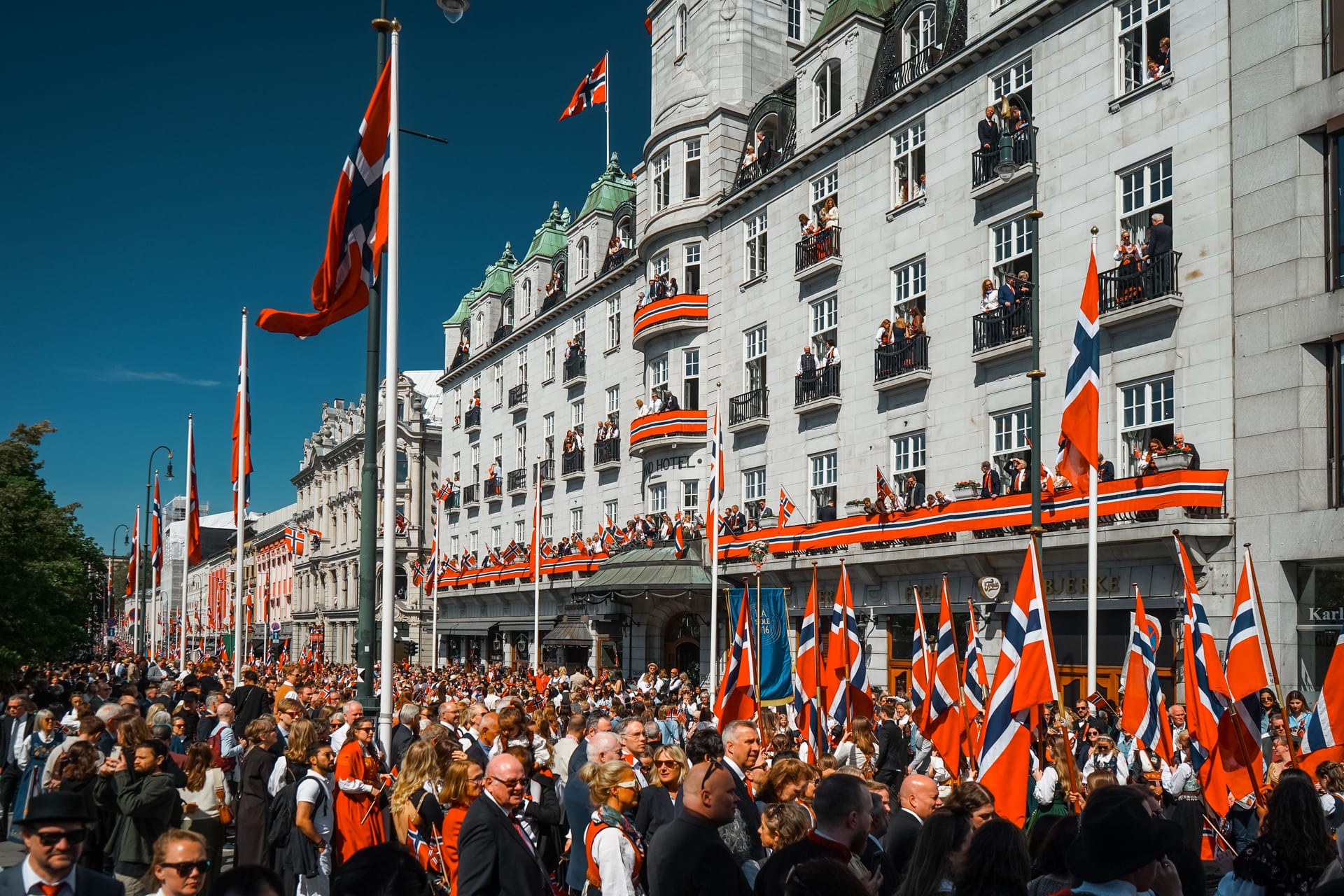
Oslo is Norway's compact, sea-and-forest capital, where a short metro ride reaches either the fjord or the treeline. Life here runs calmer than in Stockholm, with the same Nordic price tags but a smaller, quieter centre.

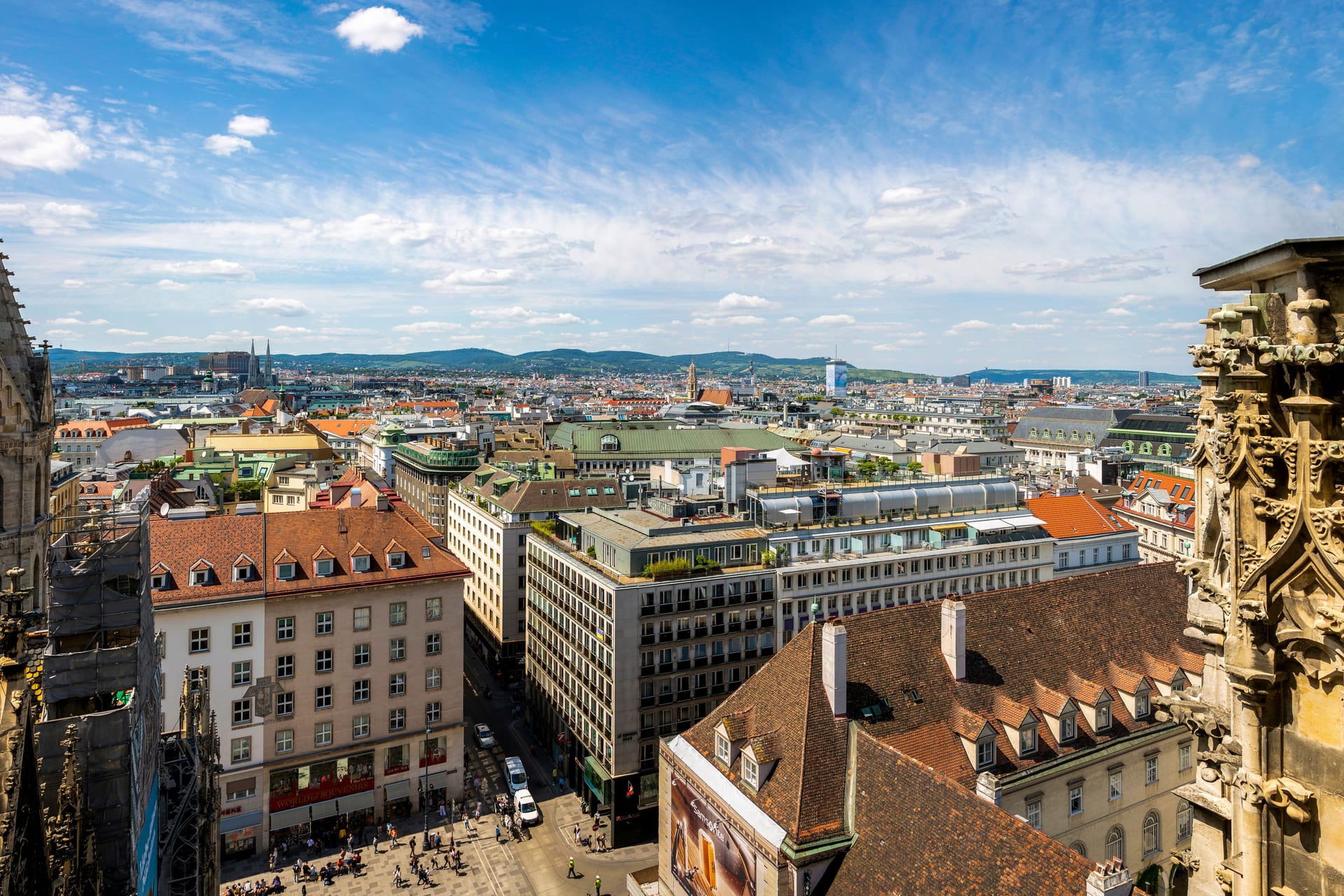
Austria's capital runs on order, quiet, and a deep cultural inheritance. Life here is calmer and more buttoned-up than Berlin, the city most newcomers measure it against, with rents that come in lower and public services that simply work.

Denmark's second city, a compact university town on the Jutland coast that runs at a calmer pace than Copenhagen across the water. Life here is bikeable, safe, and quietly prosperous, with the polished Nordic basics in place and far less big-city noise.

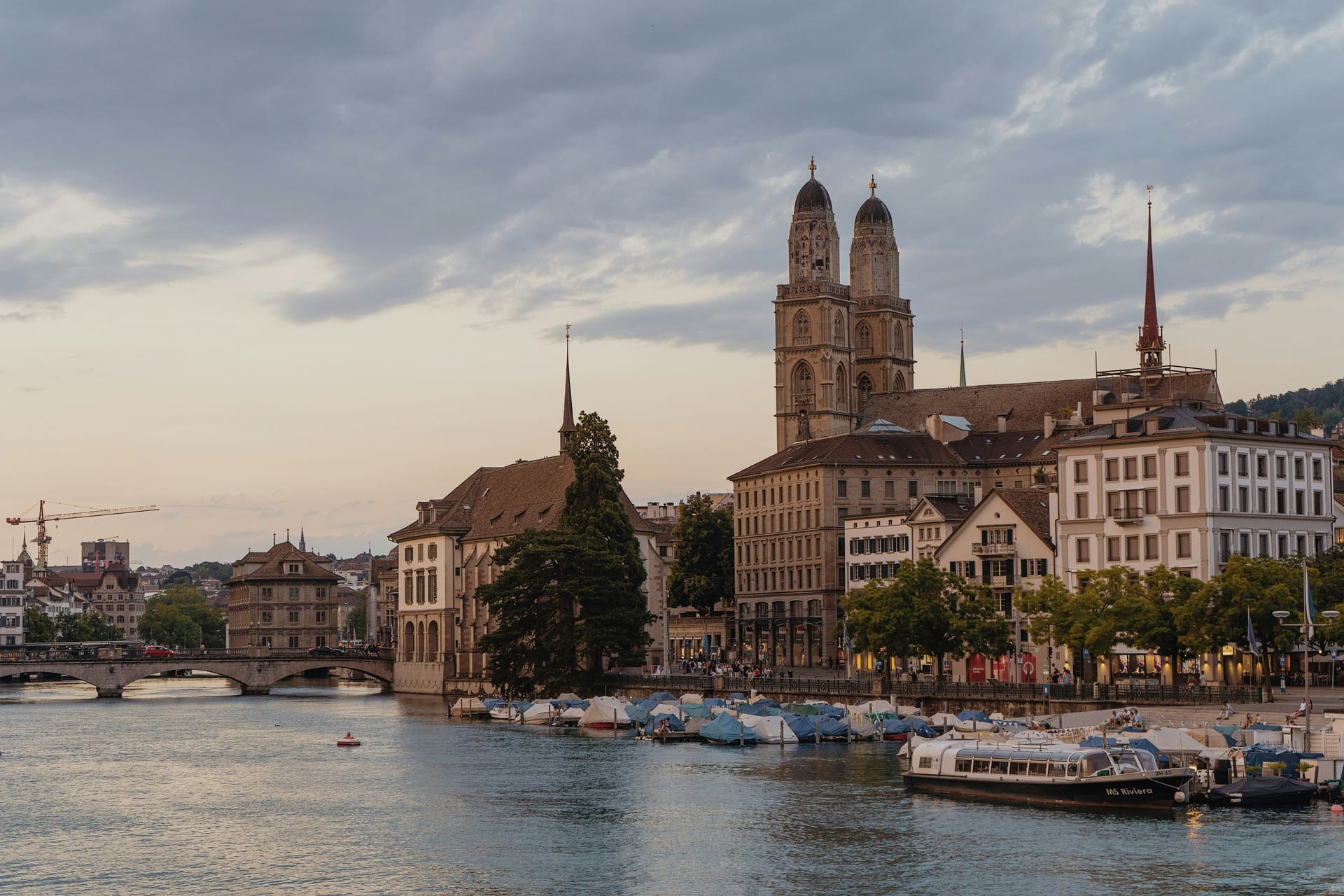
Zurich pairs a strong professional and startup base with a smaller-city feel. Typical local employee pay is high, but mild summers do not prevent a long grey season, with 160 bright days and 148 rainy-grey days each year.

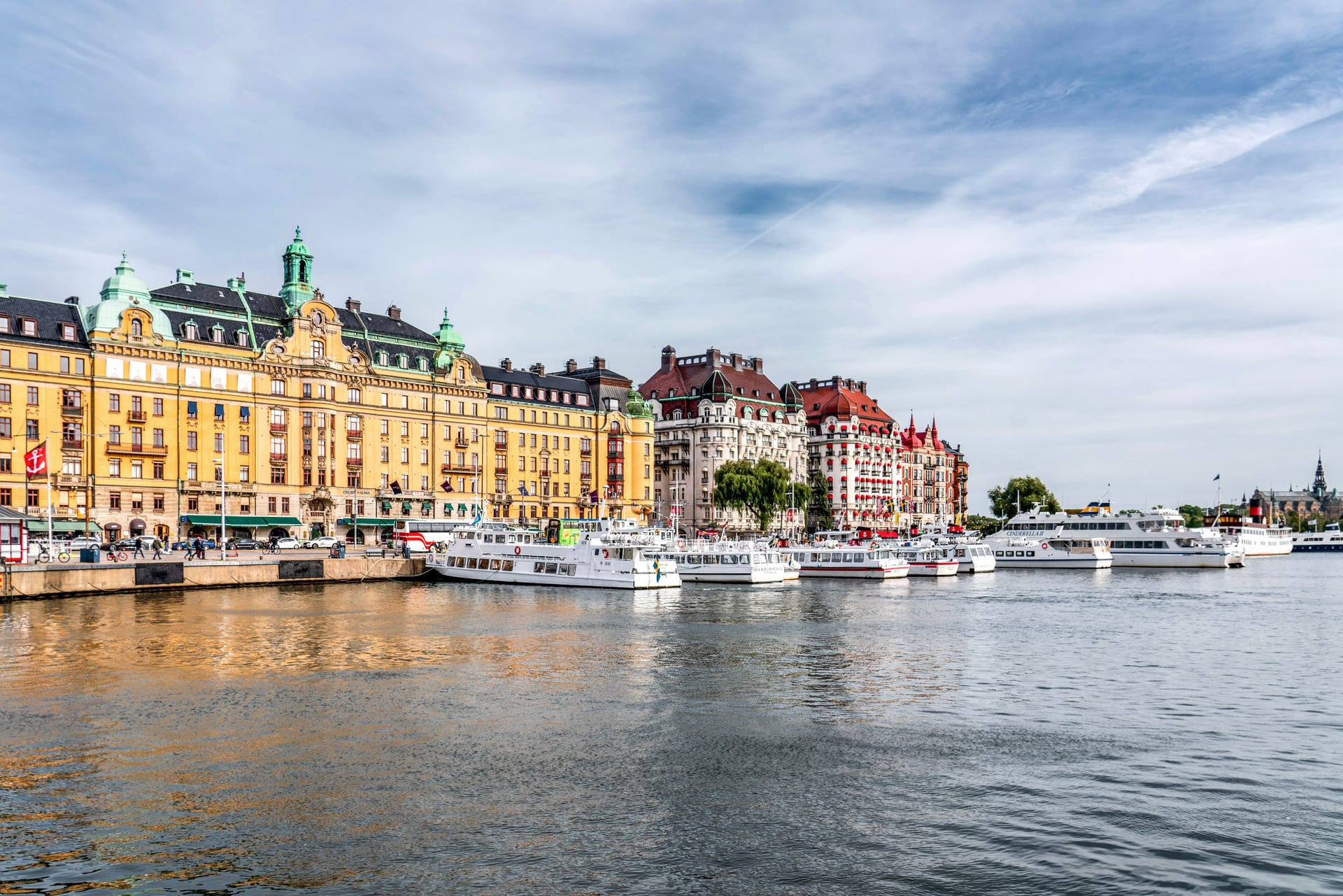
Sweden's capital is built across a string of islands where the city meets open water at almost every turn. Life here runs orderly, design-conscious and outdoor-minded, with the same high standards and high prices as Oslo or Copenhagen.

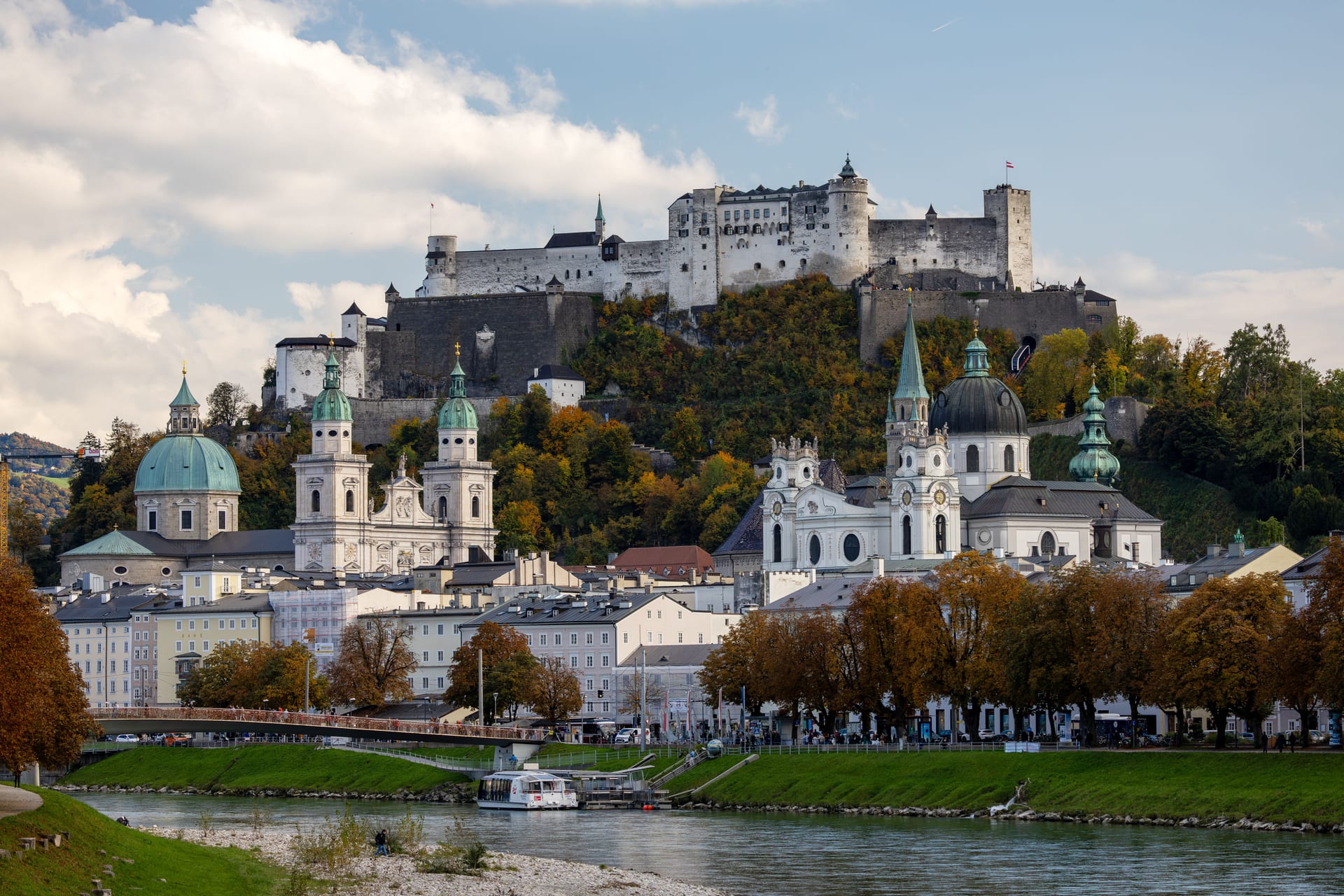
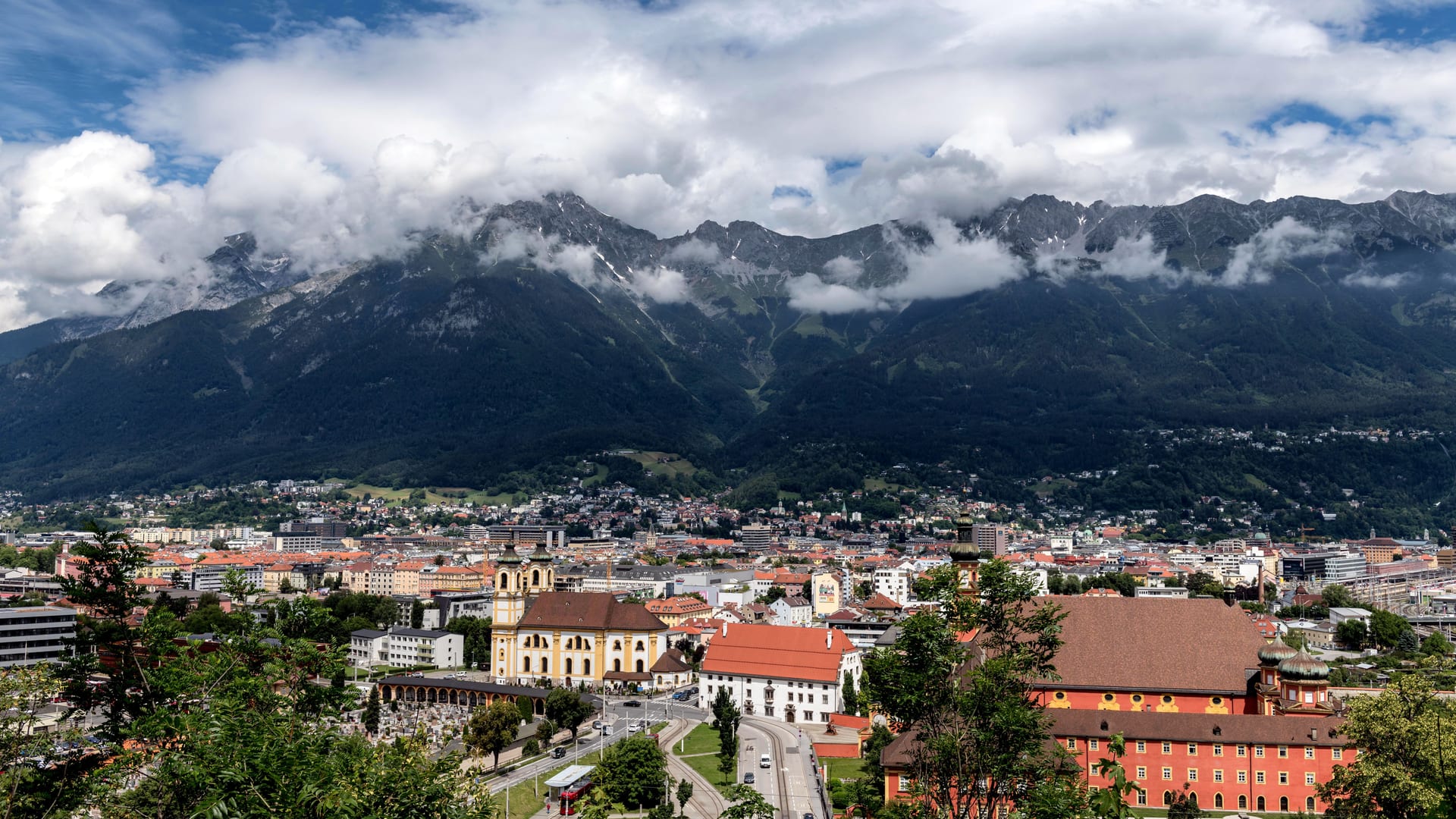
A small, postcard-pretty Austrian city wedged against the Alps, where baroque streets give way to mountains within minutes. Life here runs slow and orderly, closer in feel to a large town than to Vienna.

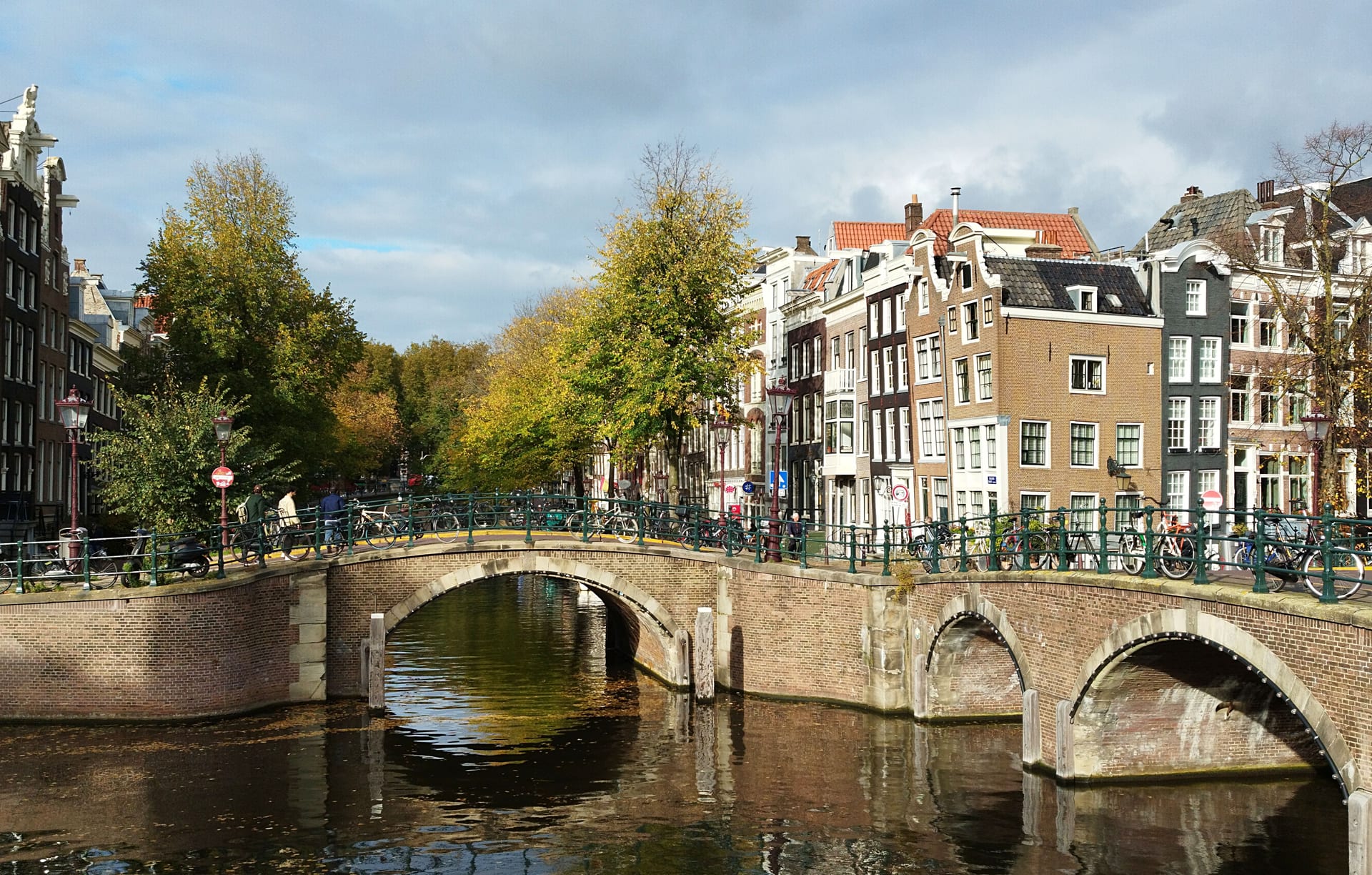
Amsterdam is a compact, walkable canal city where the bike is the default way to move and English carries through daily life. It runs costlier and more international than most Dutch cities, with Rotterdam and Utrecht offering a calmer, cheaper alternative.

A small Alpine city in western Austria where the mountains start at the edge of town. Life here runs at a calmer pace than Vienna or Salzburg, with the outdoors built into daily routine.

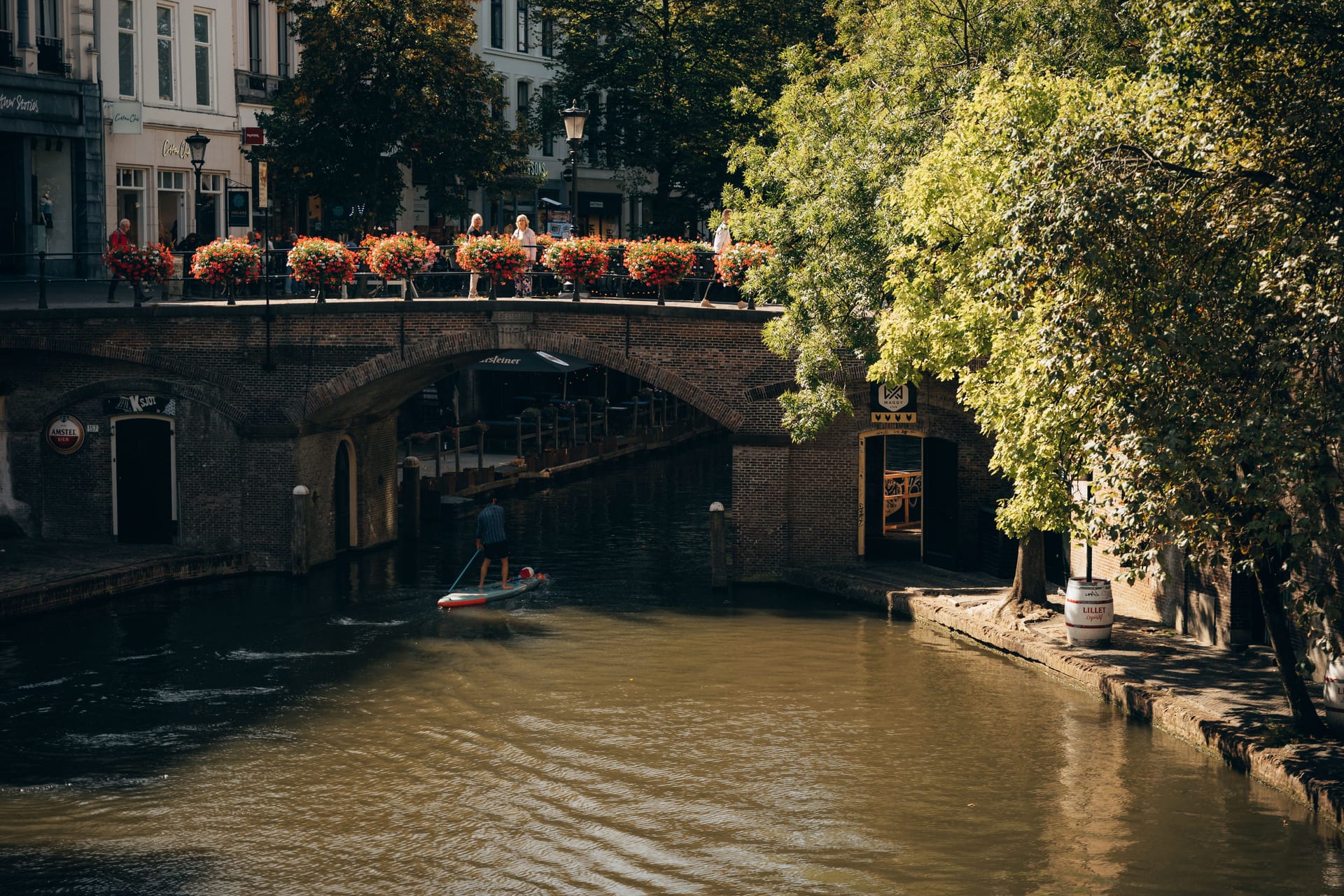
Utrecht is a compact Dutch city with a cool, damp climate and a strong, English-friendly job market. Bright days are limited and winters are dark, but summers stay mild and severe weather is rare.

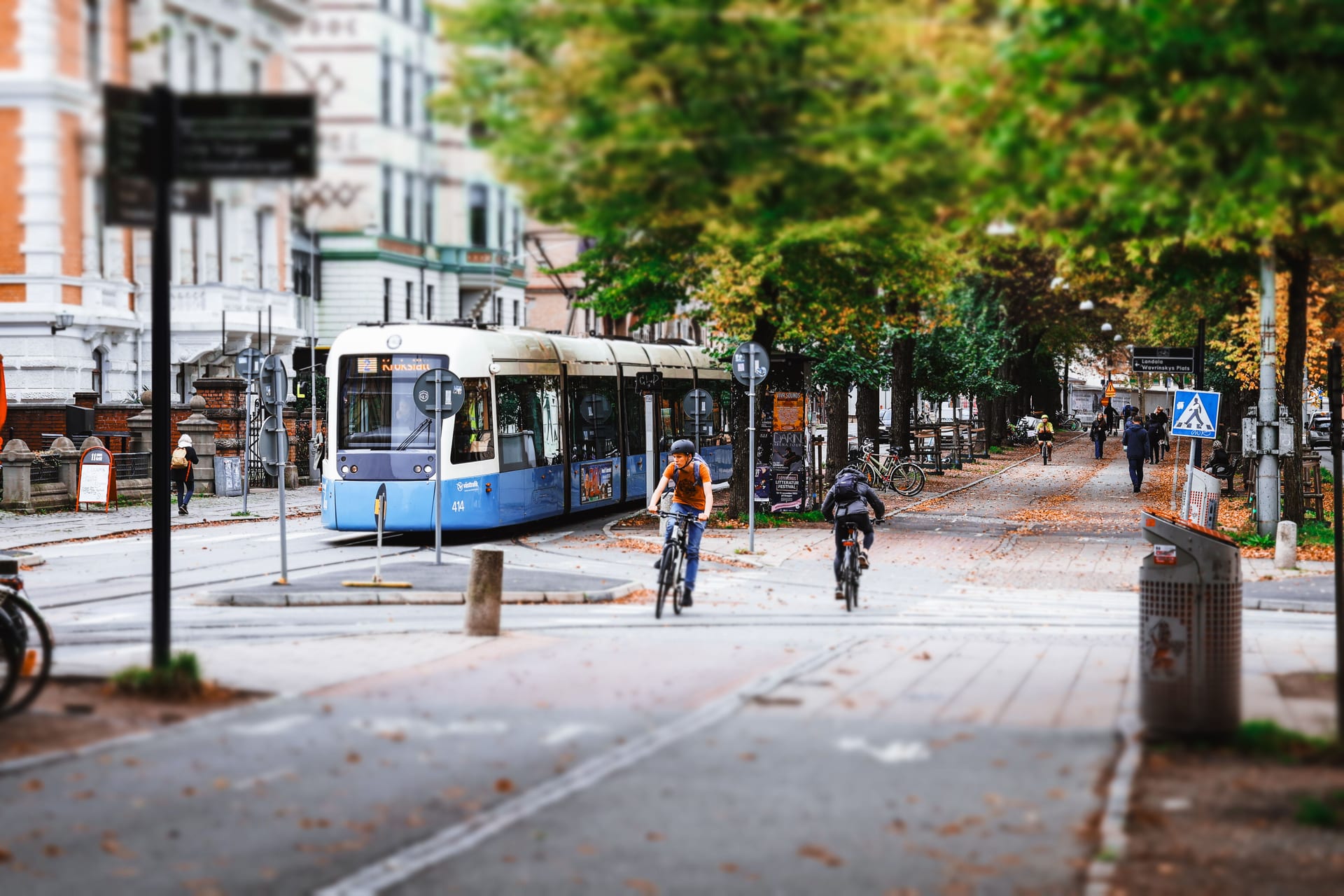
Sweden's second city is a working harbour city with a calmer scale than Stockholm, and the coast is close by. Typical local pay sits above the comparison-set middle, but the long dark season and 128 rainy-grey days give the weather real weight.

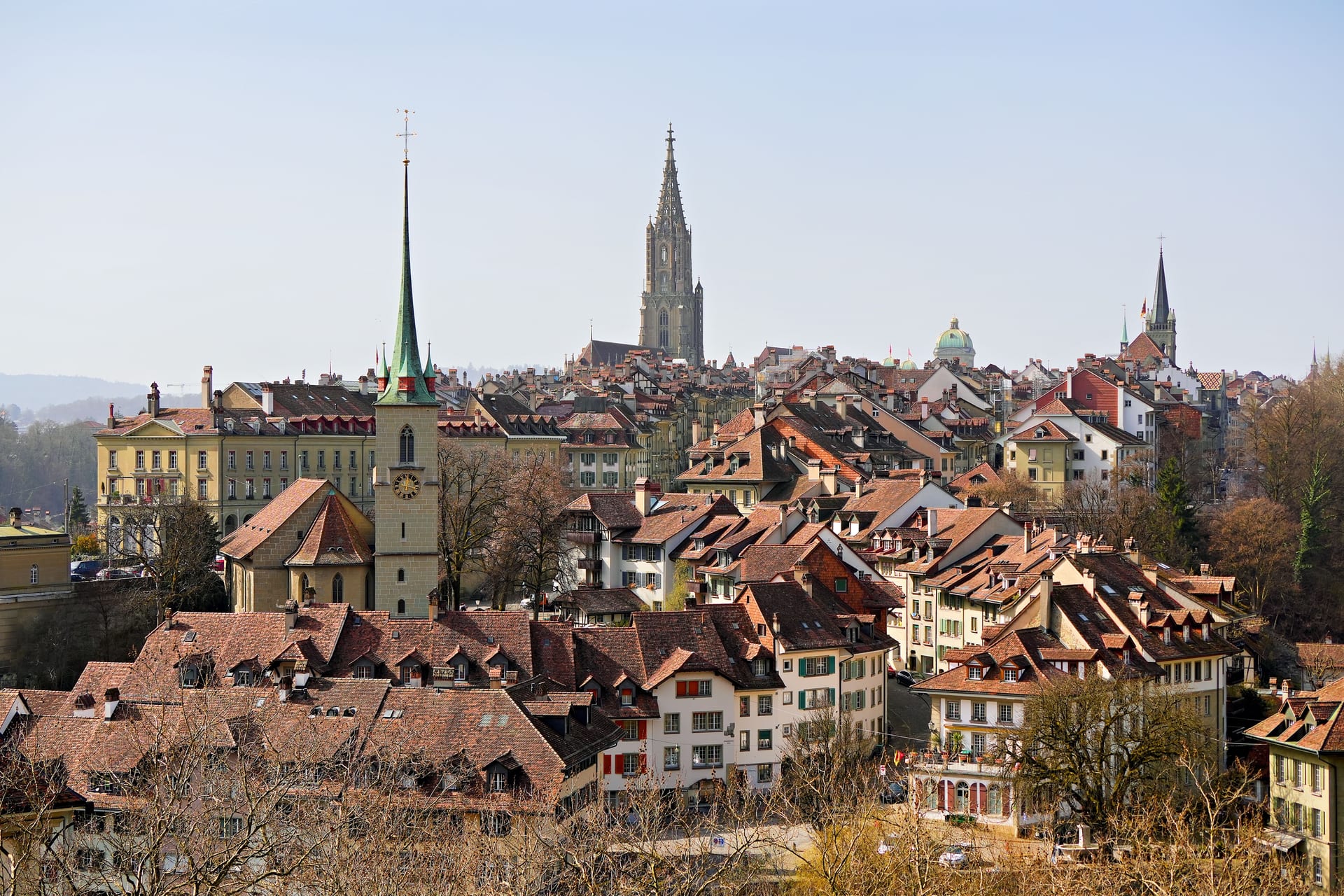
Bern is a small, calm Swiss city with an easy-to-navigate urban footprint and little need for a car. Its climate is cool, grey, and damp, though air quality is good and severe weather is rare.

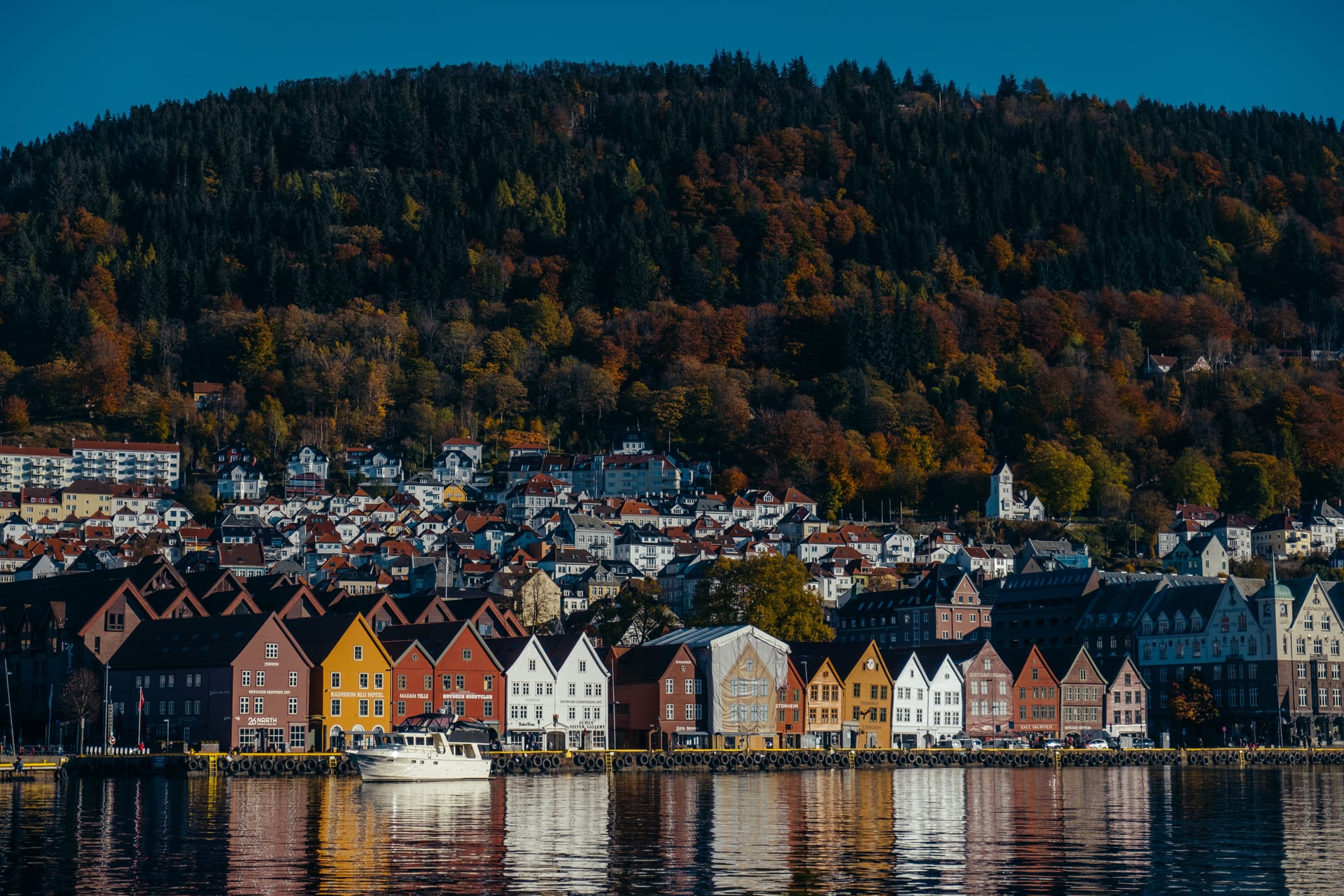
Norway's second city is a compact fjord-side base for outdoor life, with a calm pace and a climate shaped by cool summers and persistent rain. Typical local pay is high by the comparison-set standards, but only 116 bright days and a very dark winter give the weather real weight.

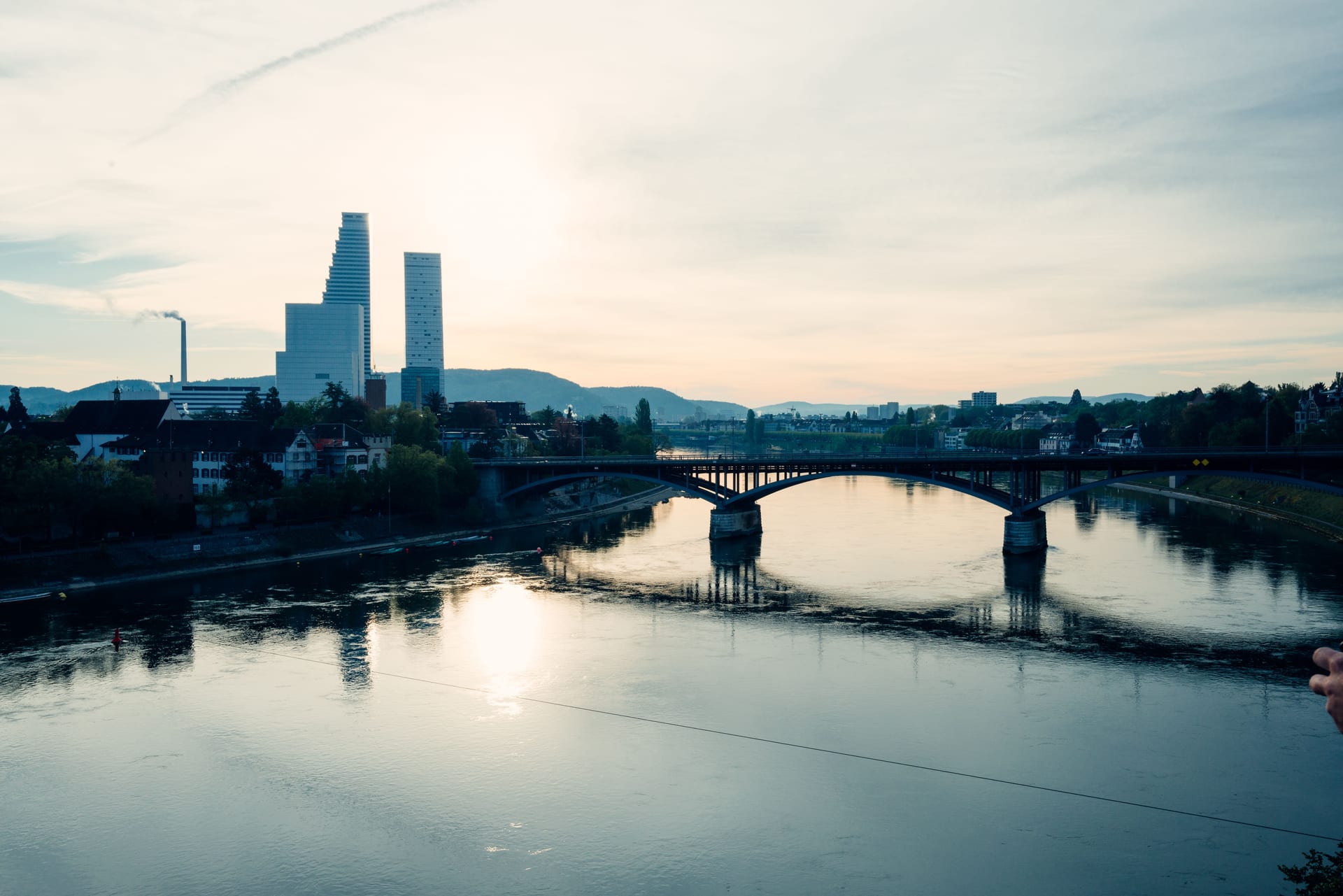
Basel sits where Switzerland, France, and Germany meet on the Rhine, a compact and orderly city that runs on pharma money and quiet competence. Smaller and slower than Zürich, with a deeper art and museum tradition, it offers a calm, well-run life at full Swiss prices.

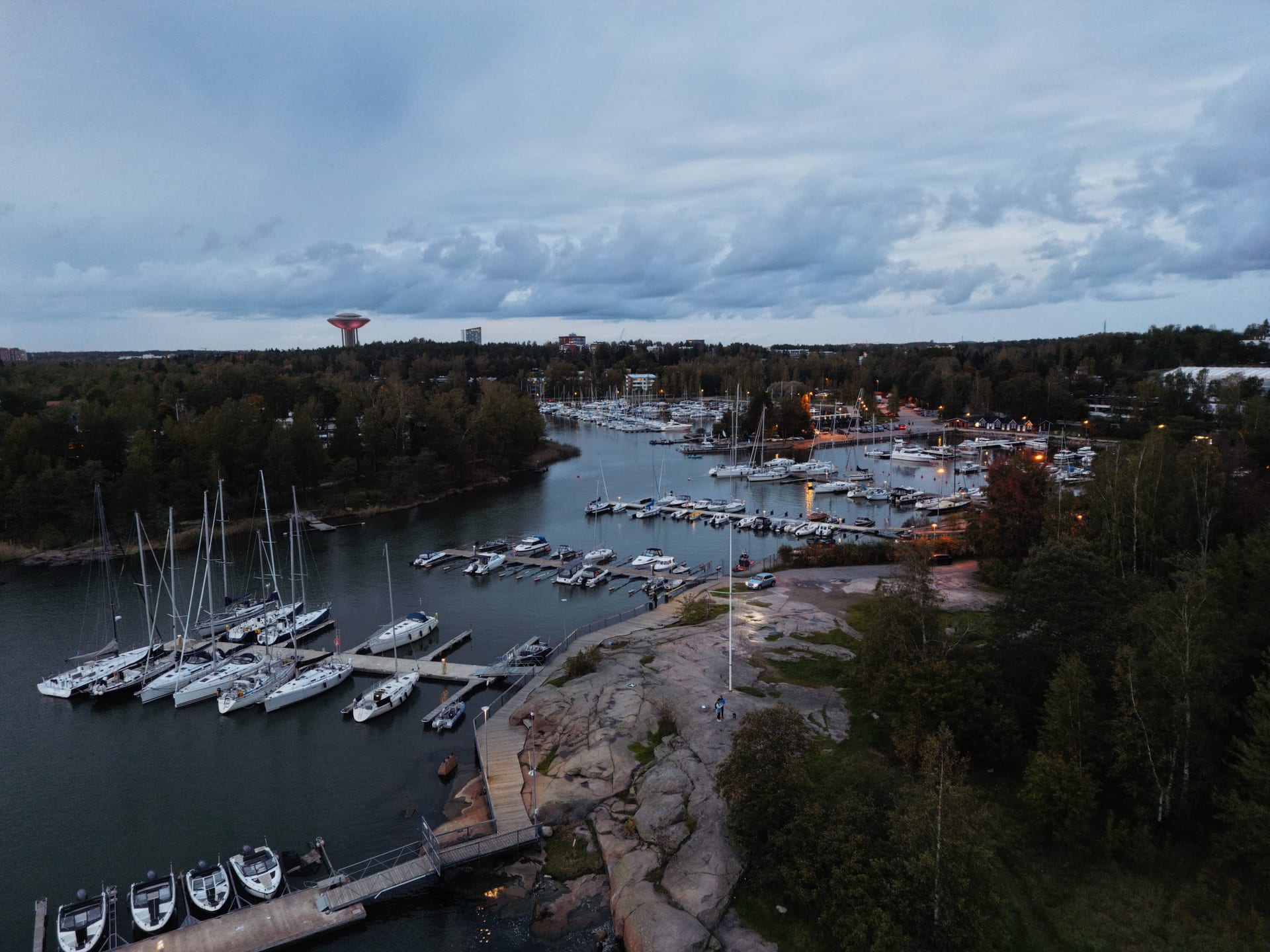
Espoo is the calm, green, tech-heavy half of the Helsinki capital region, more spread-out suburb than dense city. Where Helsinki has the bars and the buzz, Espoo offers forest at the edge of the parking lot, very low crime, and a quiet, ordered rhythm.

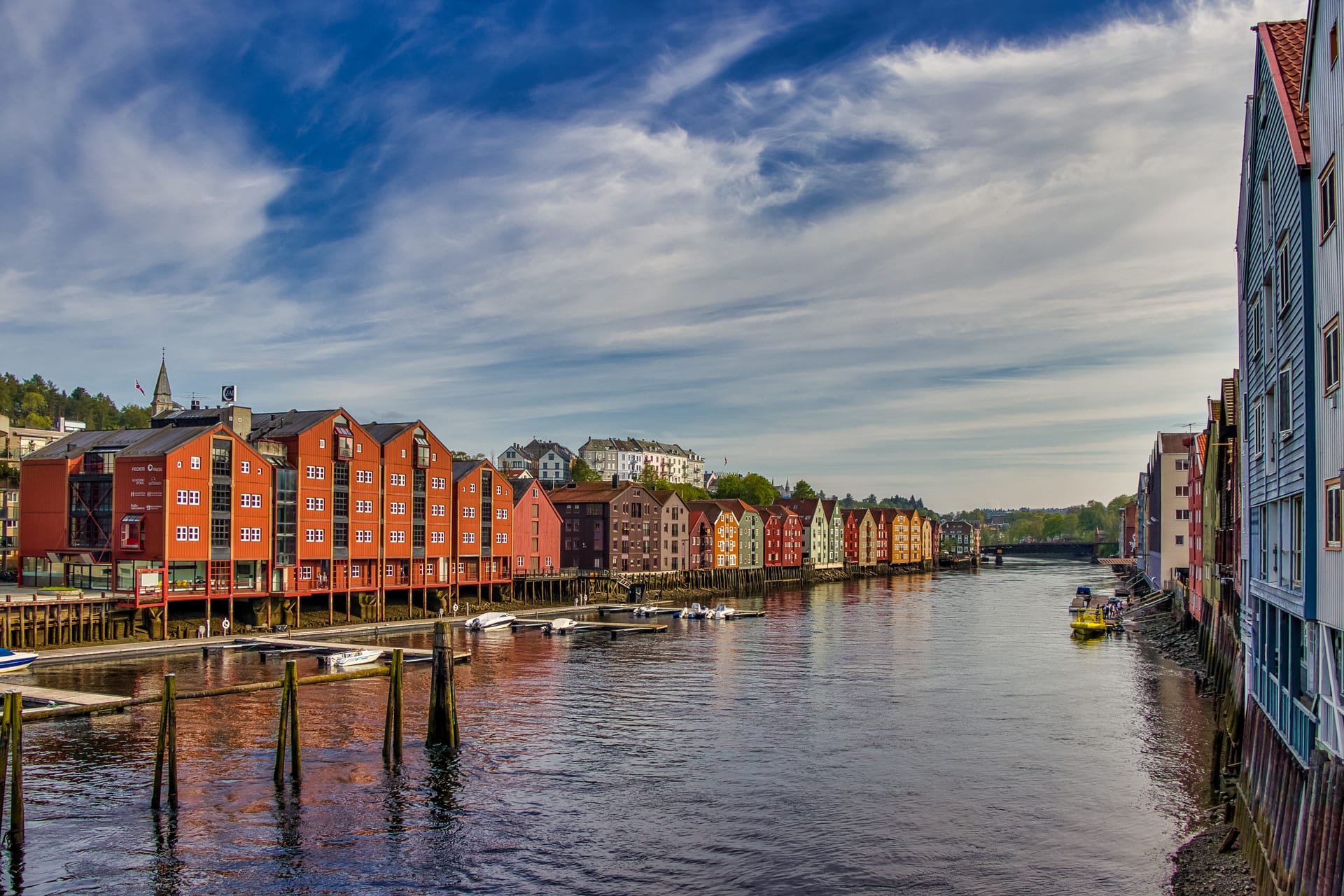
A compact university city on a fjord in central Norway, Trondheim trades the scale of Oslo for an easy, low-key life close to forest and water. Days are clean, calm and orderly; winters run long and dark, and the pace stays slow even by Norwegian standards.

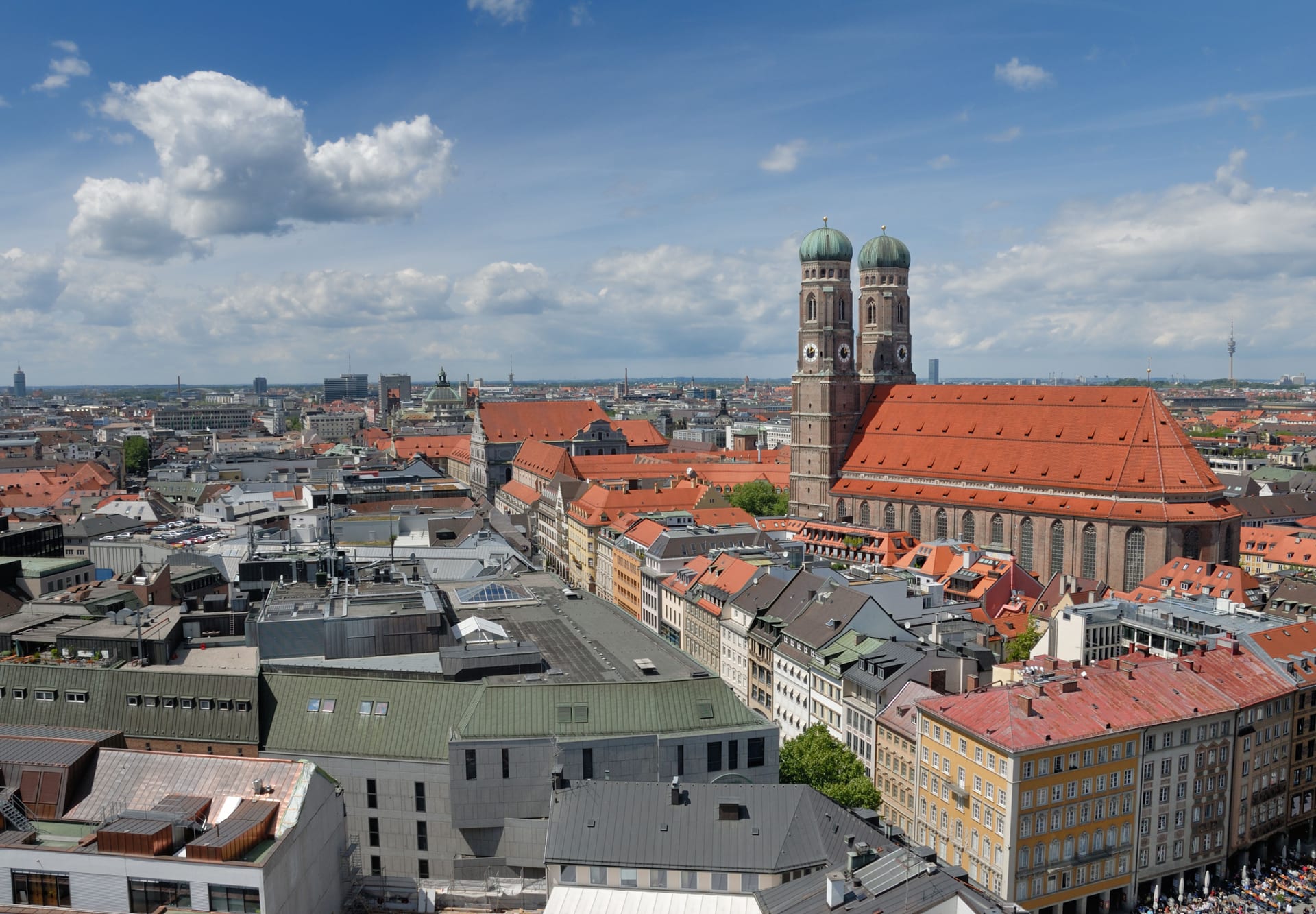
Munich is the prosperous, orderly counterweight to Berlin: where the capital trades on grit and cheap rent, Bavaria's capital runs on money, mountains, and a kind of polished calm. Life here is safe, green, and well-run, with the Alps an hour south.

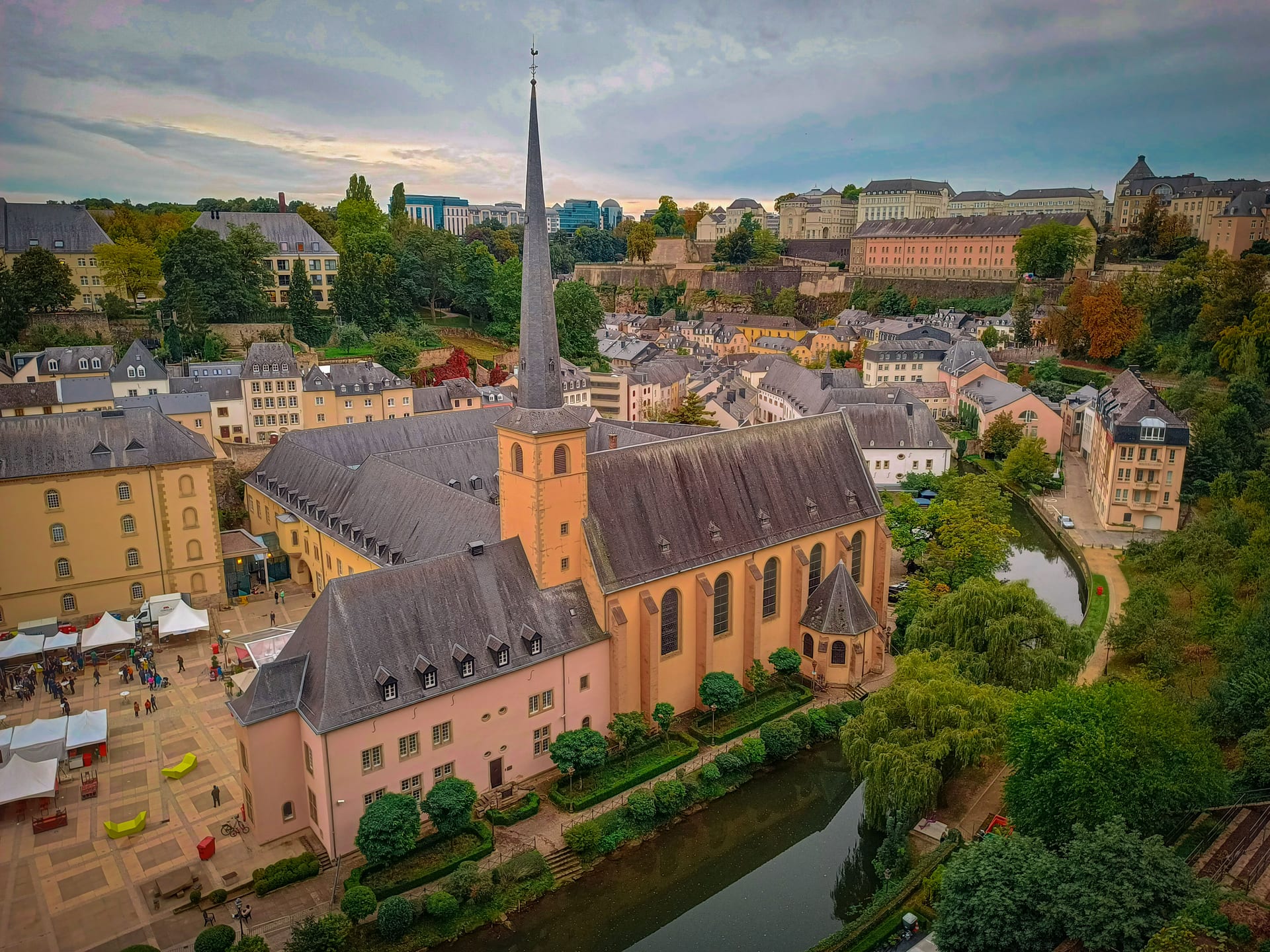
Luxembourg City is a small capital with an internationally oriented job market and comparatively strong local pay. The climate is cool, damp, and short on winter light, while mild summers, relatively clean air, and rare severe weather keep it manageable.

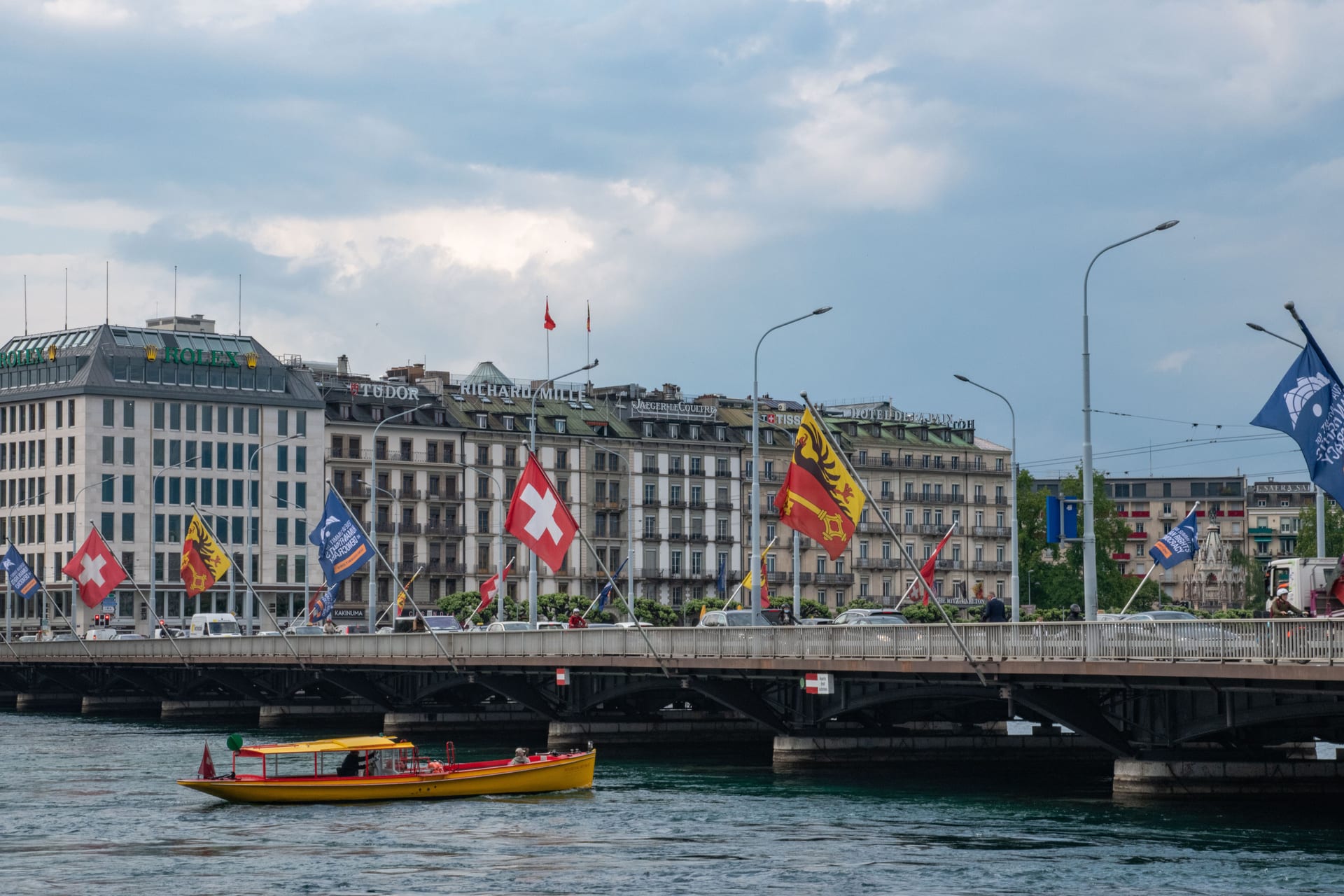
Geneva pairs an international professional base with a compact urban setting. Typical local employee pay is high, while mild summers, clean air, and rare muggy weather help offset 135 rainy-grey days each year, though the darker months remain noticeable.