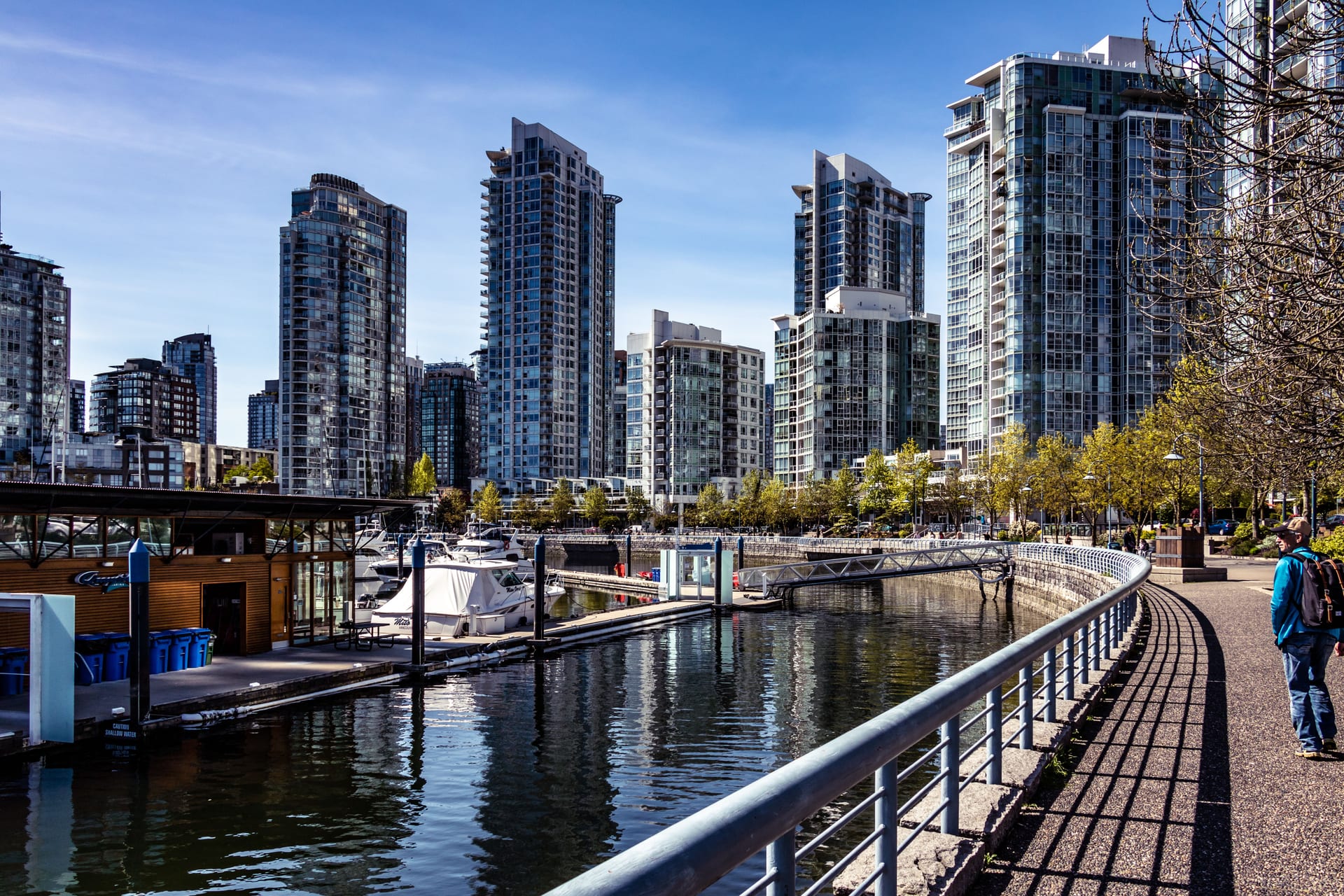
A coastal Canadian city wedged between the Pacific and the Coast Mountains, with nature access that few places on the continent can match. The trade-off is cost: housing eats into local incomes harder here than in Toronto or Montreal.
For some people, a good week includes a hike, a swim, a long ride or an easy trail after work. These cities put that kind of life close at hand, with nature that fits around the rest of the week.
At no extra cost to you, we may earn a commission when you buy through affiliate links on this page.

A coastal Canadian city wedged between the Pacific and the Coast Mountains, with nature access that few places on the continent can match. The trade-off is cost: housing eats into local incomes harder here than in Toronto or Montreal.

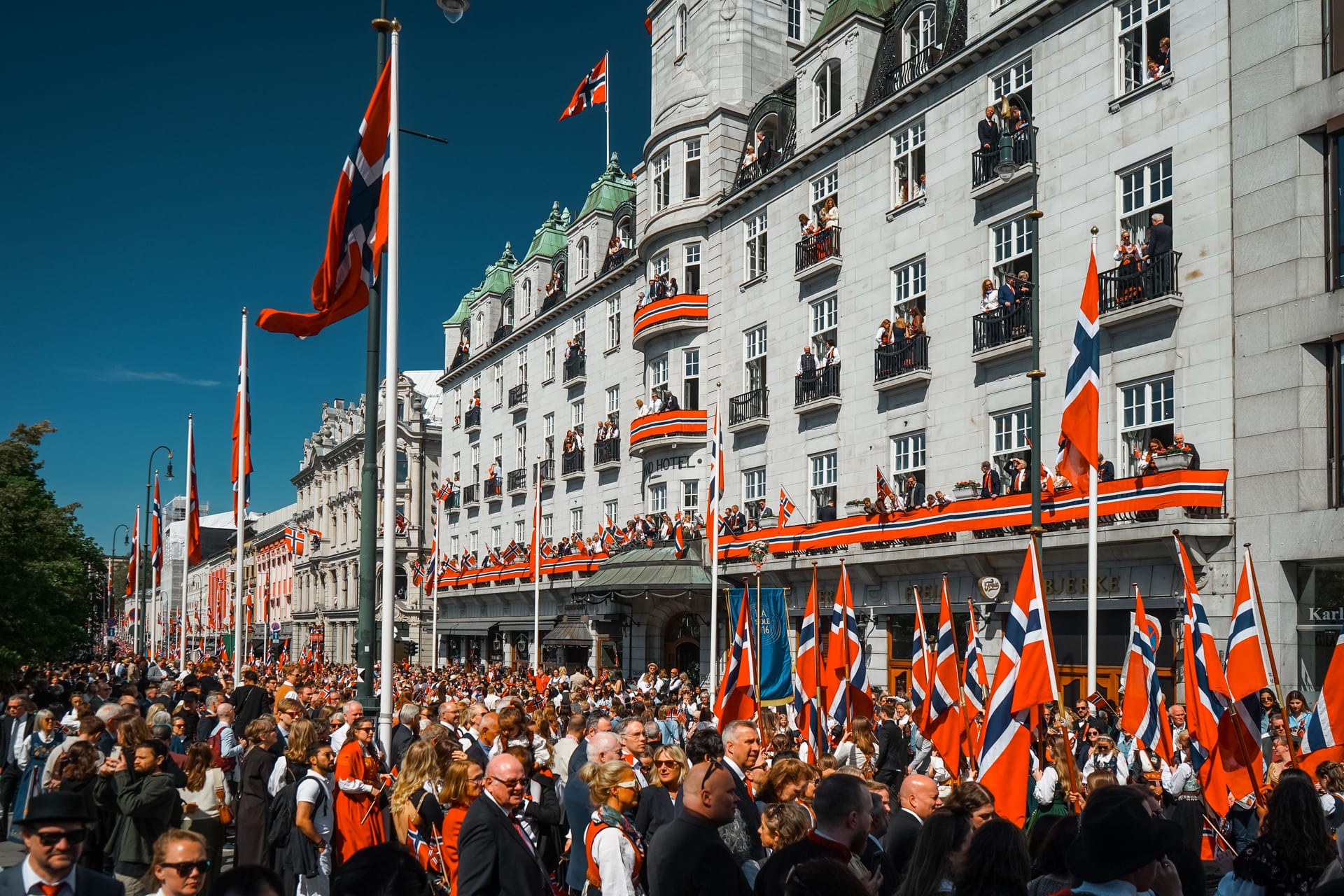
Oslo is Norway's compact, sea-and-forest capital, where a short metro ride reaches either the fjord or the treeline. Life here runs calmer than in Stockholm, with the same Nordic price tags but a smaller, quieter centre.

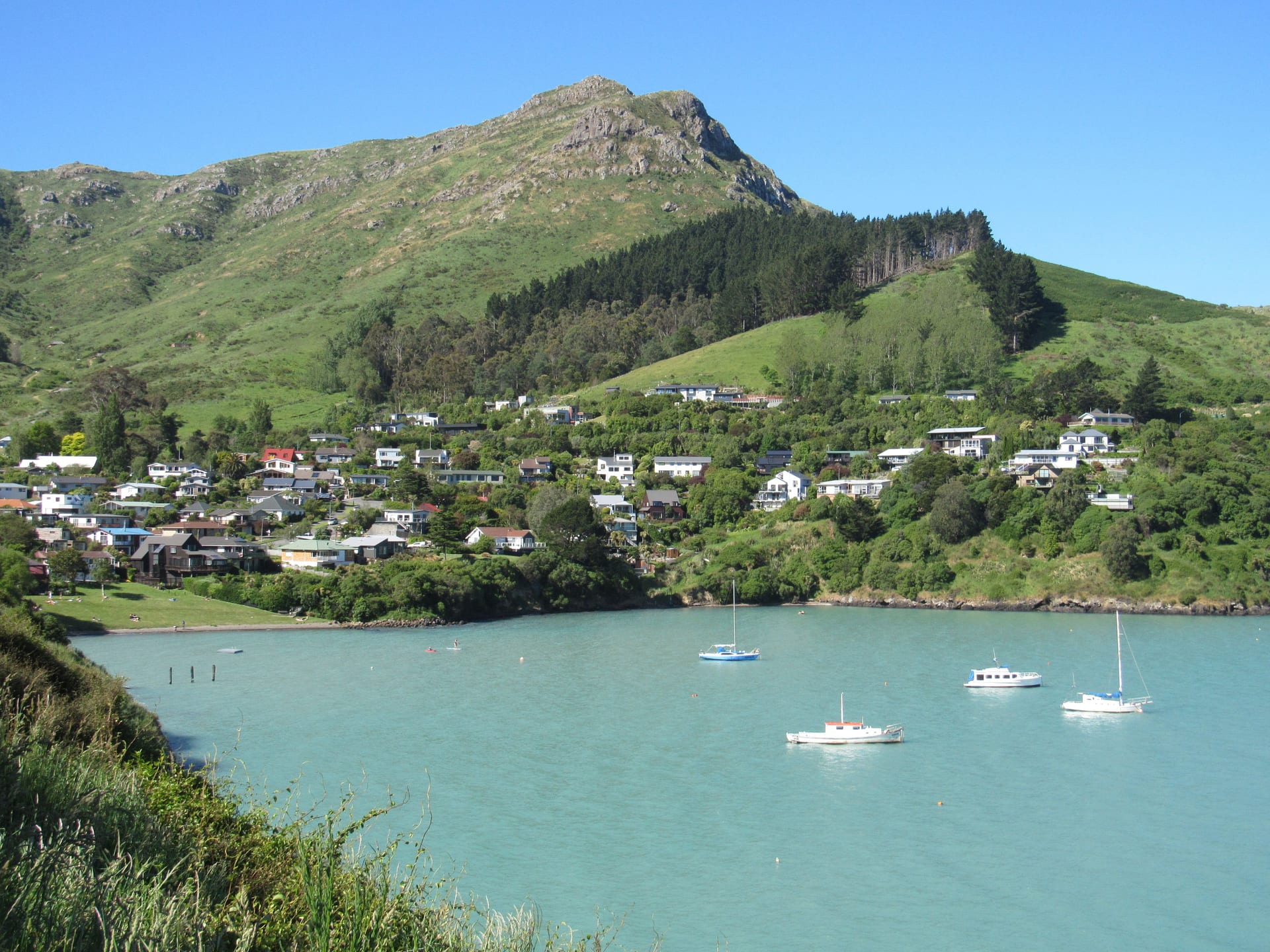
Christchurch is New Zealand's largest South Island city, rebuilt and reopened after its earthquakes into a flat, low-rise place where the Southern Alps and the Pacific are both within easy reach. Life here runs slower and cheaper than Auckland or Wellington, trading big-city density and job choice for space, quiet, and the outdoors.

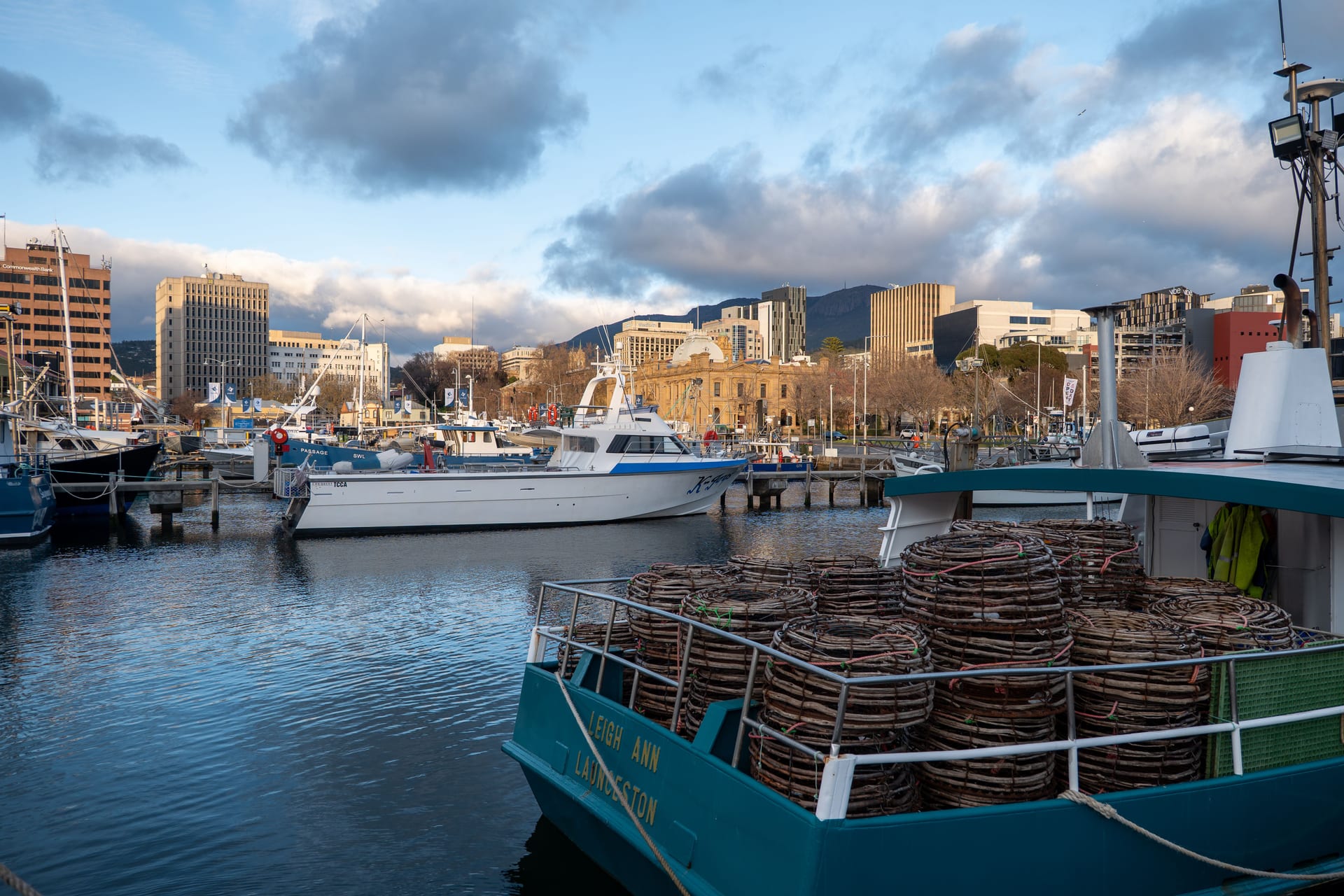
Tasmania's compact capital sits between a deep-water harbour and the slopes of kunanyi/Mount Wellington, and life moves at a slower pace than on the Australian mainland. It is the smallest and quietest of the state capitals, closer in feel to Wellington than to Sydney or Melbourne.

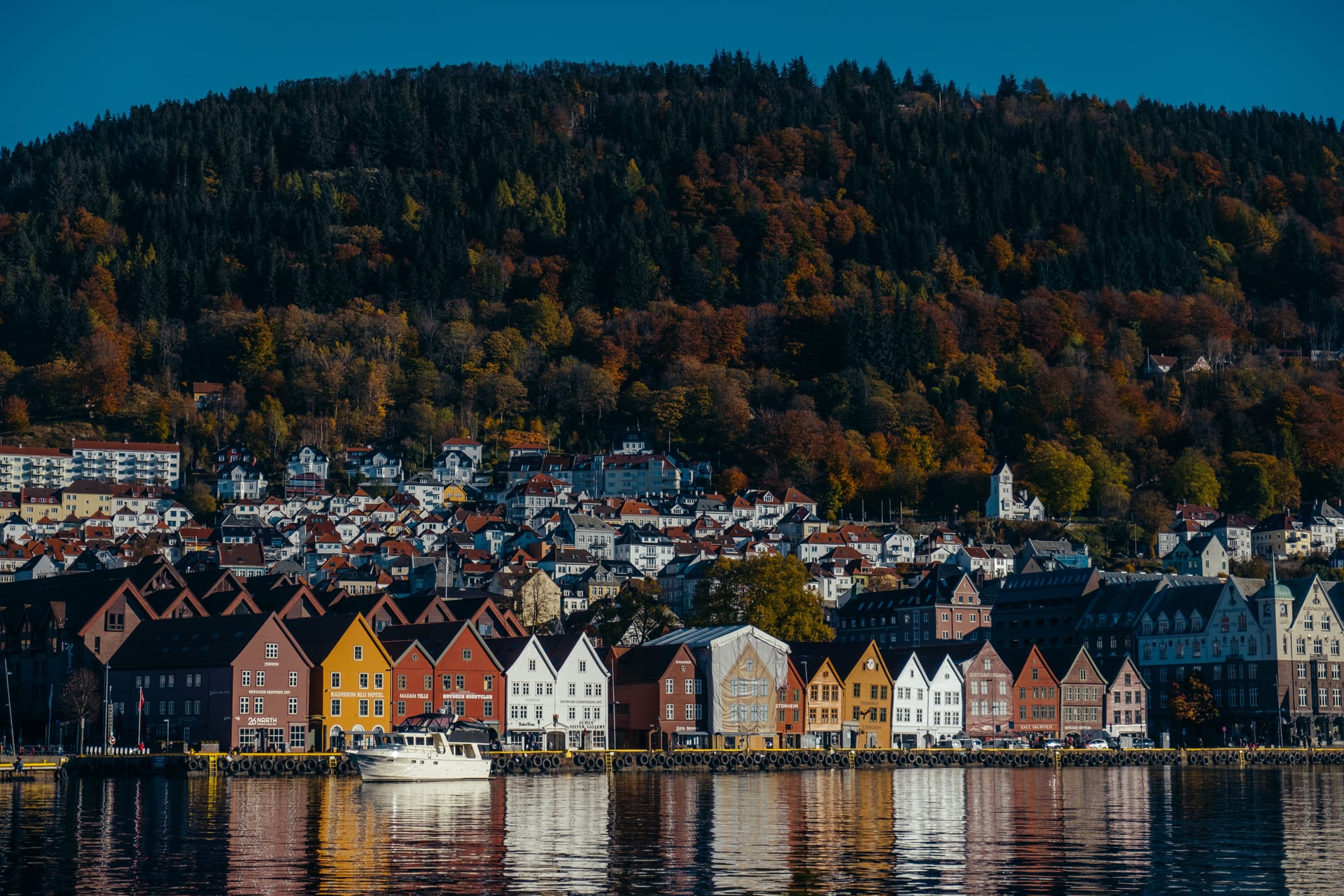
Norway's second city is a compact fjord-side base for outdoor life, with a calm pace and a climate shaped by cool summers and persistent rain. Typical local pay is high by the comparison-set standards, but only 116 bright days and a very dark winter give the weather real weight.

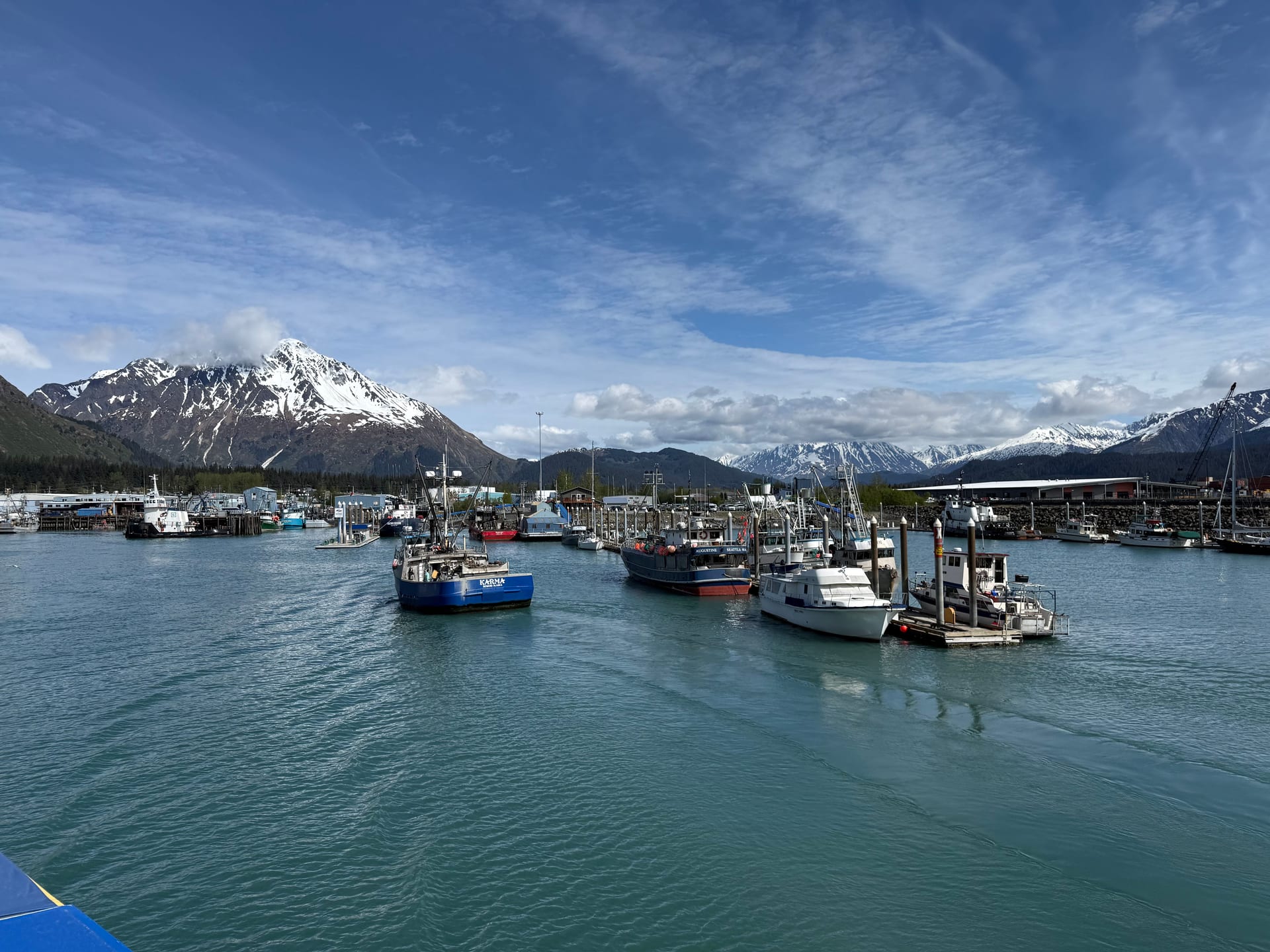
Anchorage is the largest city in Alaska, though it stays small and spread out by Lower 48 standards, closer in scale to a big town than to gateway Seattle down the coast. Life here runs on a car and orbits the wilderness at the city's edge.

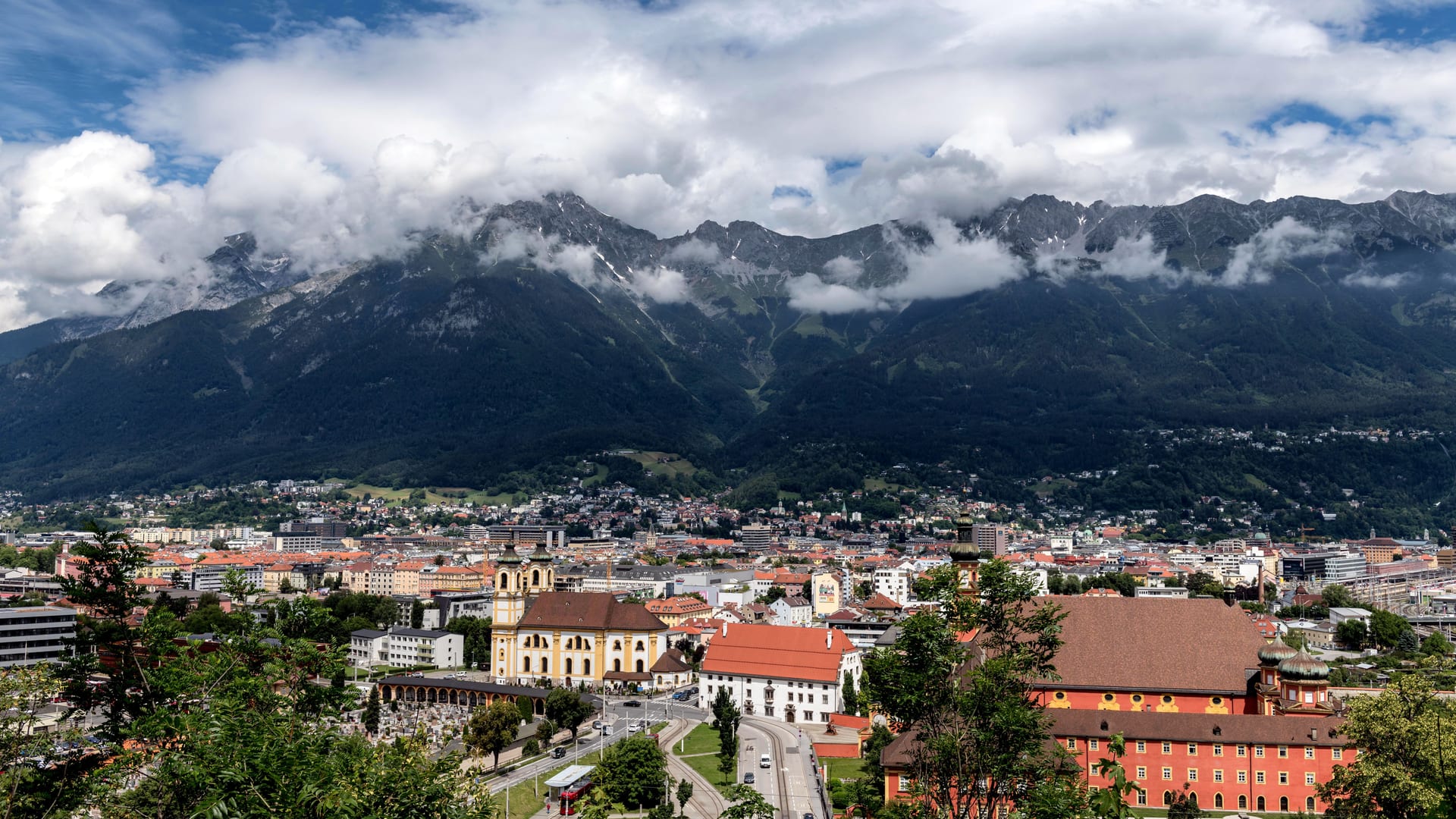
A small Alpine city in western Austria where the mountains start at the edge of town. Life here runs at a calmer pace than Vienna or Salzburg, with the outdoors built into daily routine.

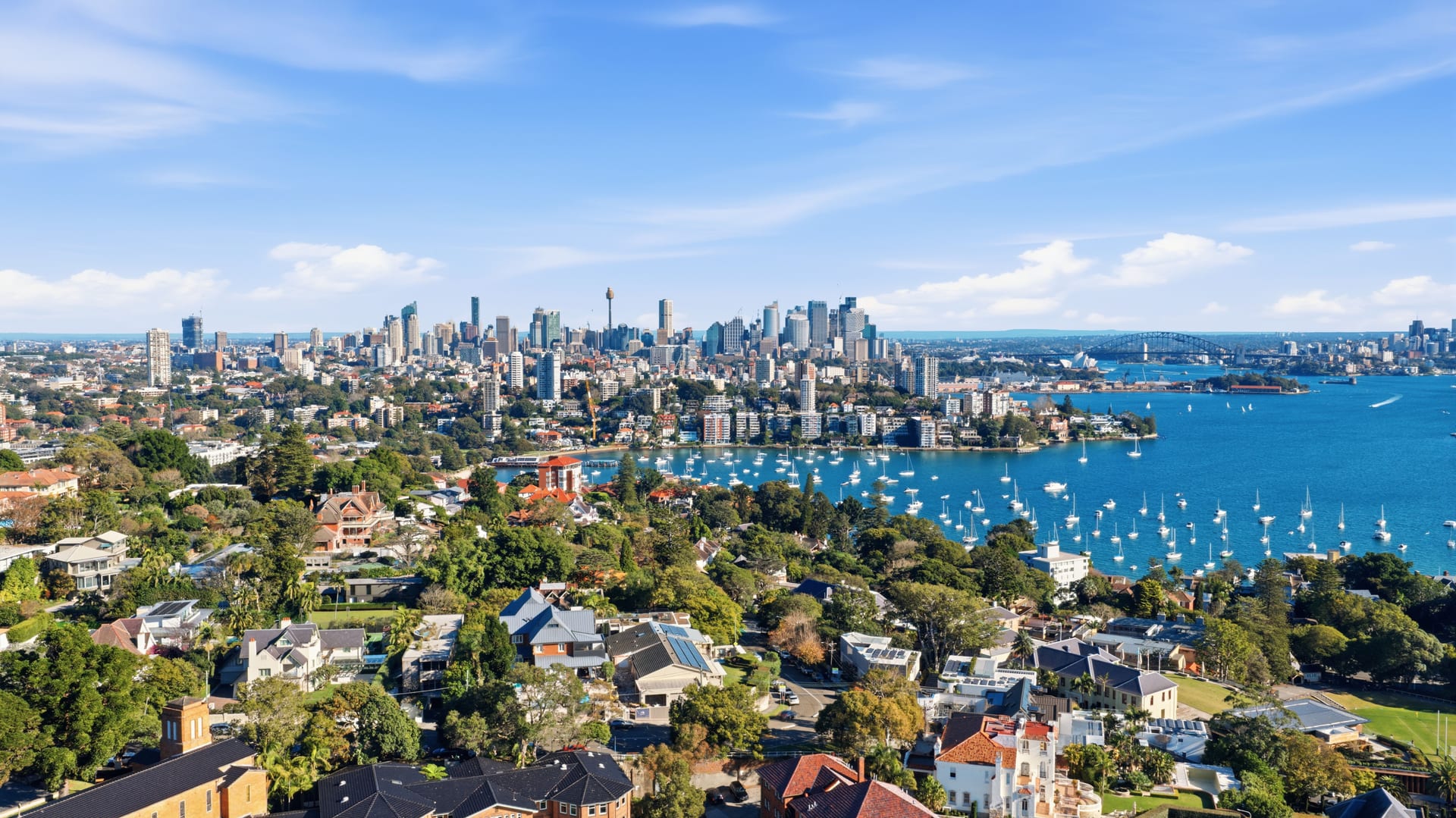
Sydney combines a deep English-language job market with warm seasons and strong winter comfort. Local pay is comparatively high, while summer humidity and wildfire exposure are the main climate trade-offs.

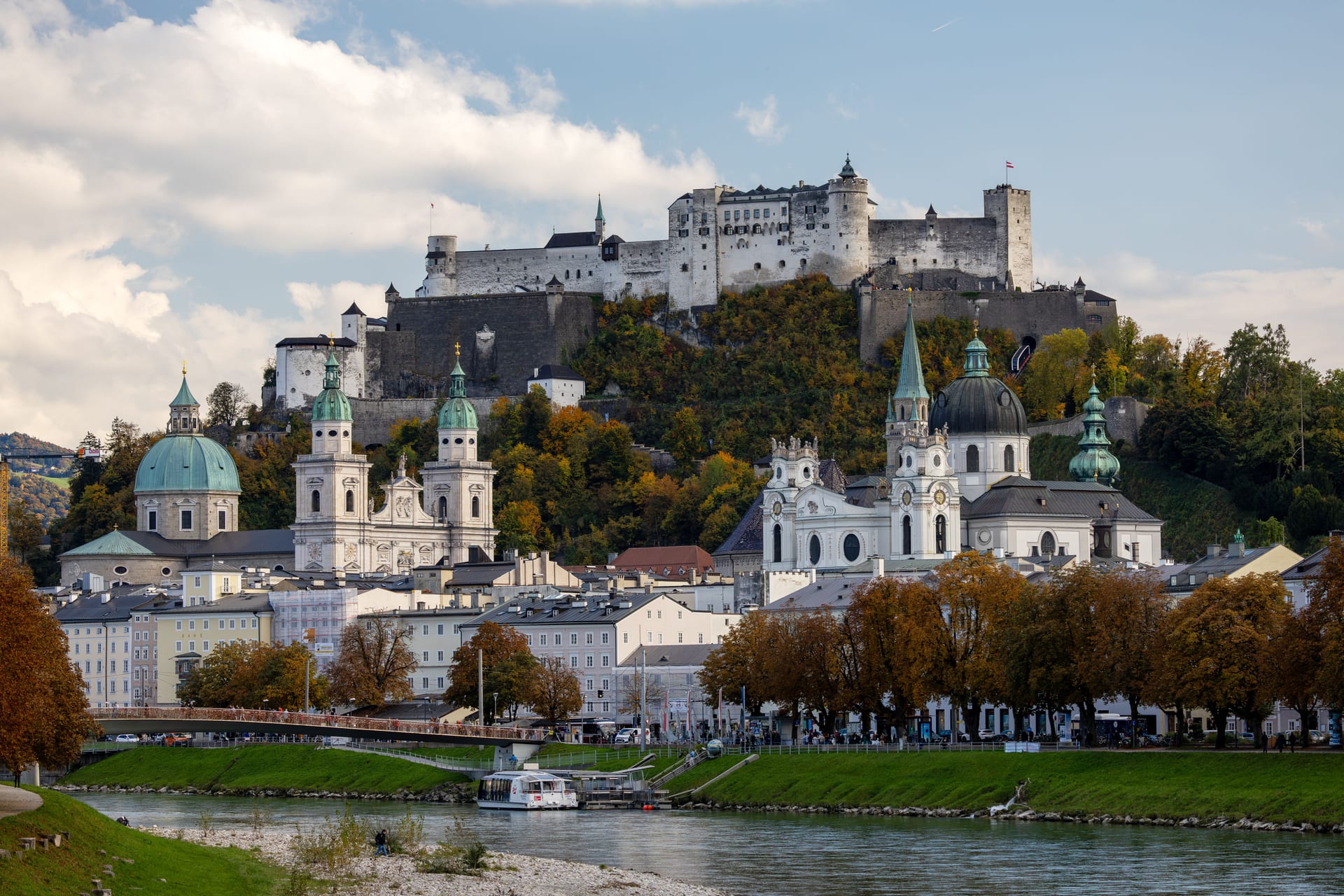
A small, postcard-pretty Austrian city wedged against the Alps, where baroque streets give way to mountains within minutes. Life here runs slow and orderly, closer in feel to a large town than to Vienna.

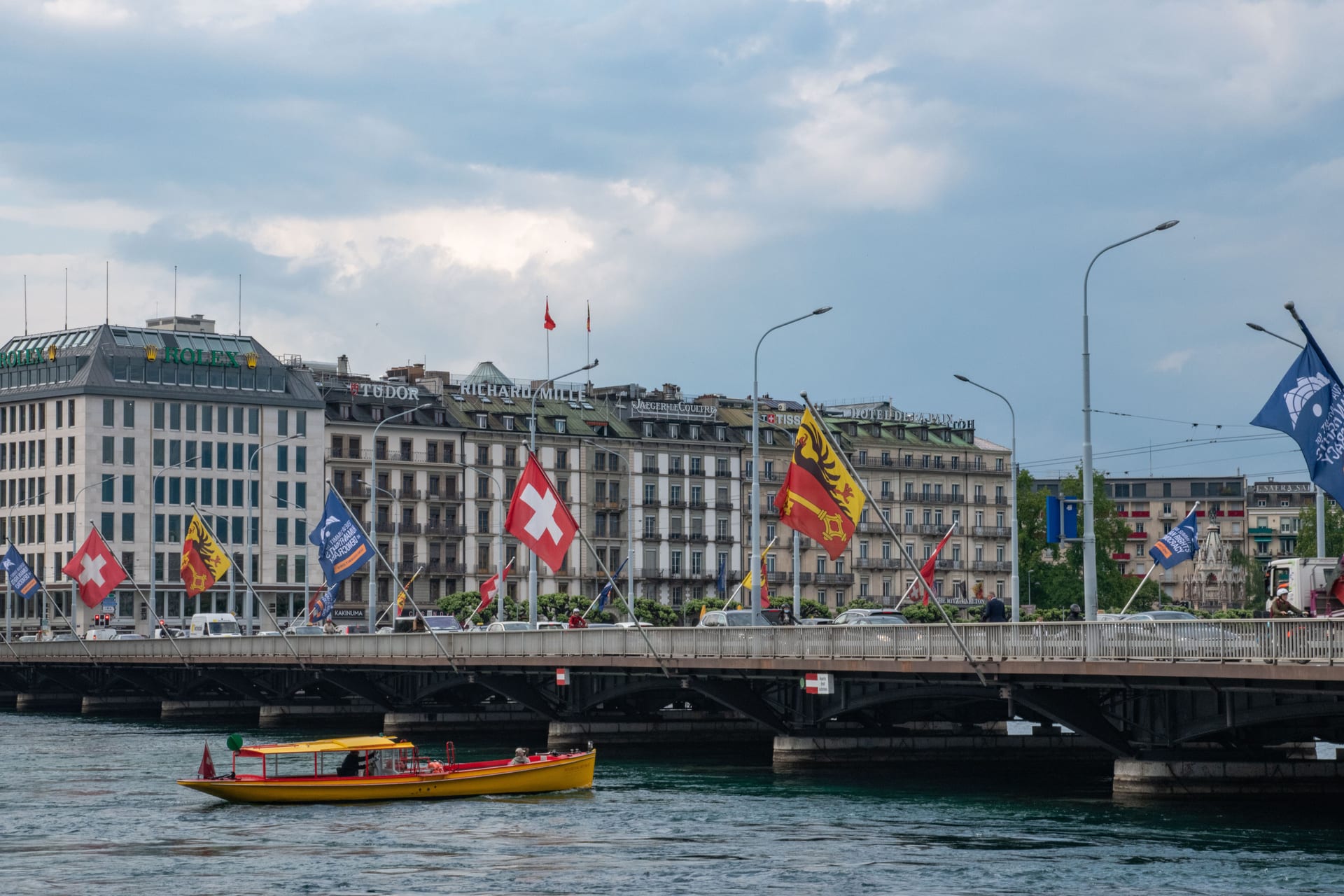
Geneva pairs an international professional base with a compact urban setting. Typical local employee pay is high, while mild summers, clean air, and rare muggy weather help offset 135 rainy-grey days each year, though the darker months remain noticeable.

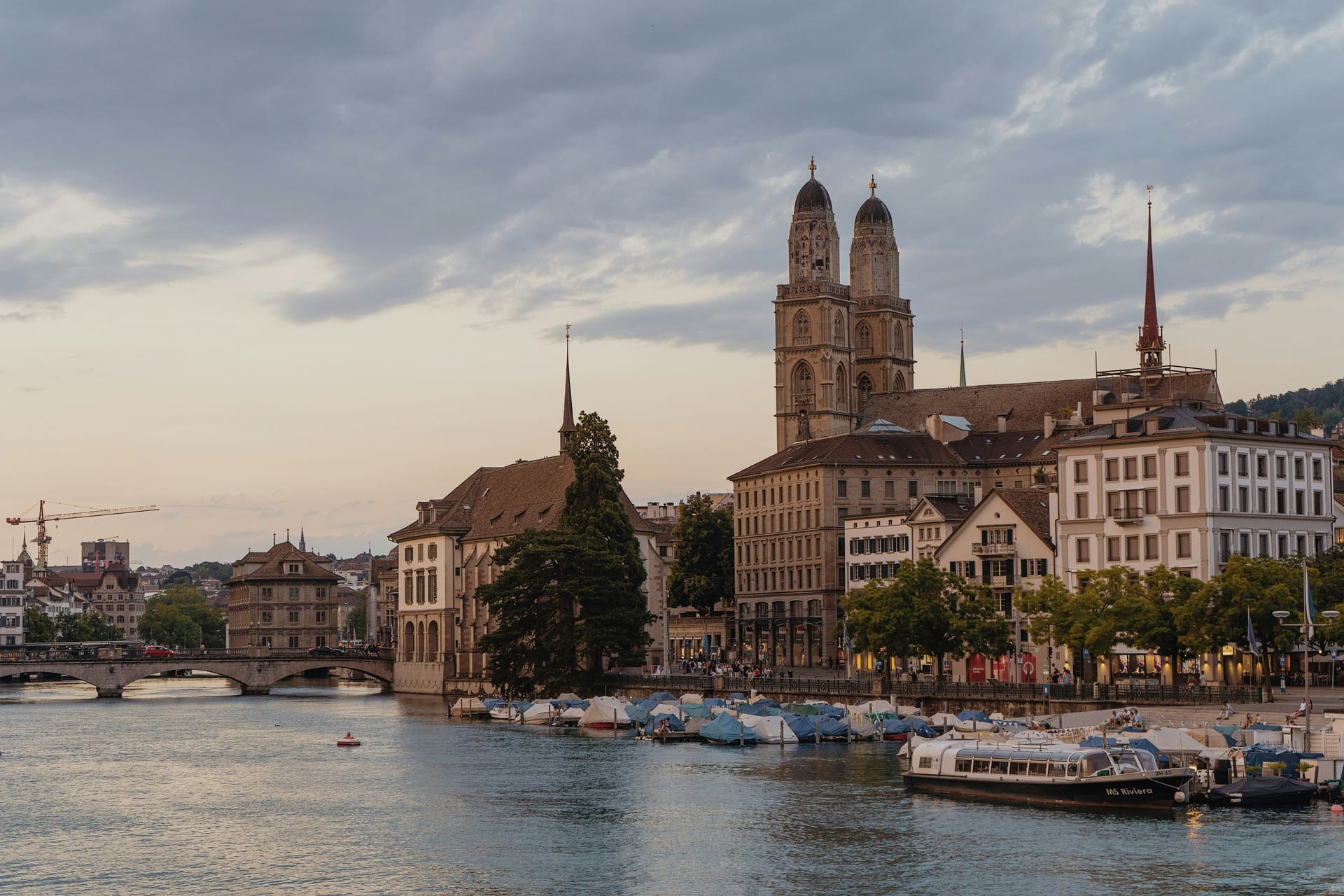
Zurich pairs a strong professional and startup base with a smaller-city feel. Typical local employee pay is high, but mild summers do not prevent a long grey season, with 160 bright days and 148 rainy-grey days each year.

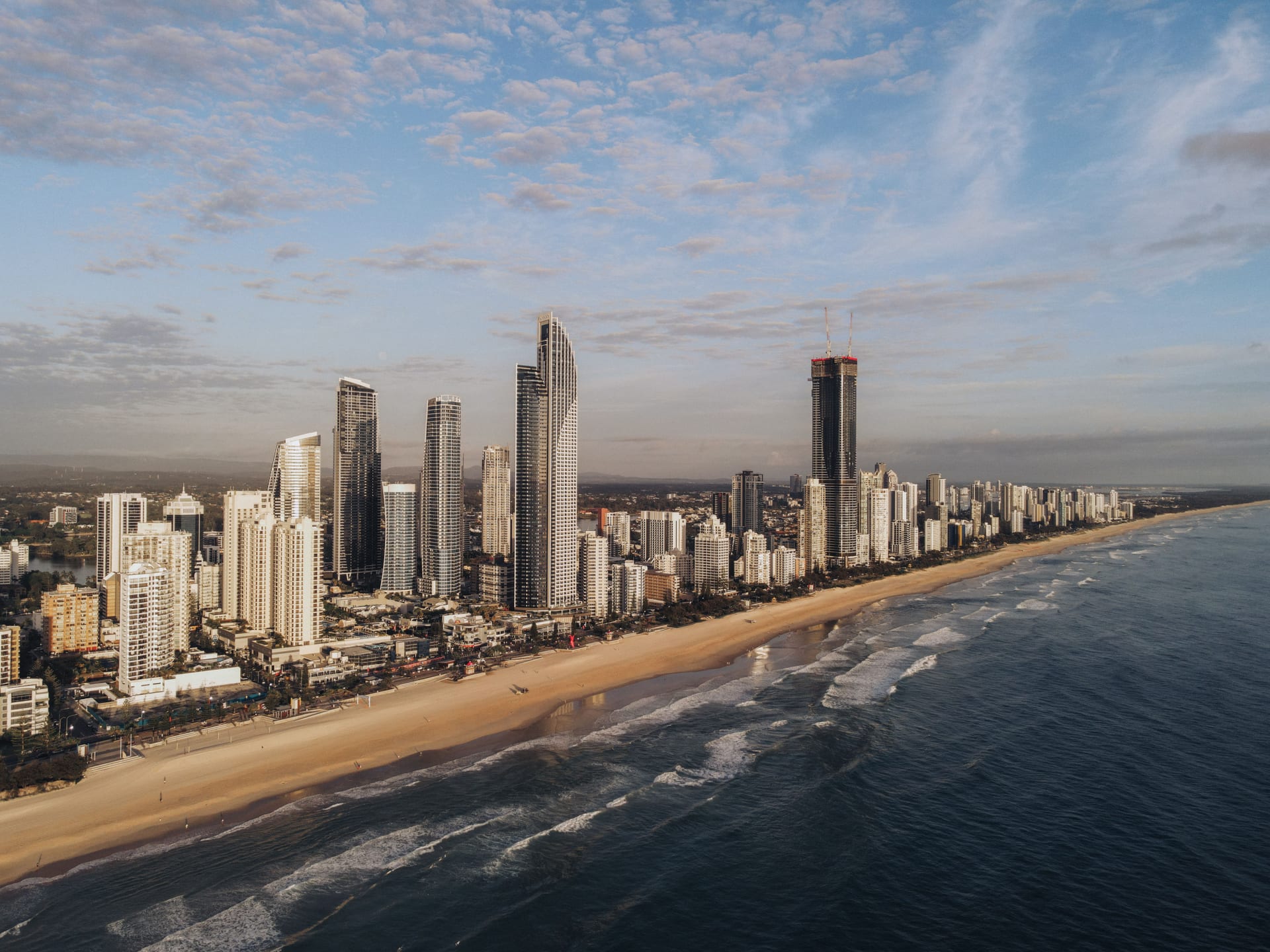
A string of surf beaches and high-rises on Australia's east coast, the Gold Coast trades the corporate weight of Sydney for an unhurried, outdoors-first life. Days revolve around the water, mornings at the cafe, and weekends in the hinterland.

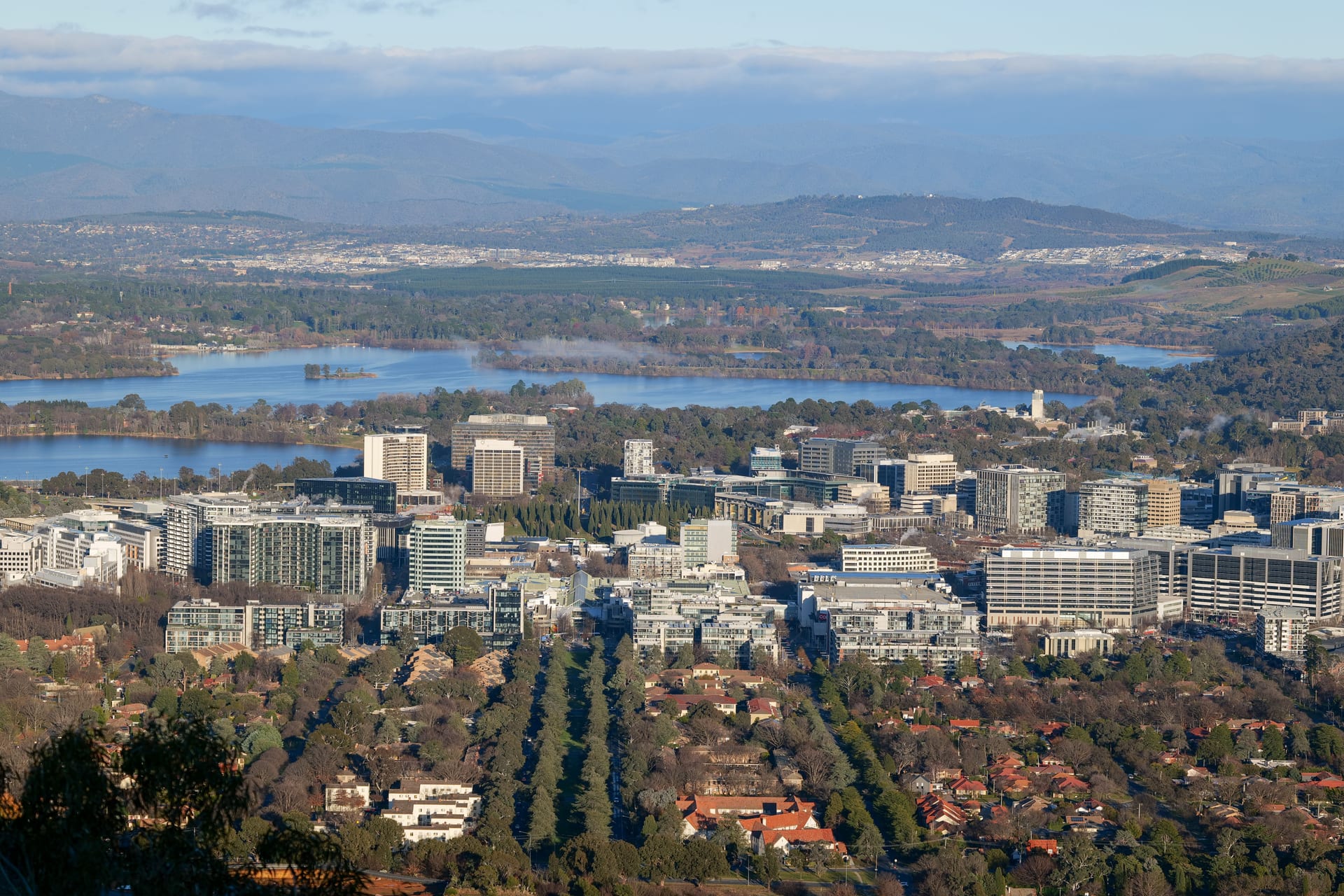
Australia's planned capital is a quiet, green, government town set inland from the coast. It trades the harbour glamour of Sydney for big skies, low-stress streets, and national museums on the doorstep, and life here runs at an unhurried, suburban pace that suits some and bores others.

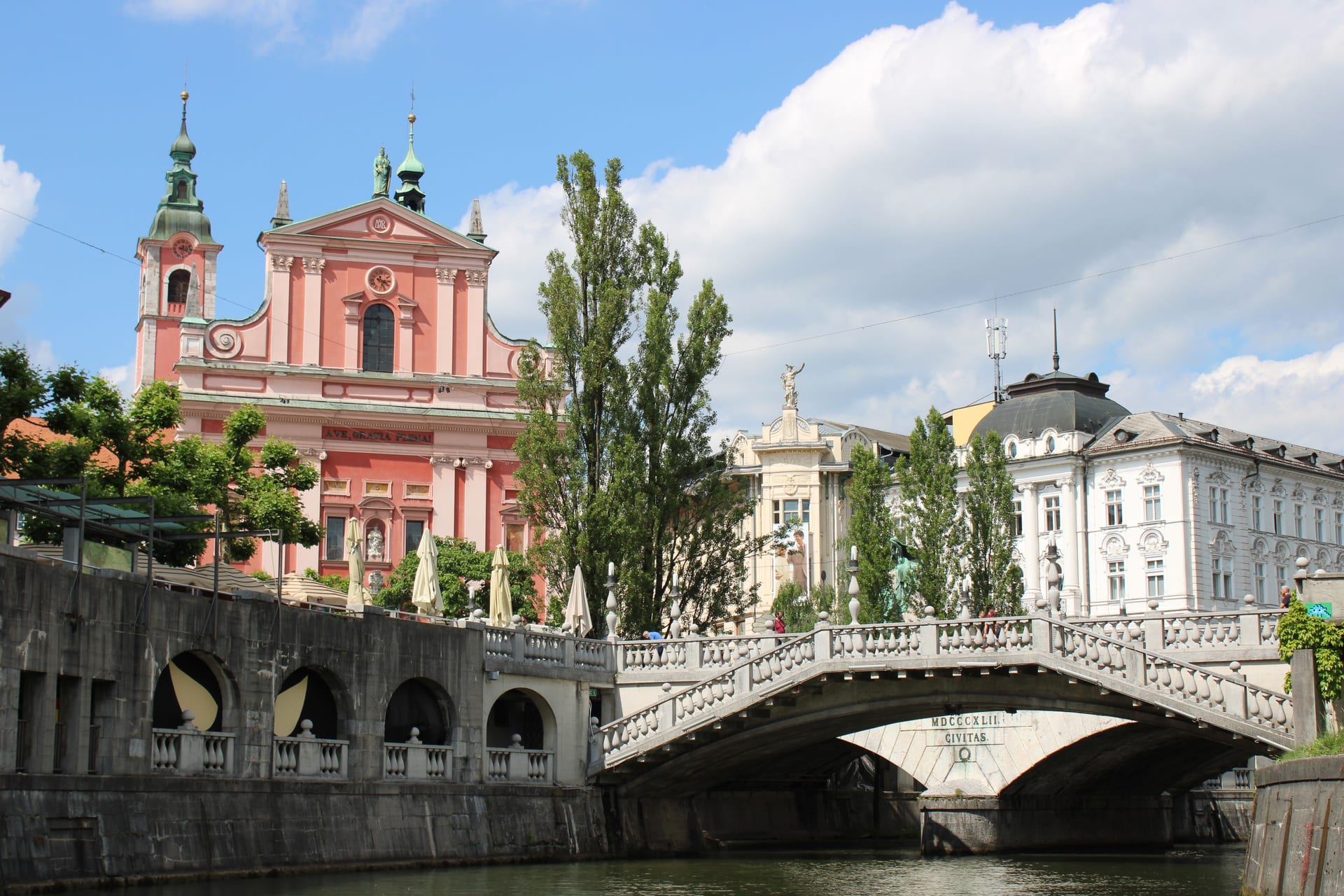
Ljubljana is a compact capital with cool winters, warm summers, and a pronounced low-light season. Work is steady but the local market is narrow, while pay is comparatively solid; the appeal is small-city ease and a quiet pace, with less room for rapid career expansion than a larger hub.

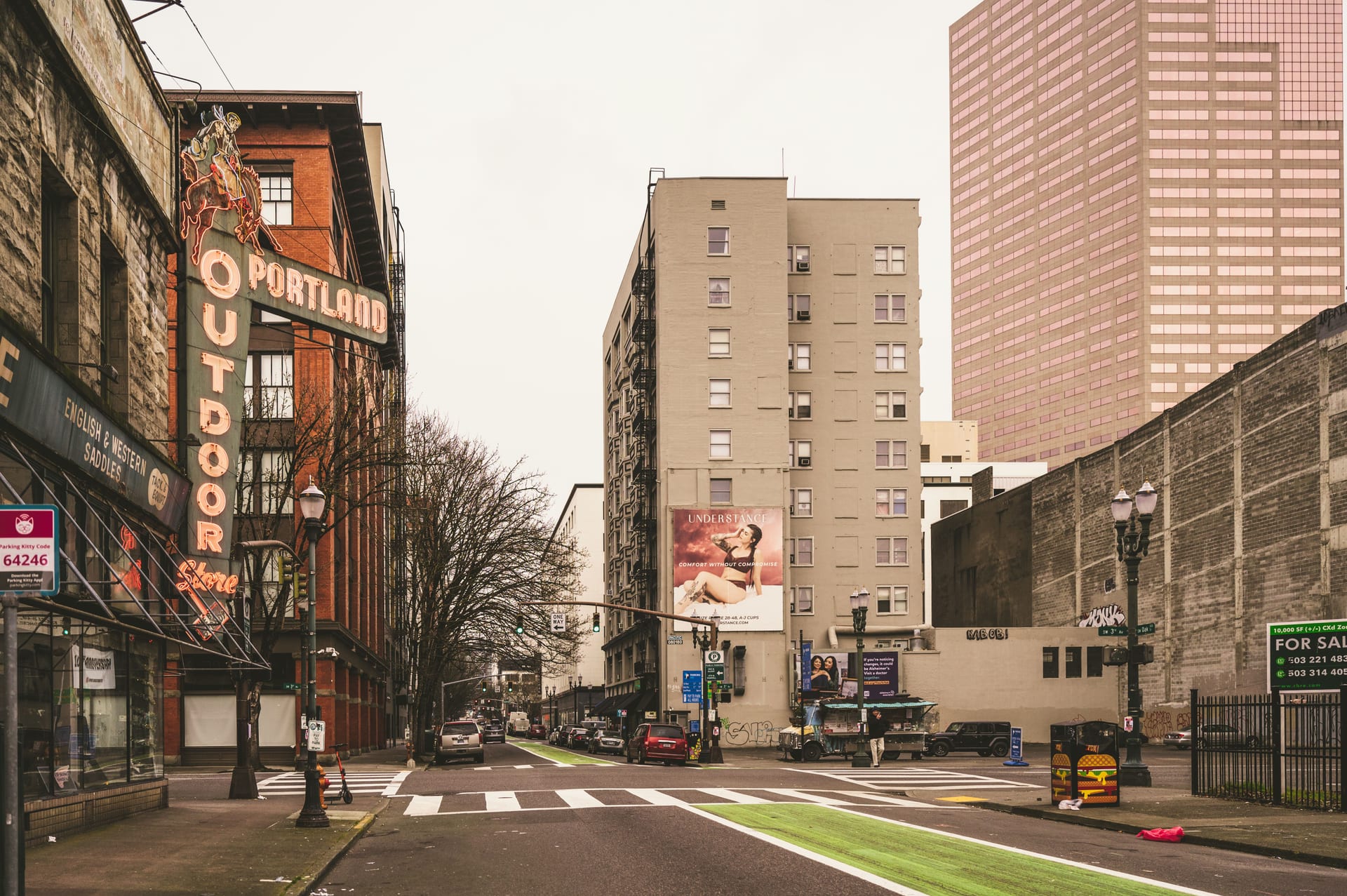
Portland combines a solid local job market with cool summers and very little muggy weather. Housing is expensive by comparison, but typical local pay is high and the rent burden remains manageable.

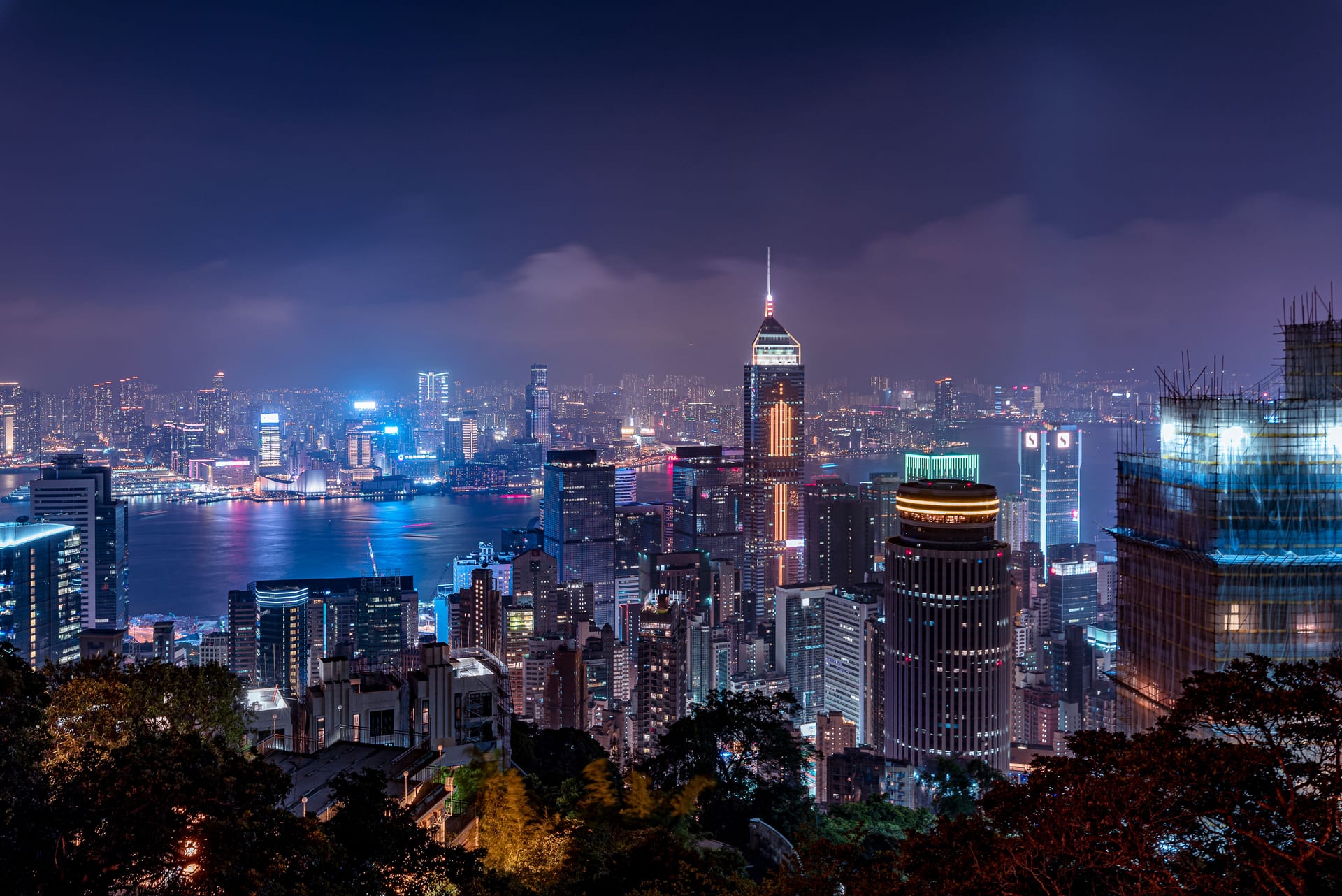
A vertical, hyper-efficient city where the financial centre runs up against forested hills and outlying islands. Like Singapore, it rewards career ambition and pays for it in space and money, but Hong Kong is louder, denser, and more chaotic, with a harder edge to daily life.

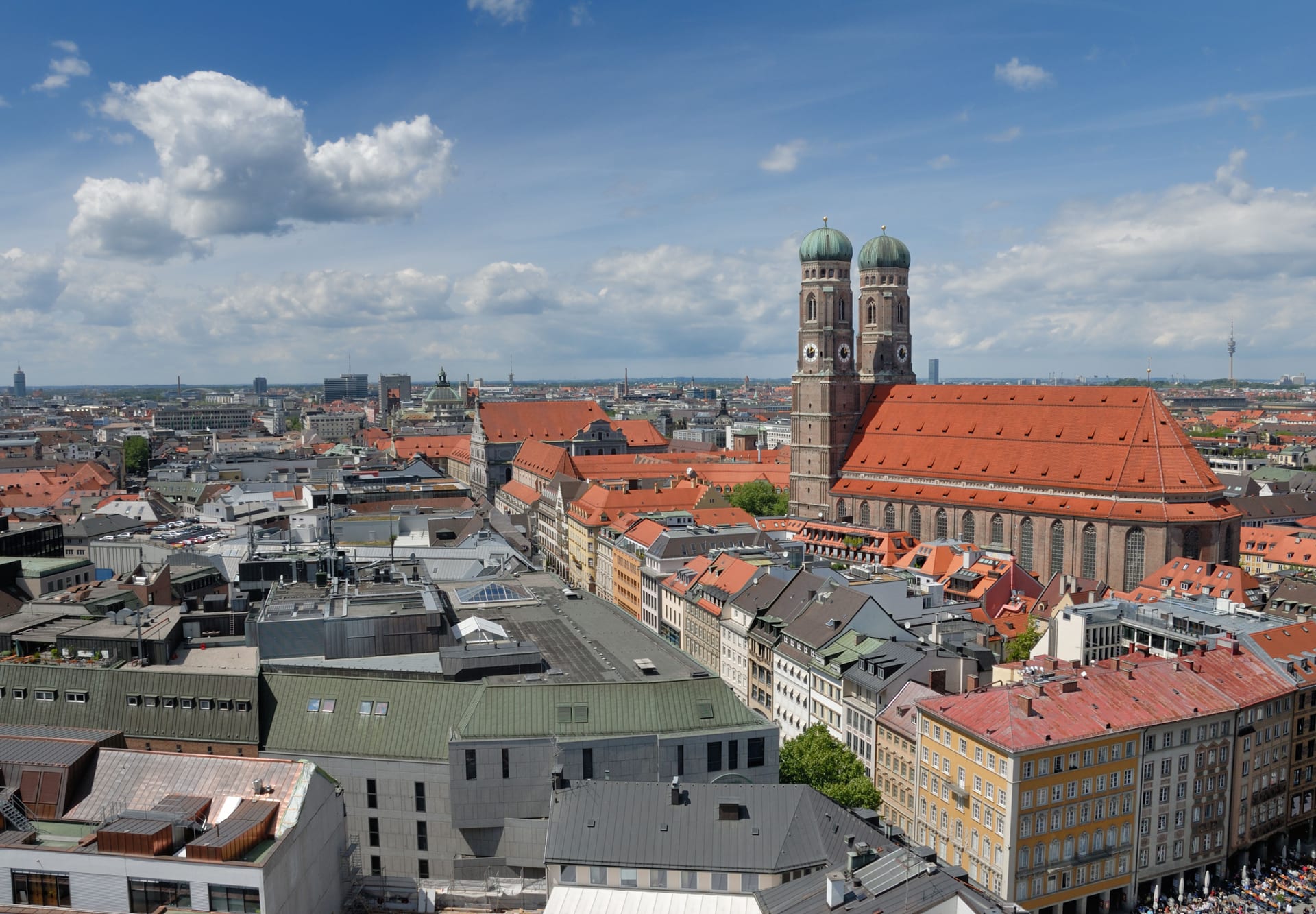
Munich is the prosperous, orderly counterweight to Berlin: where the capital trades on grit and cheap rent, Bavaria's capital runs on money, mountains, and a kind of polished calm. Life here is safe, green, and well-run, with the Alps an hour south.

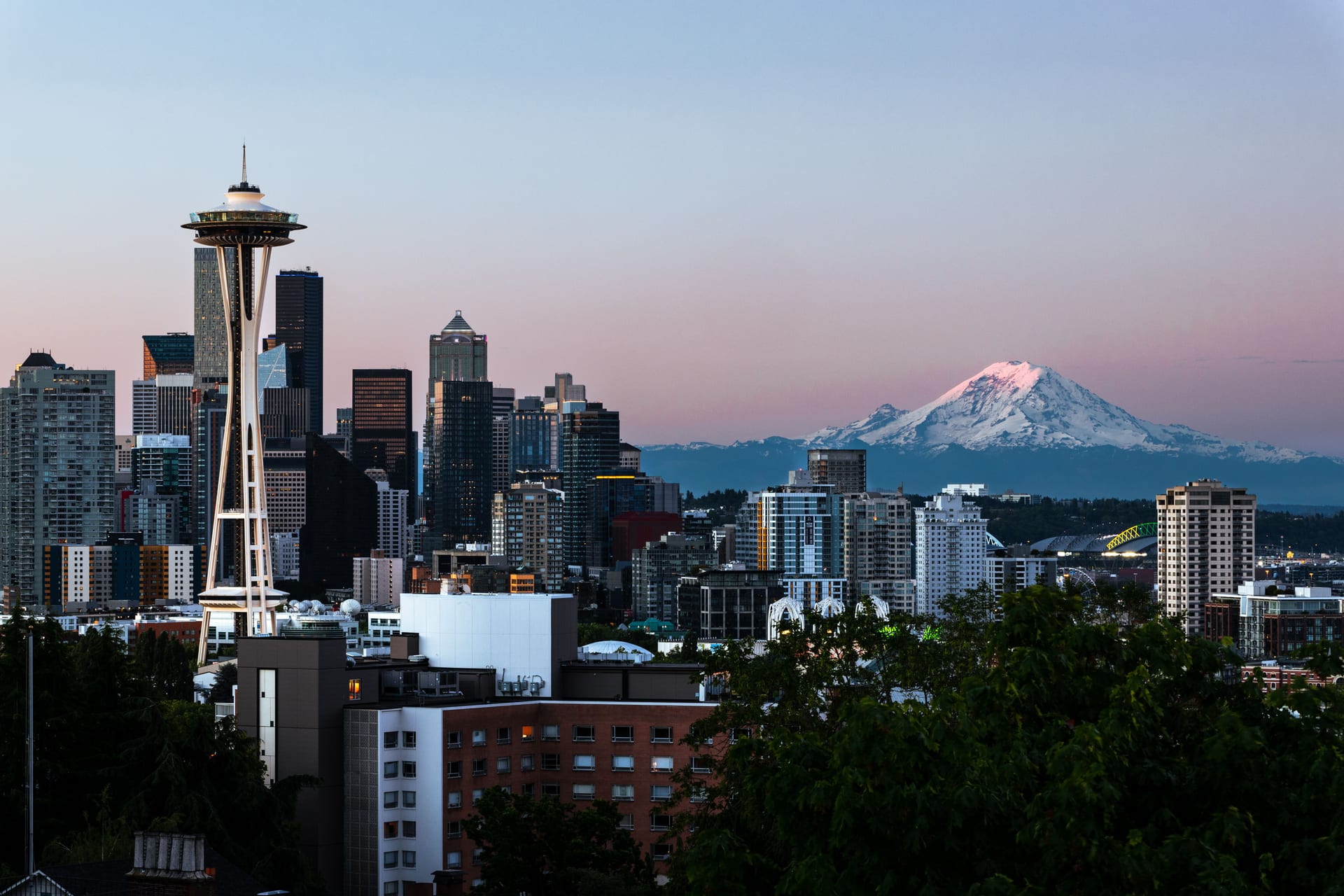
As a place to live, Seattle pairs a deep English-speaking job market with a cool, wet climate. Technology, startups, and professional networks run deep, while local pay is high and remote work is practical.

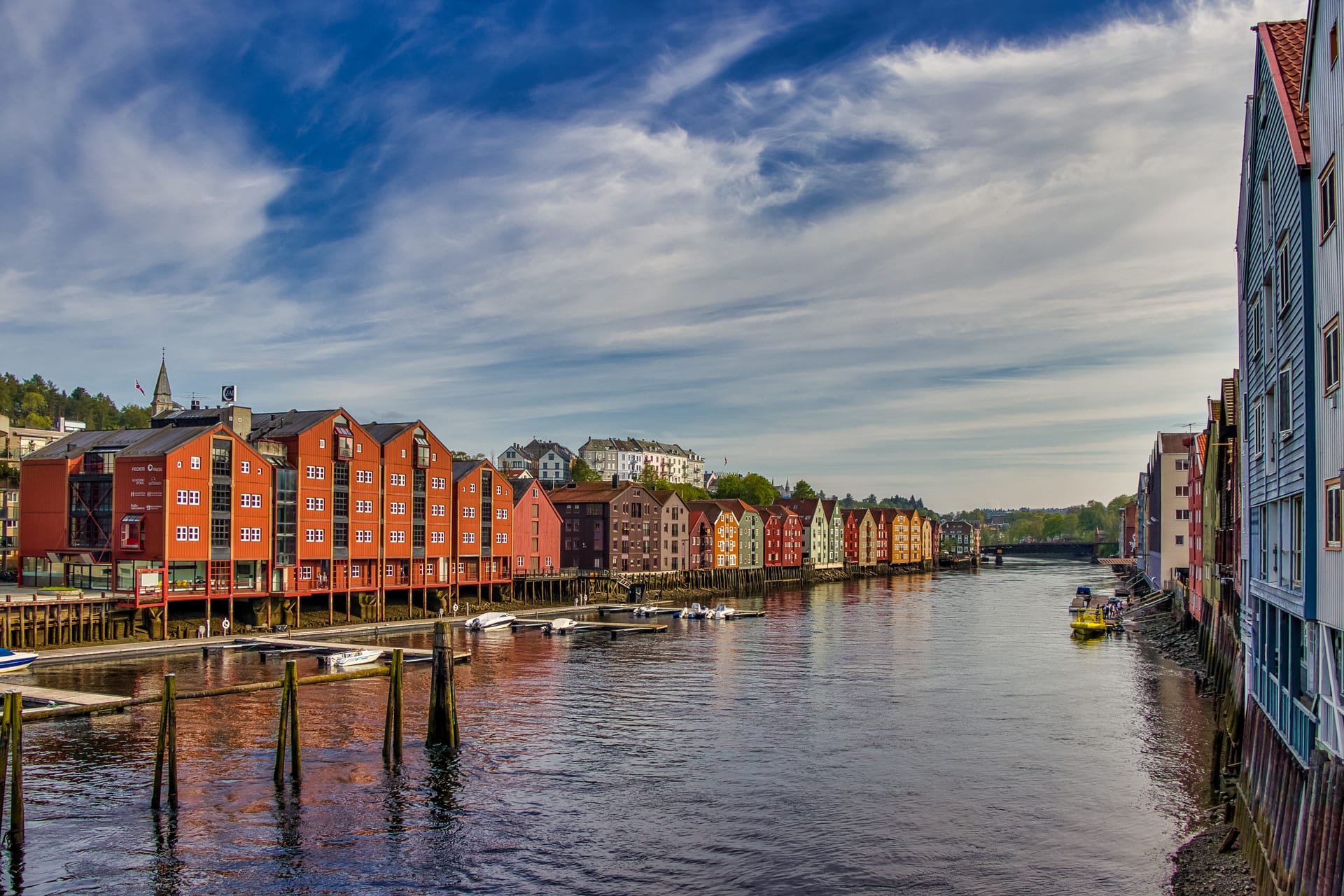
A compact university city on a fjord in central Norway, Trondheim trades the scale of Oslo for an easy, low-key life close to forest and water. Days are clean, calm and orderly; winters run long and dark, and the pace stays slow even by Norwegian standards.

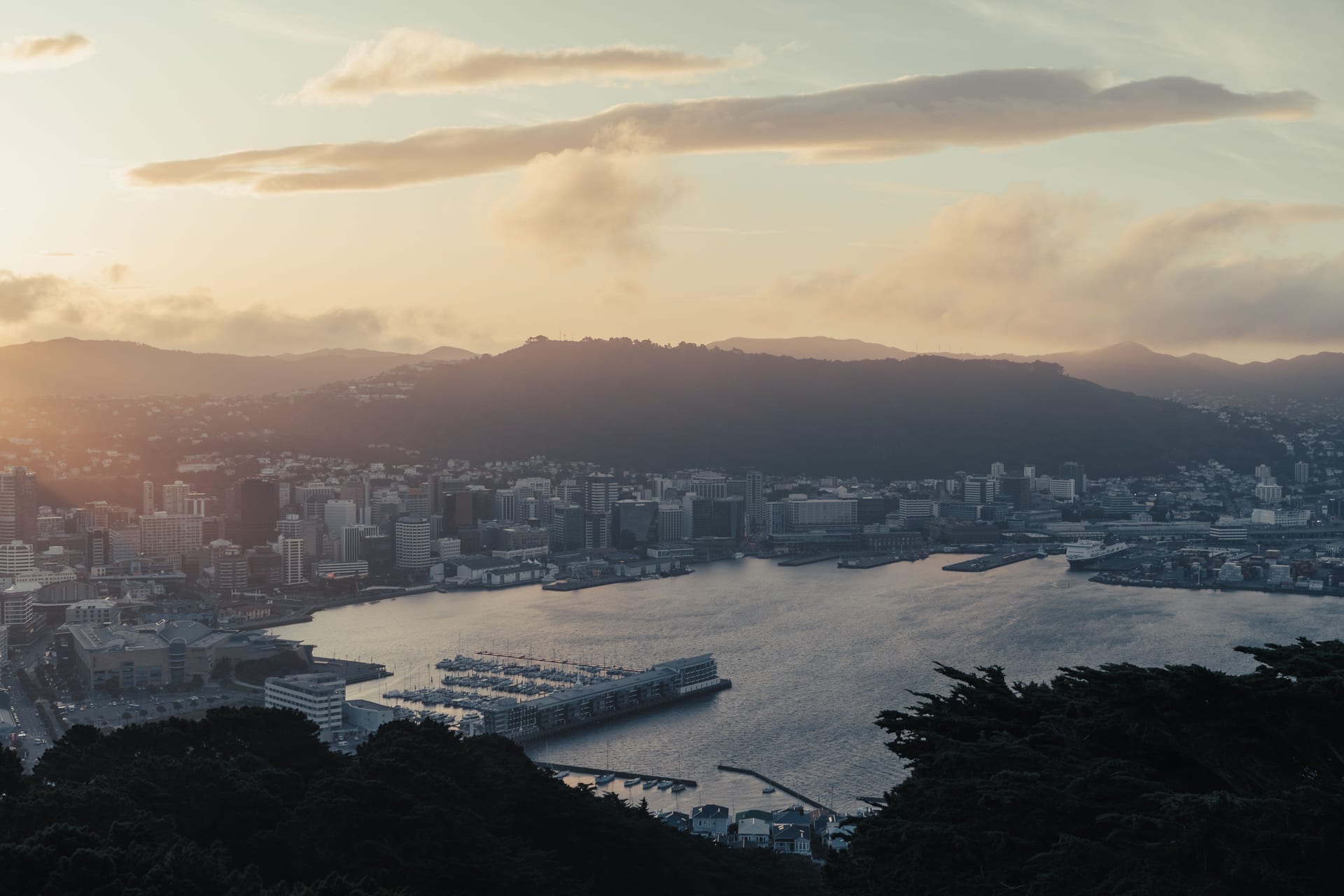
New Zealand's small capital pairs a walkable core with mild summers and clean air. Its weather turns damp and grey at times, while the compact job market, higher everyday costs, and comparatively strong local pay make it a better fit for people who value scale and livability over big-city breadth.