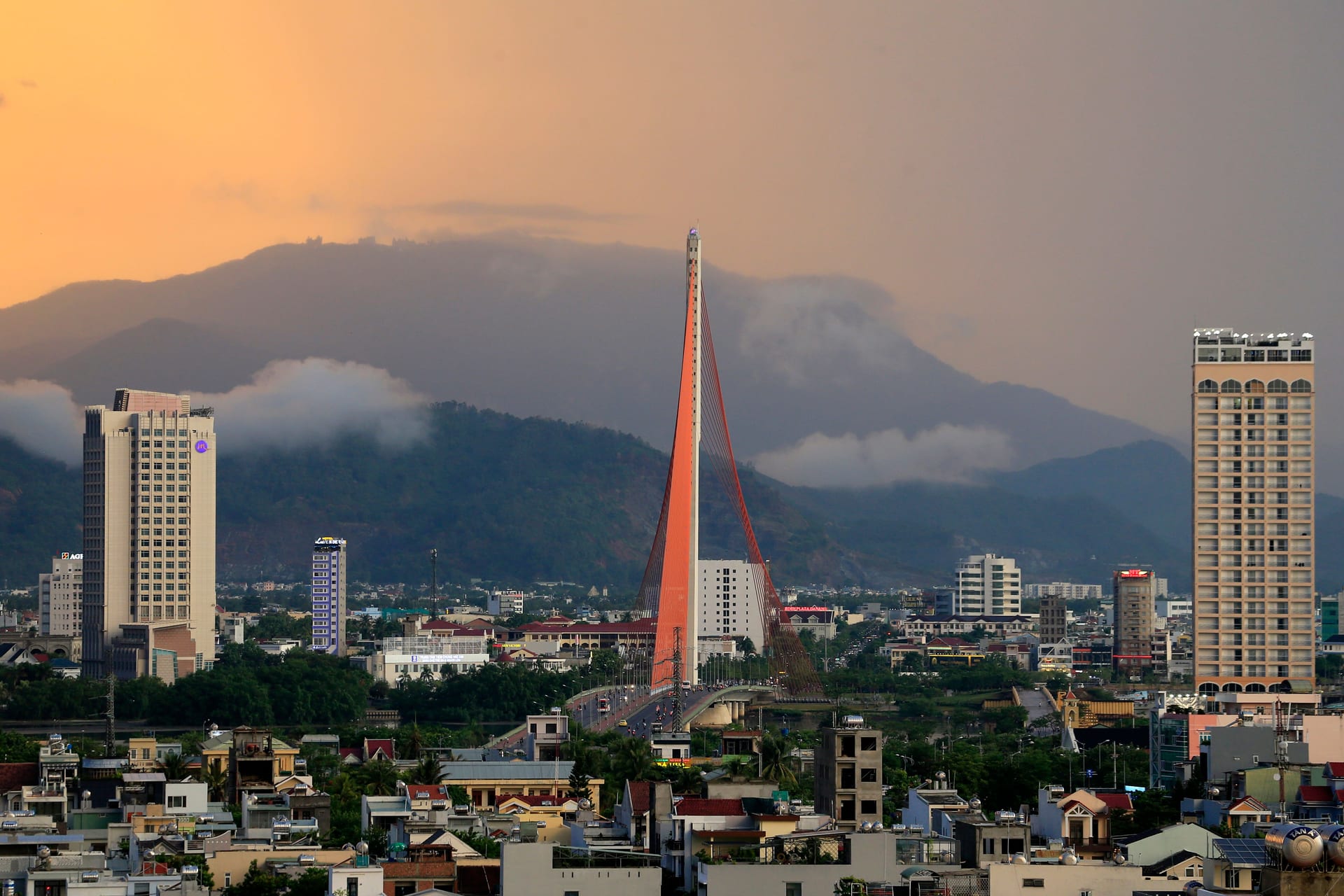
Beach city economics that genuinely work for remote pay, undercutting Ho Chi Minh City and Bangkok on rent, food and daily costs. The riverfront and long beachfront are unusually well kept for the region.
If your income comes from a laptop, rent becomes a major part of the decision. These are cities where that money goes somewhere useful: a decent home, a social life, reliable internet and a place you will still like after the first few months.
At no extra cost to you, we may earn a commission when you buy through affiliate links on this page.

Beach city economics that genuinely work for remote pay, undercutting Ho Chi Minh City and Bangkok on rent, food and daily costs. The riverfront and long beachfront are unusually well kept for the region.

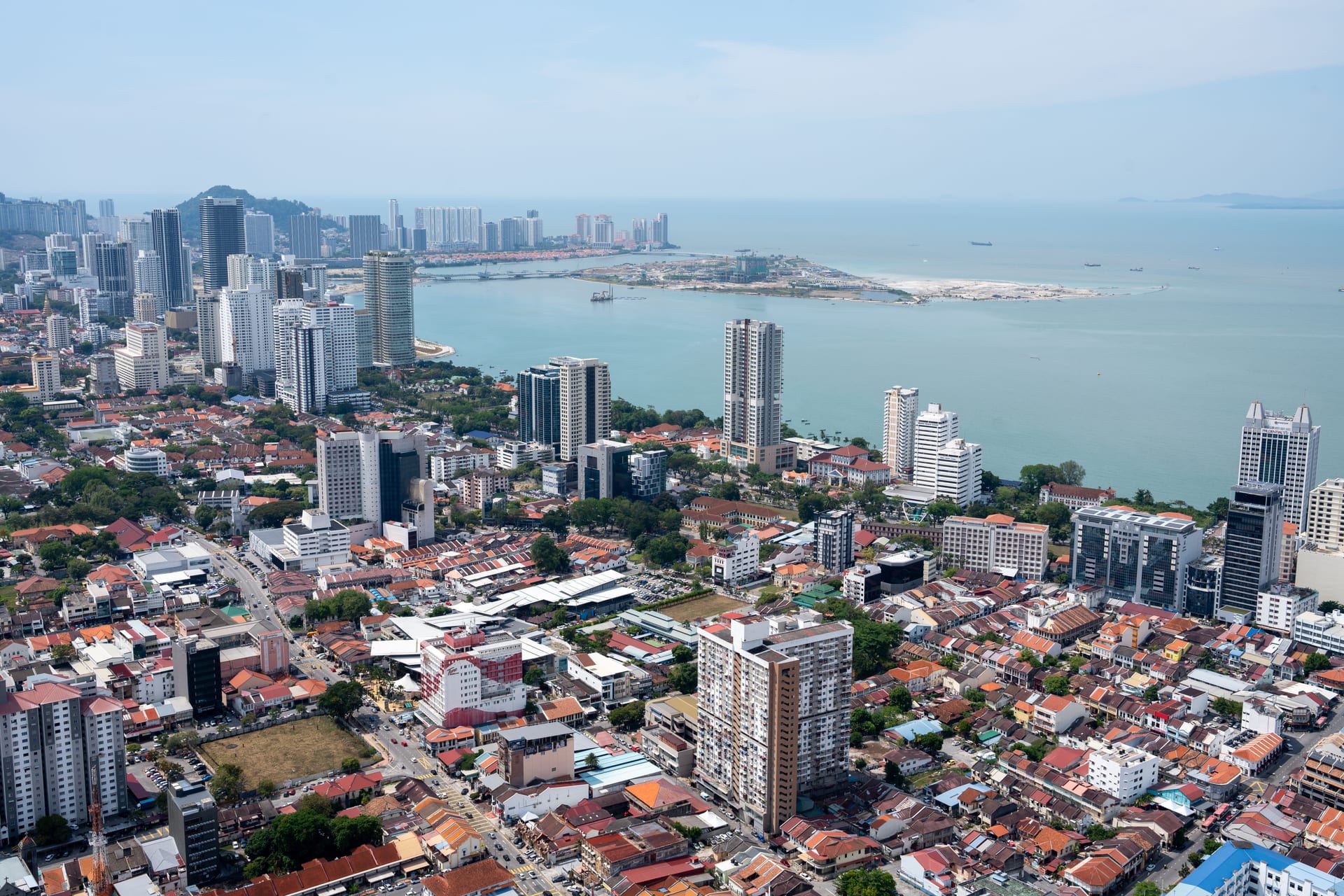
George Town undercuts even Kuala Lumpur on rent, groceries and street food, so a remote wage earned elsewhere stretches almost absurdly far, and the tax burden stays light. Utilities are reliable and the airport connects across Asia, though weak public transport and near-absent cycling push most people toward driving.

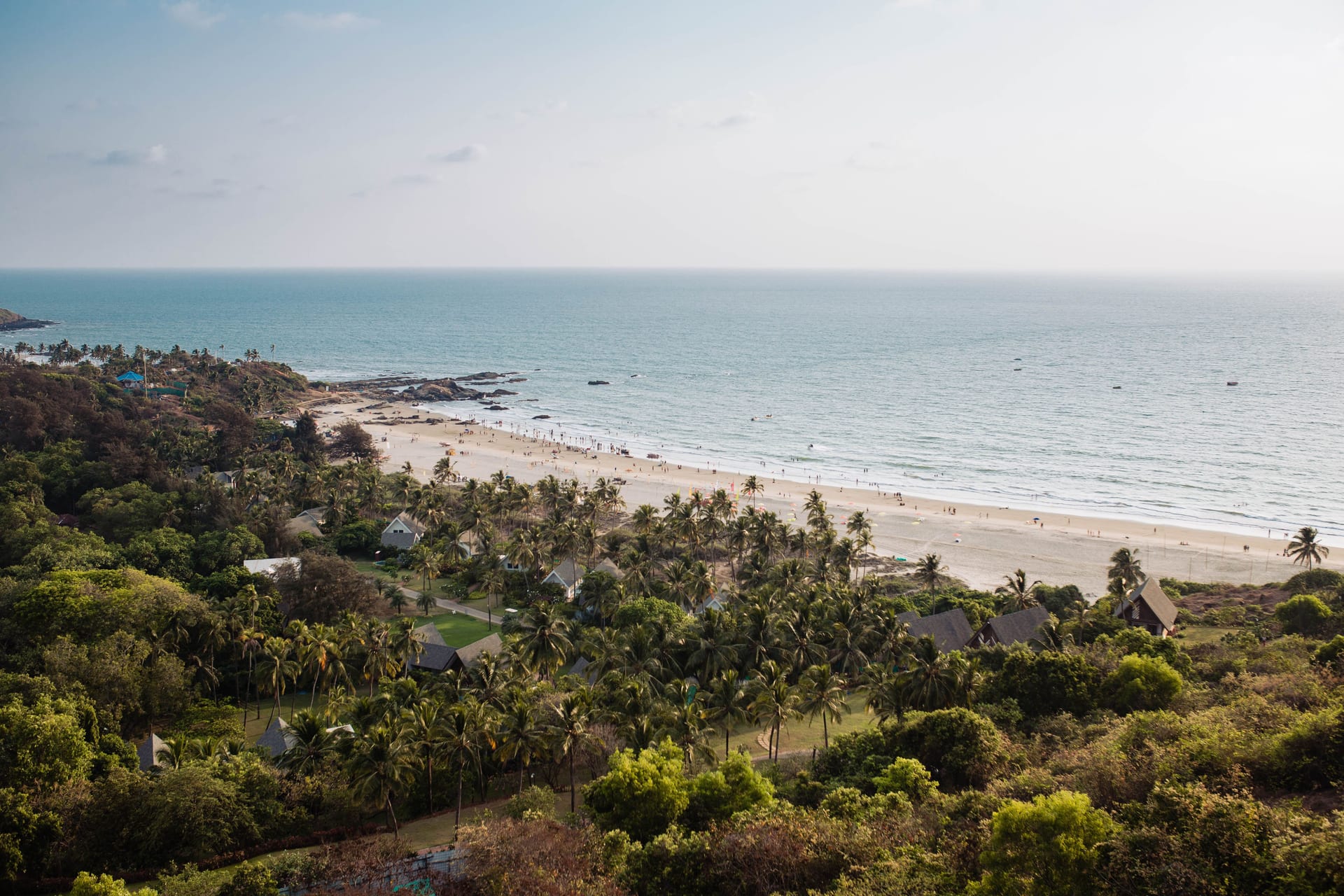
Bali, centred on Denpasar, is the laid-back end of Southeast Asia's expat map: where Singapore sells skyscrapers and order, the island trades in beaches, slow mornings and a foreign income that stretches a long way. Daily life leans on a scooter and an internet connection, and the infrastructure underneath it all is thin.

Day-to-day costs here rank among the lowest a relocator will find, with rent especially cheap and a light tax bite, which suits anyone arriving on income earned elsewhere. The catch is practical: public transport barely exists and utilities can be patchy, so your own wheels are close to mandatory.

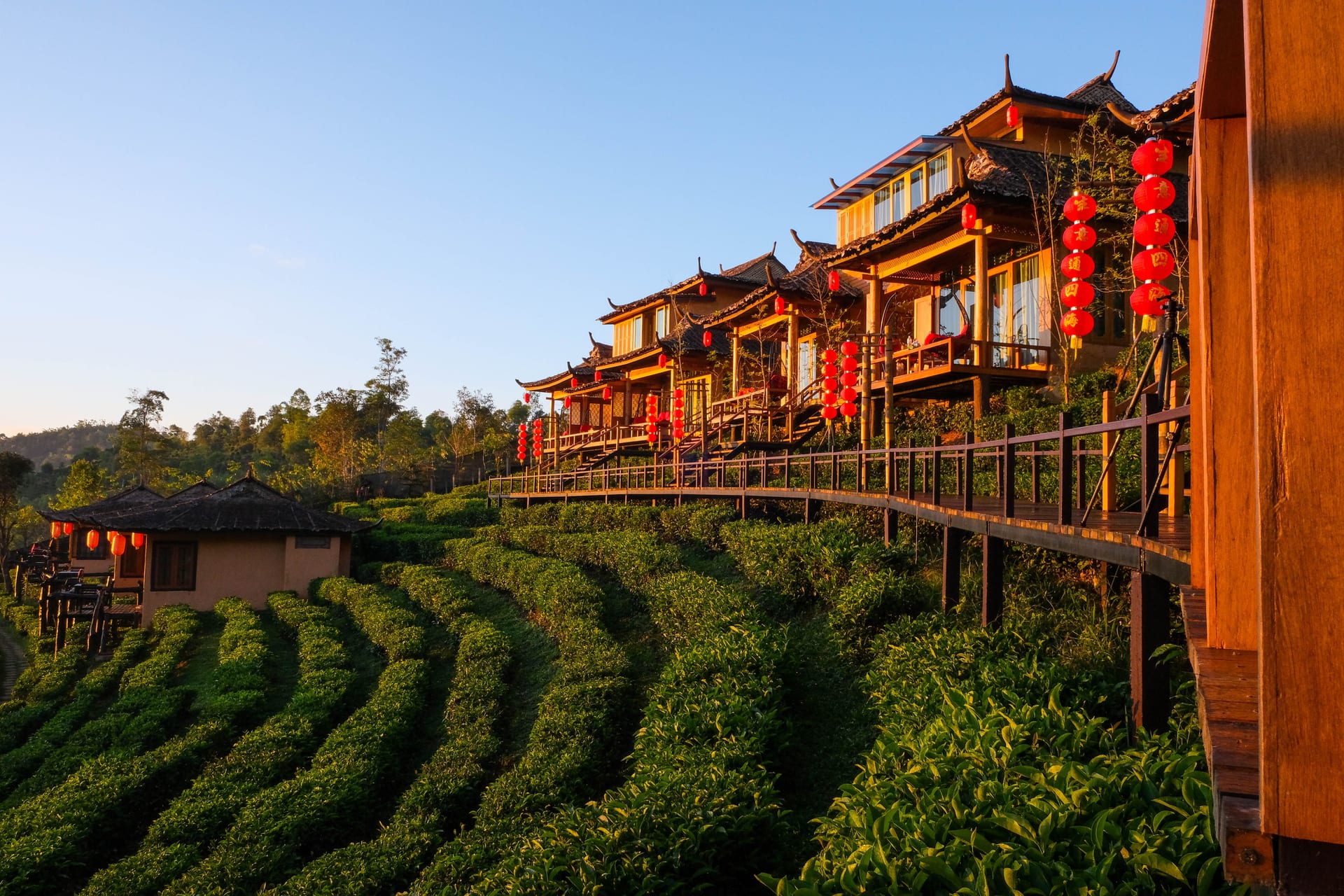
Few cities let a Western income stretch this far, with rent, food and eating out running far below Bangkok and taxes light. The moated old town is walkable and dotted with temples, and the night markets and temple festivals cost almost nothing, though the burning season fouls the air.

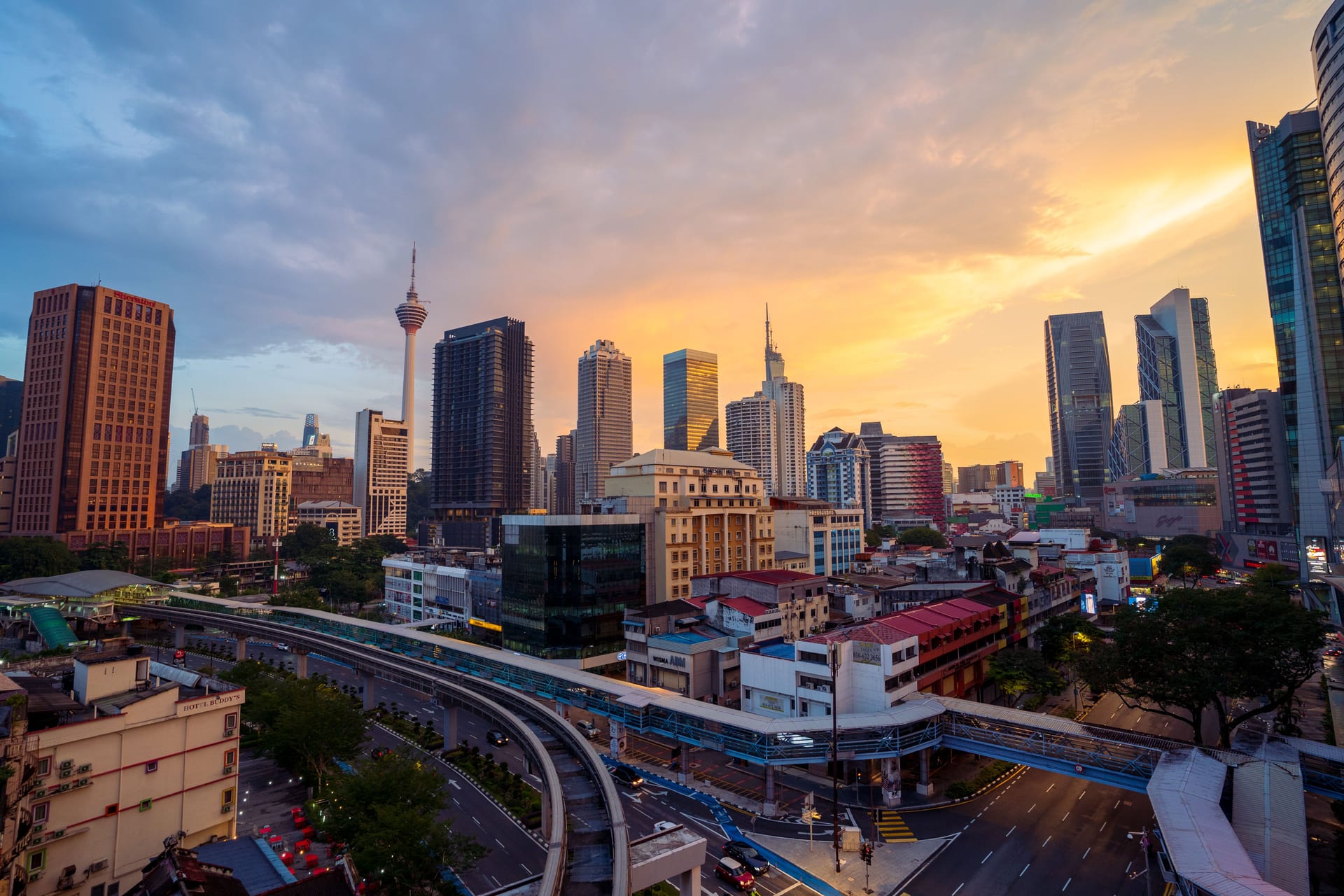
Rent, groceries and eating out cost a small fraction of what Singapore demands just across the causeway, and income tax stays light, so a remote income goes a long way here. The airport is a major regional hub and the metro covers the centre well, though it thins toward the edges and cycling is near non-existent.

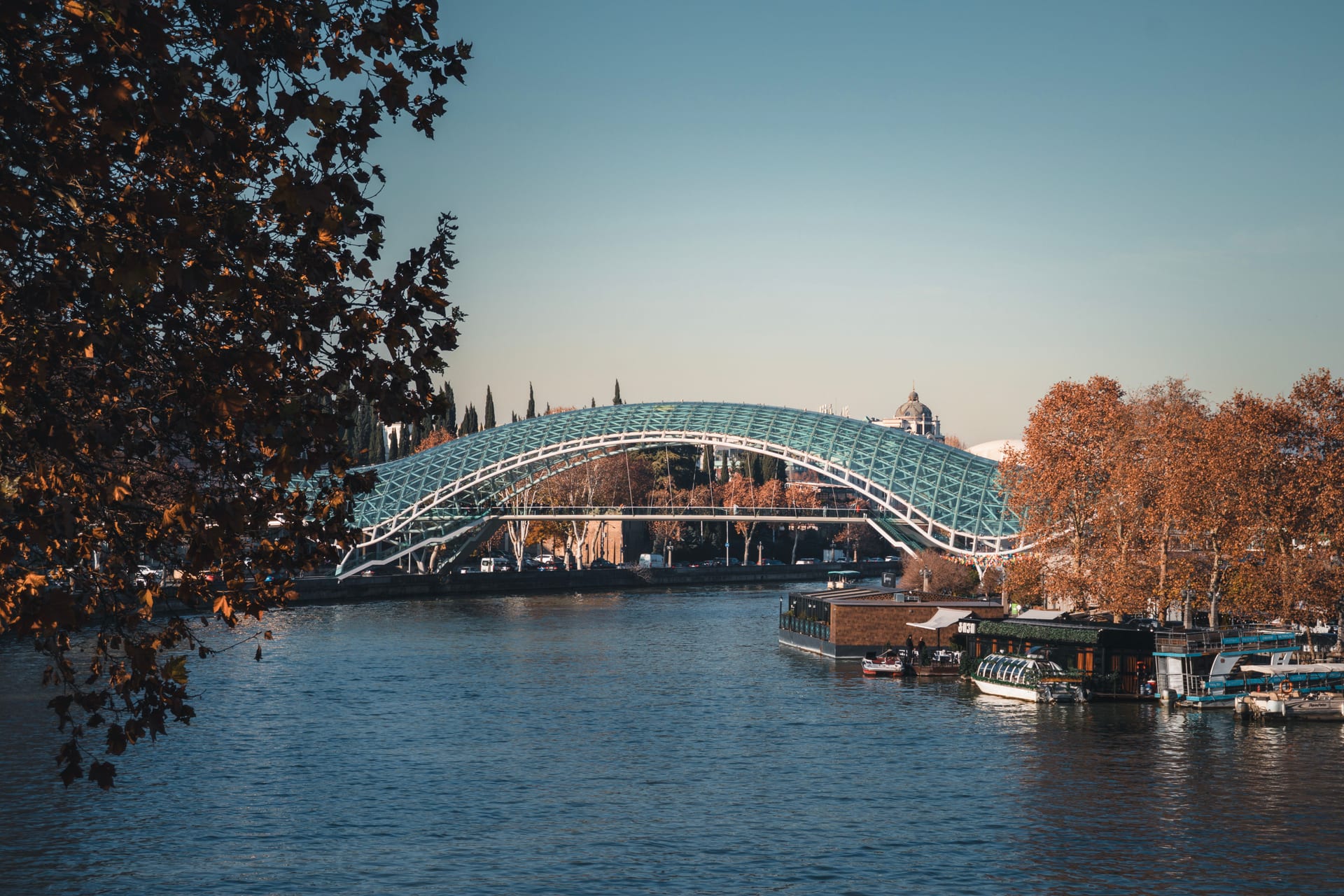
Tbilisi runs on very little money and very few formalities, which is why it has drawn waves of remote workers and small business owners to the Caucasus. The old town tumbles down hillsides toward the Mtkvari river, mountains sit close, and the welcome for foreigners is genuinely warm.

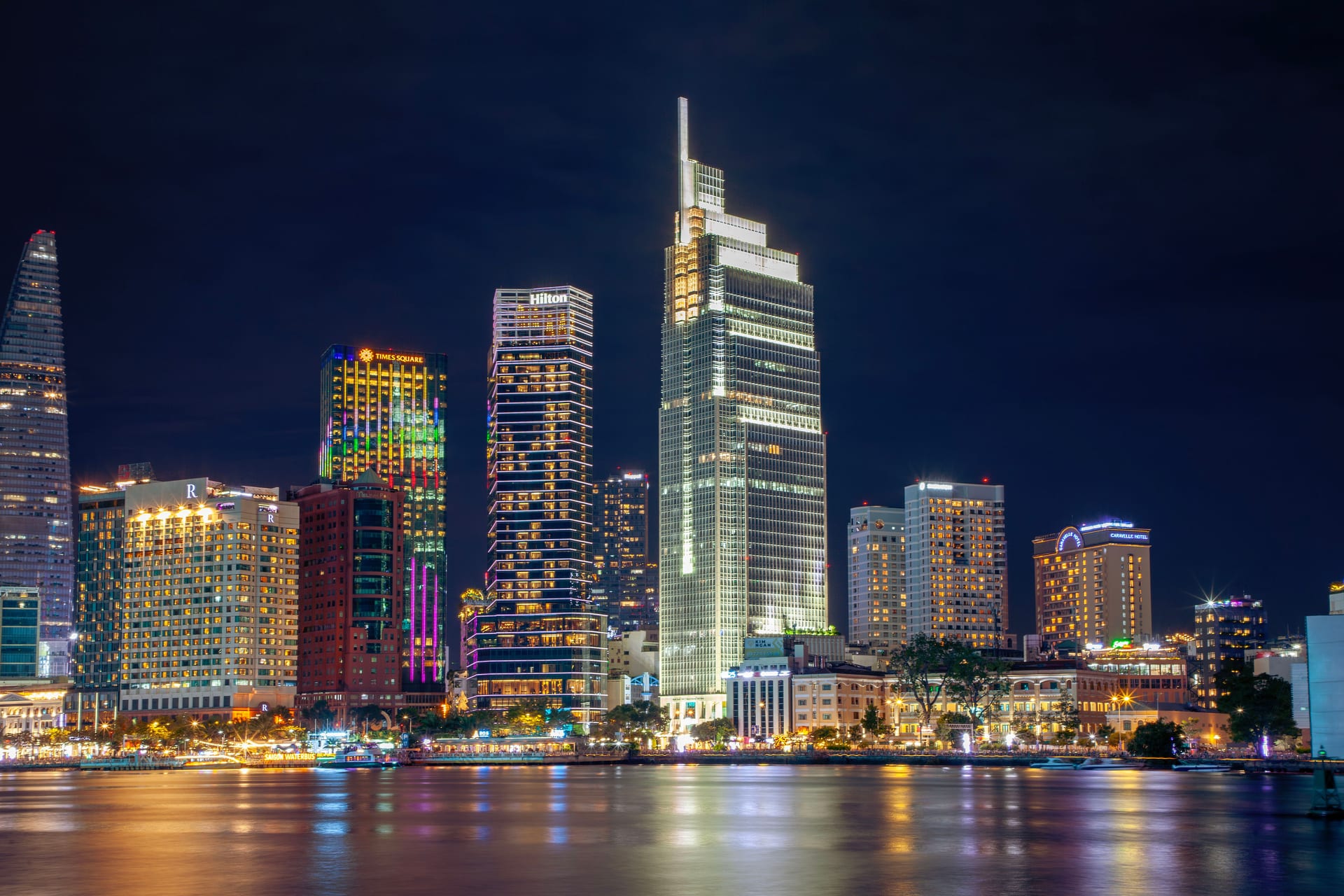
Vietnam's commercial engine runs hot, loud, and cheap, a sprawl of scooters, street kitchens, and coffee culture that rarely slows down. Day-to-day costs sit well under Bangkok or Tokyo, and the energy is closer to Bangkok's than to anywhere calmer.

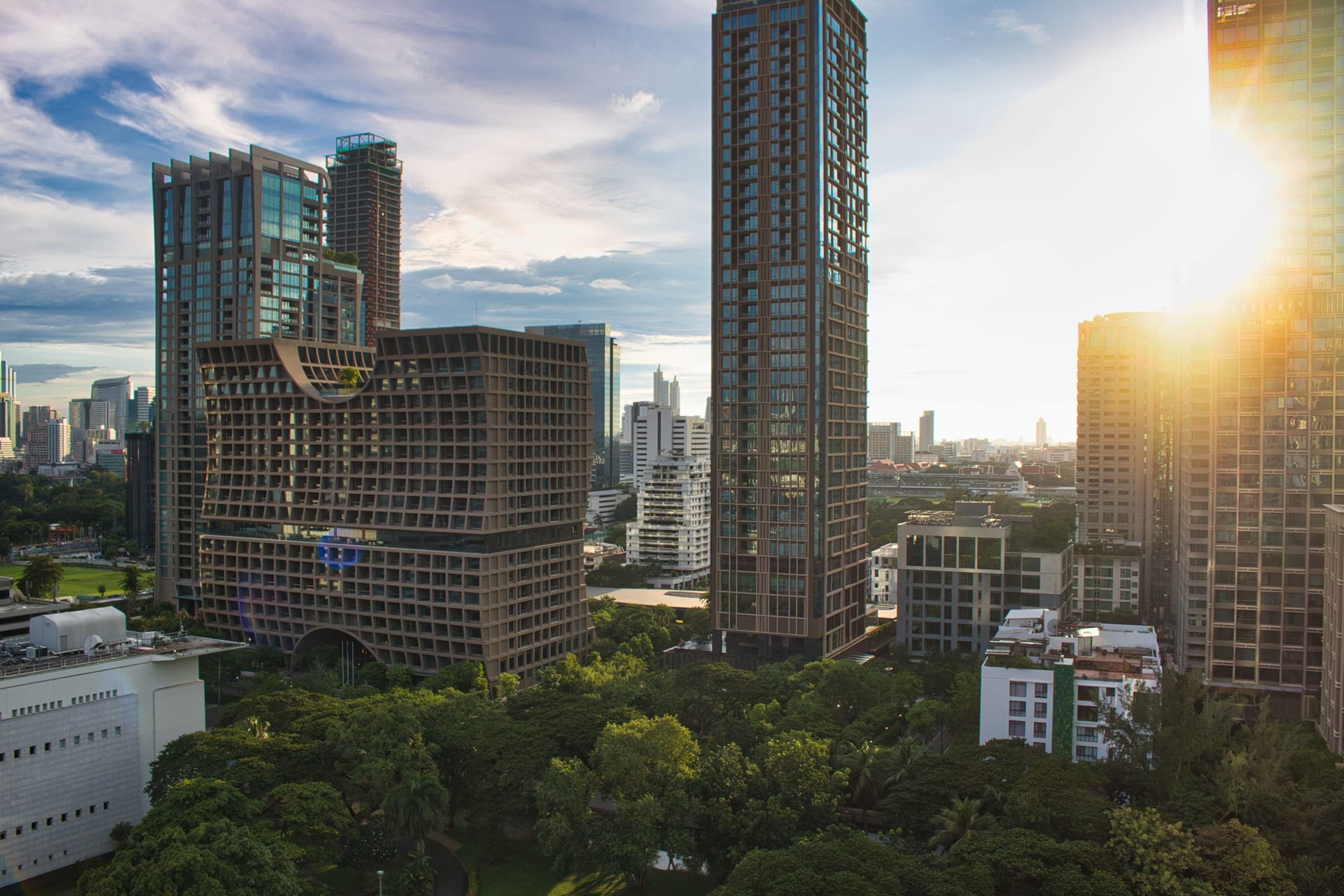
Thailand's sprawling capital runs on cheap, abundant living and some of the best street food anywhere, wrapped in heat, humidity and traffic that test newcomers. It is the unrivalled centre of the country, far larger and faster than Chiang Mai, with a deep expat scene to soften the landing.

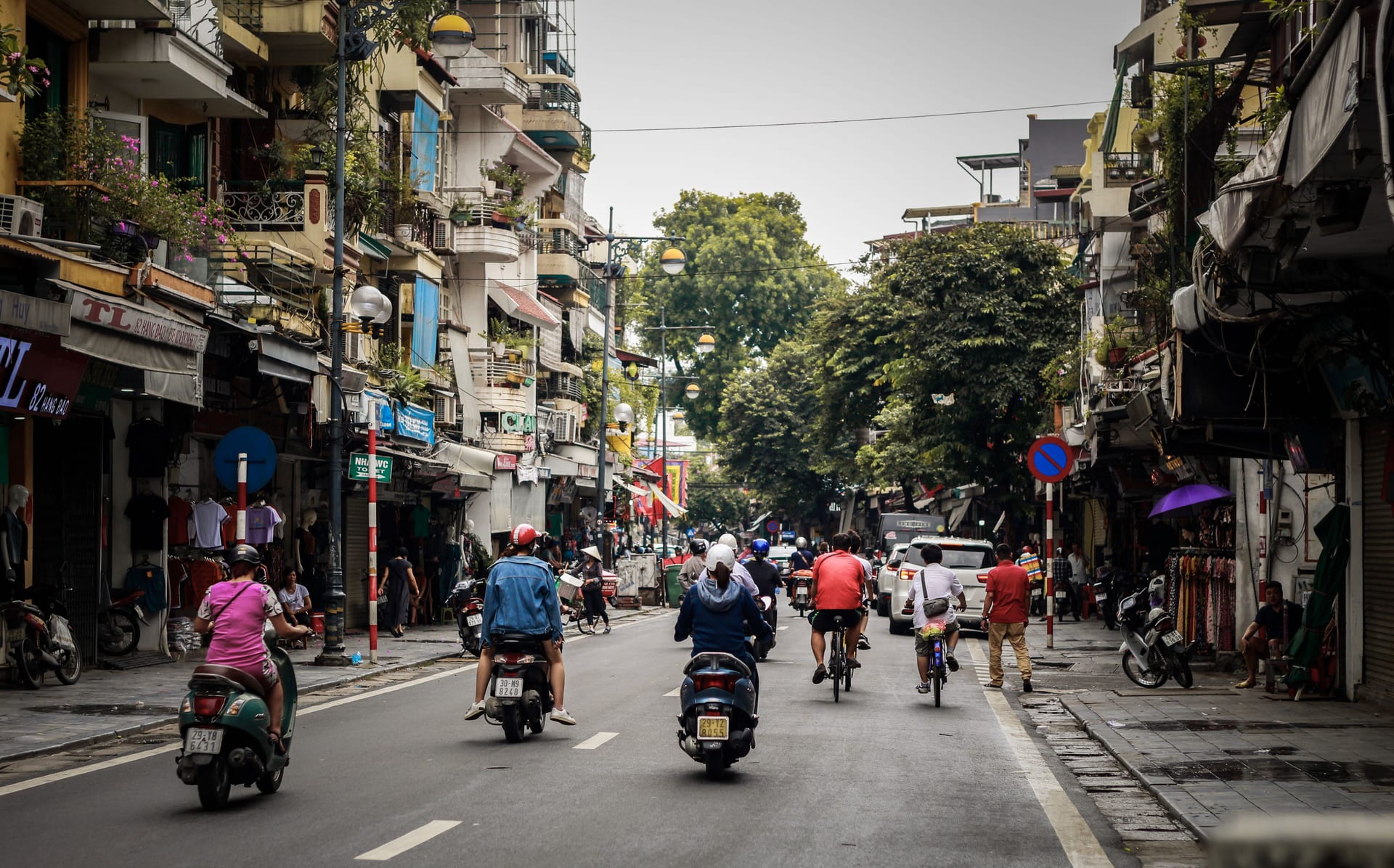
Hanoi combines a distinct cool season with hot, humid summers, but grey skies and poor air quality shape much of the year. Daily costs are low, while local pay is also low and rent is demanding relative to it.

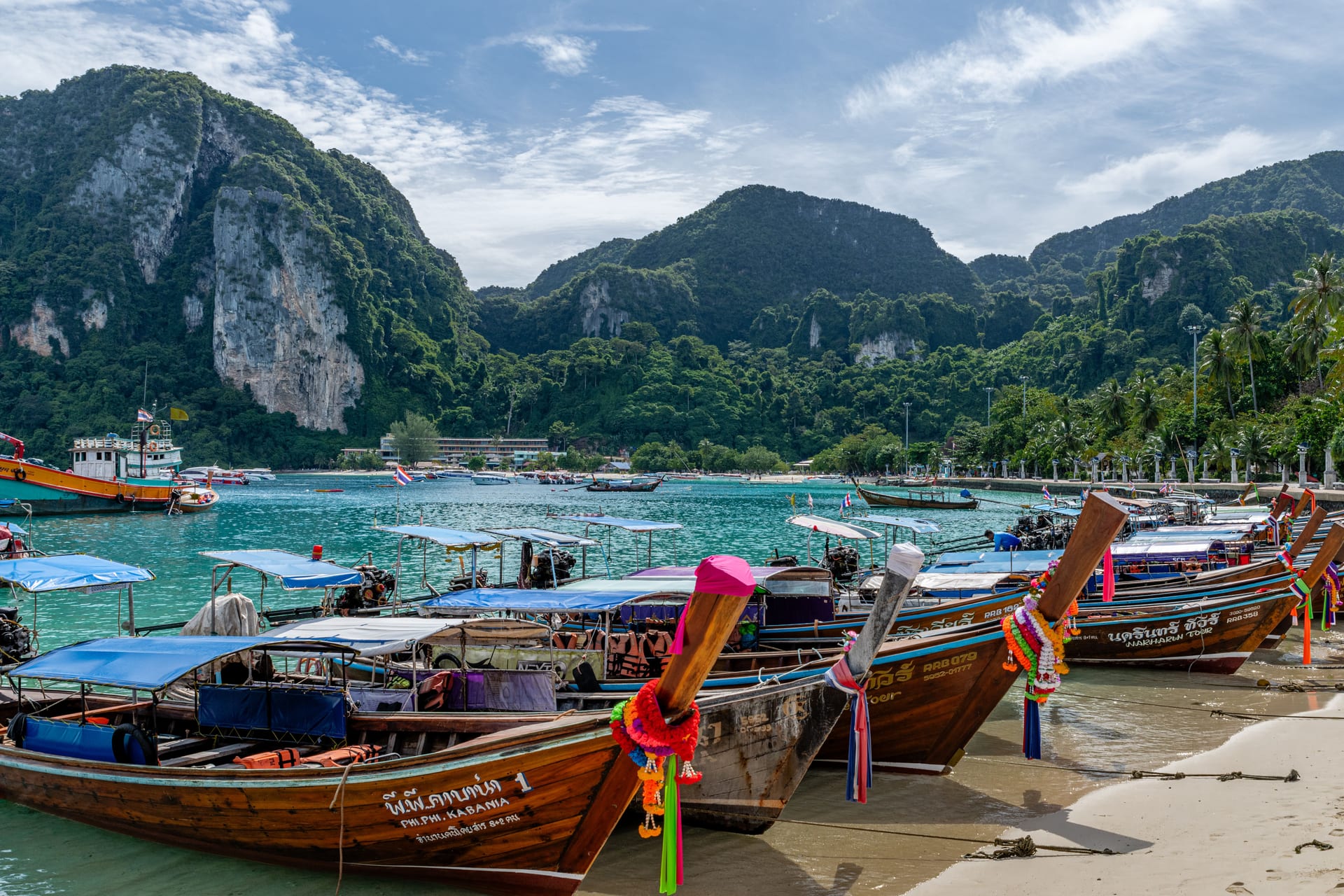
Thailand's biggest resort island, and the closest mainland-Asia rival to Bali for sun, beaches, and a long-stay foreign crowd. Life here runs slow and cheap, organised around the coast rather than a city centre.

Medellín sits in a green Andean valley and runs on famously mild, spring-like weather all year. It is one of the cheapest big cities in Latin America to live well in, and a magnet for remote workers, though the trade-offs are real: petty crime, a hilly sprawl, and a city still rewriting its reputation.

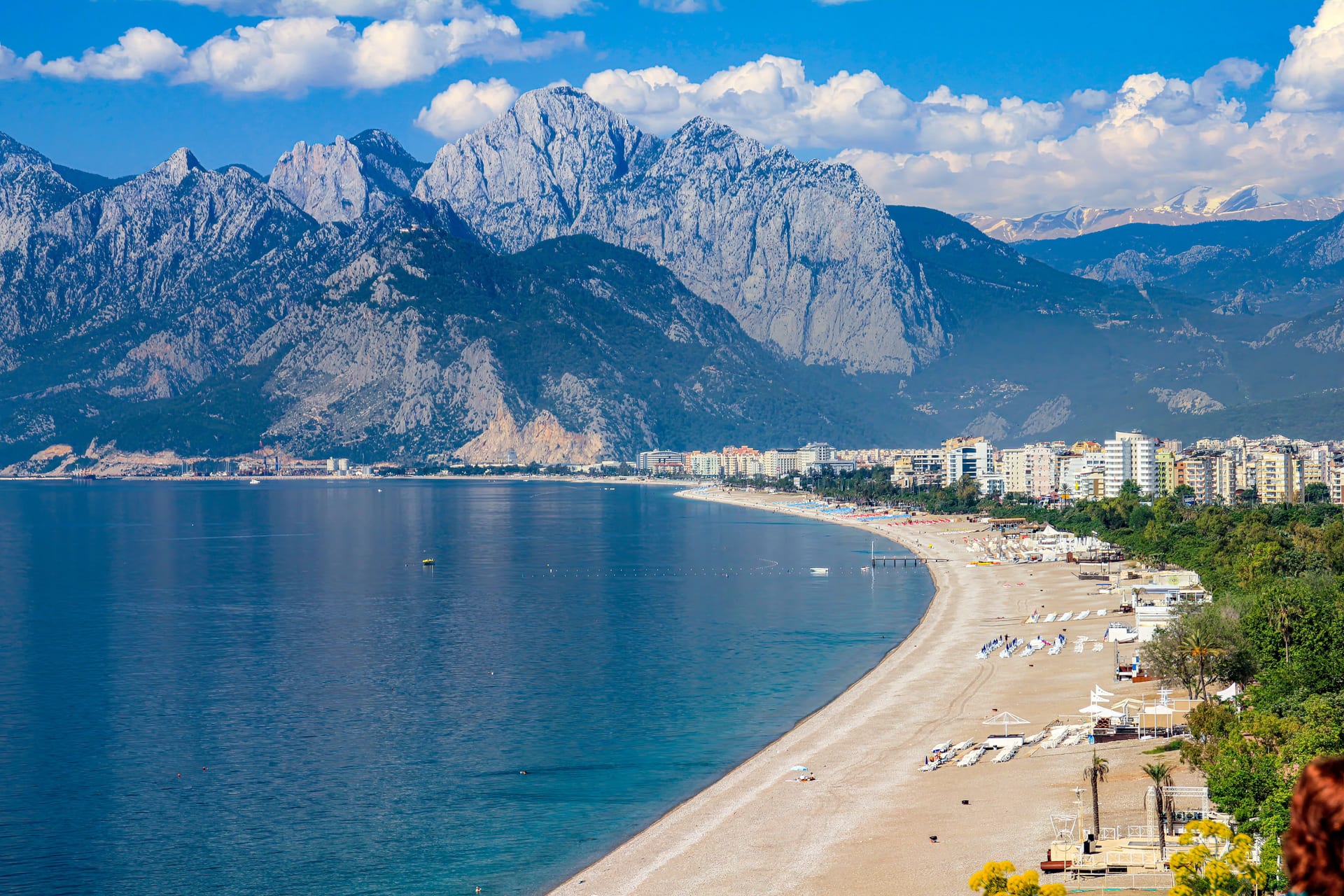
Everyday costs sit near the bottom of the scale, well under Istanbul, so outside savings stretch easily along this southern coast. The old town, waterfront and marina carry a real promenade life, and the beaches and seasonal markets cost nothing, though much of it ebbs off-season.

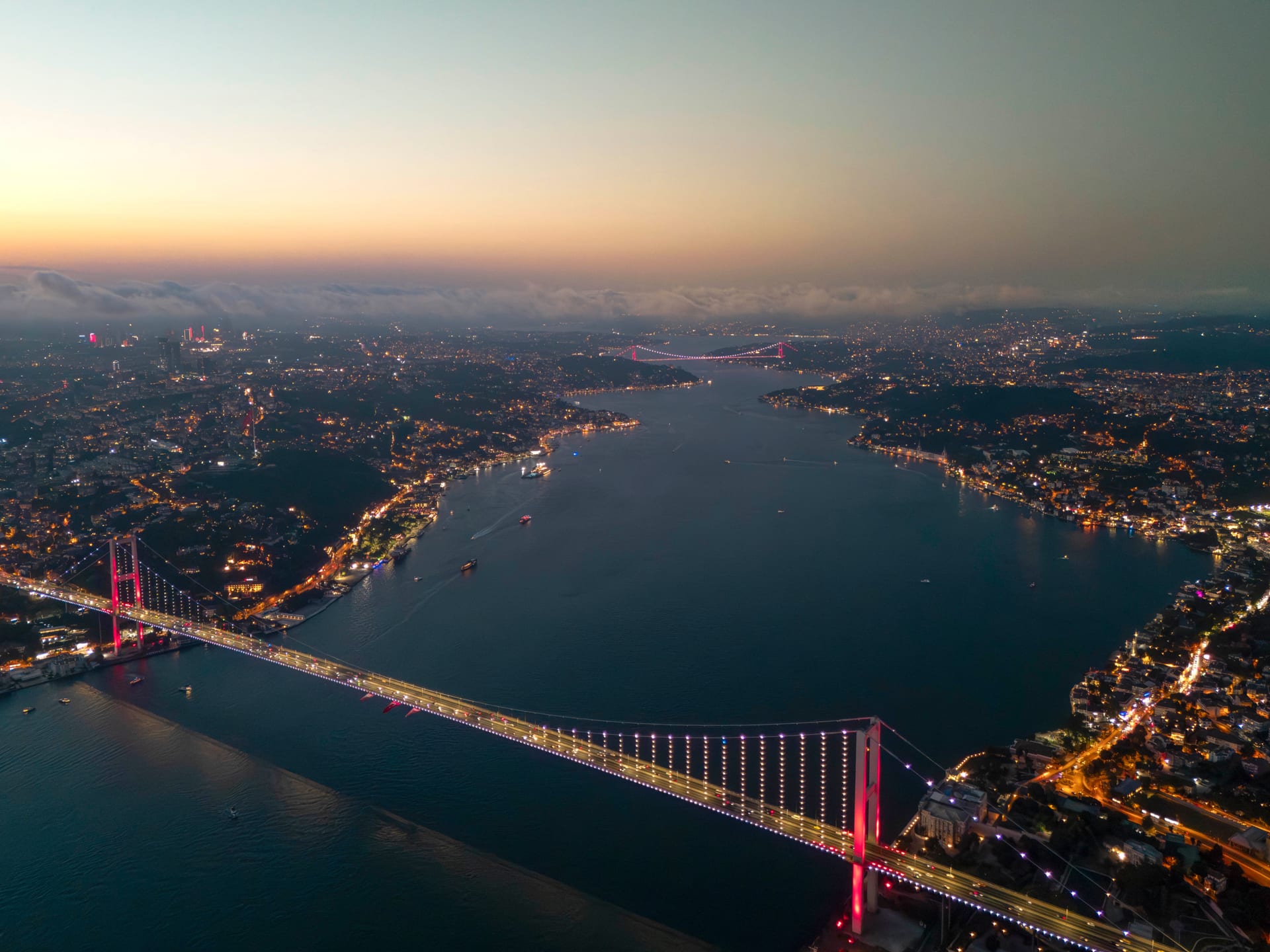
A vast city straddling Europe and Asia, where the cost of living lands far below most European capitals and the cultural life runs deep. Day-to-day rents are cheap, the food scene is extraordinary, and the pace is relentless.

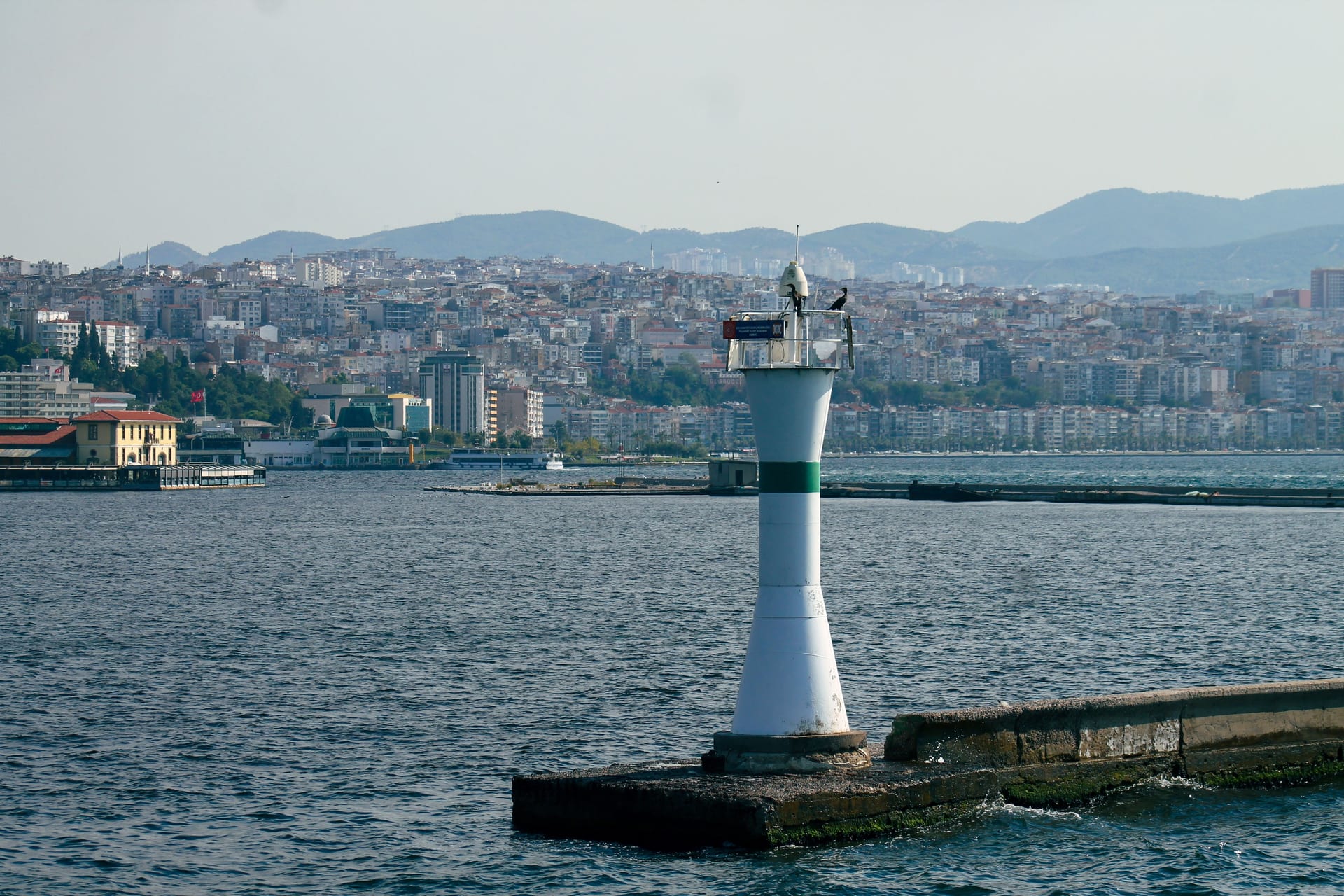
İzmir offers a relaxed Aegean base where living costs stay low, the Kordon promenade and walkable squares anchor daily public life, and the seafront and markets are free. Turkish is essential beyond tourist circuits, while a bright coastal climate suits outside income better than local career acceleration.

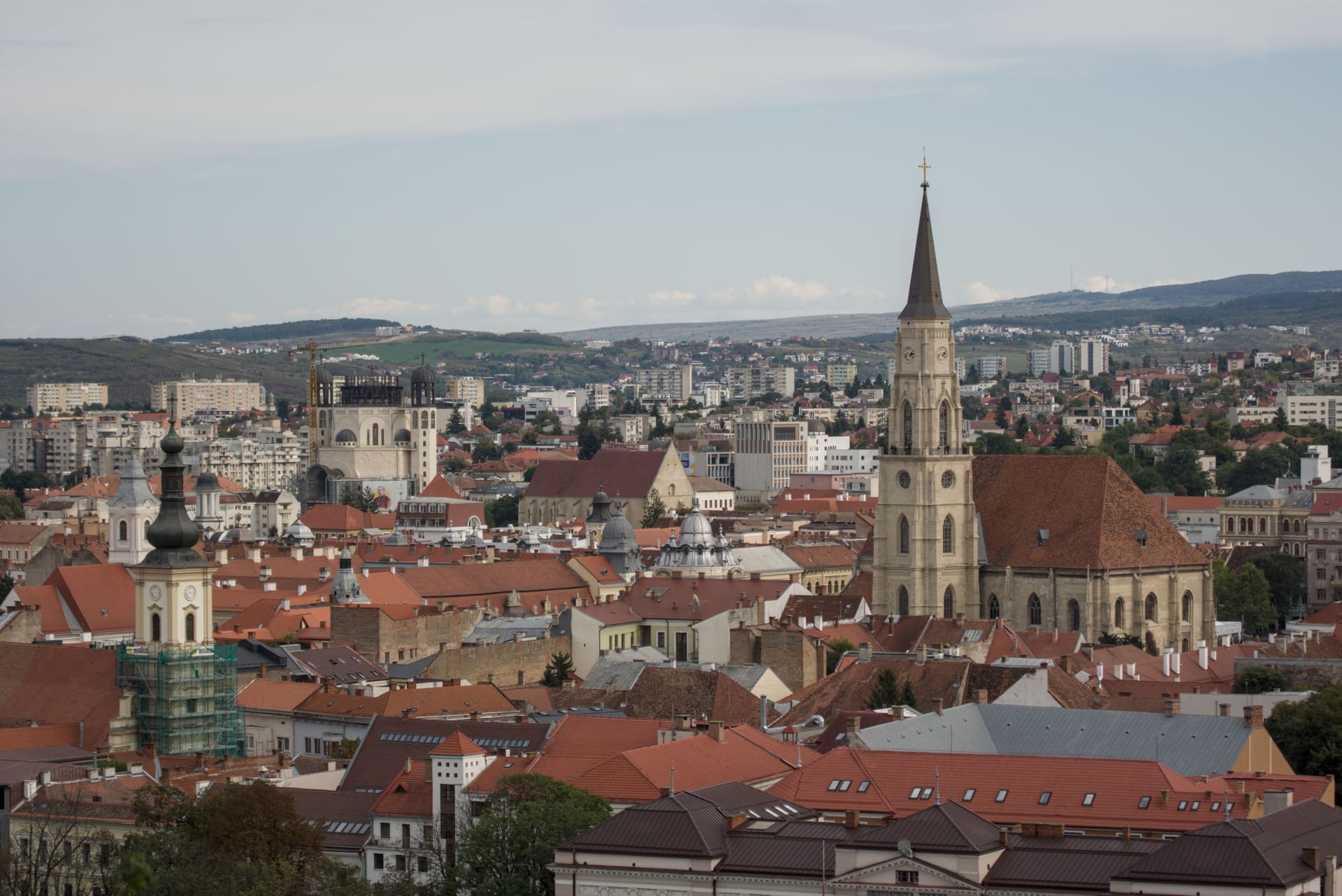
An income earned abroad carries a wide cushion here, since rent, groceries and eating out run well below Bucharest and far under Warsaw or Prague. Transylvania's tech and university hub keeps a walkable core around Union Square and a cheap student calendar of festivals like Untold.

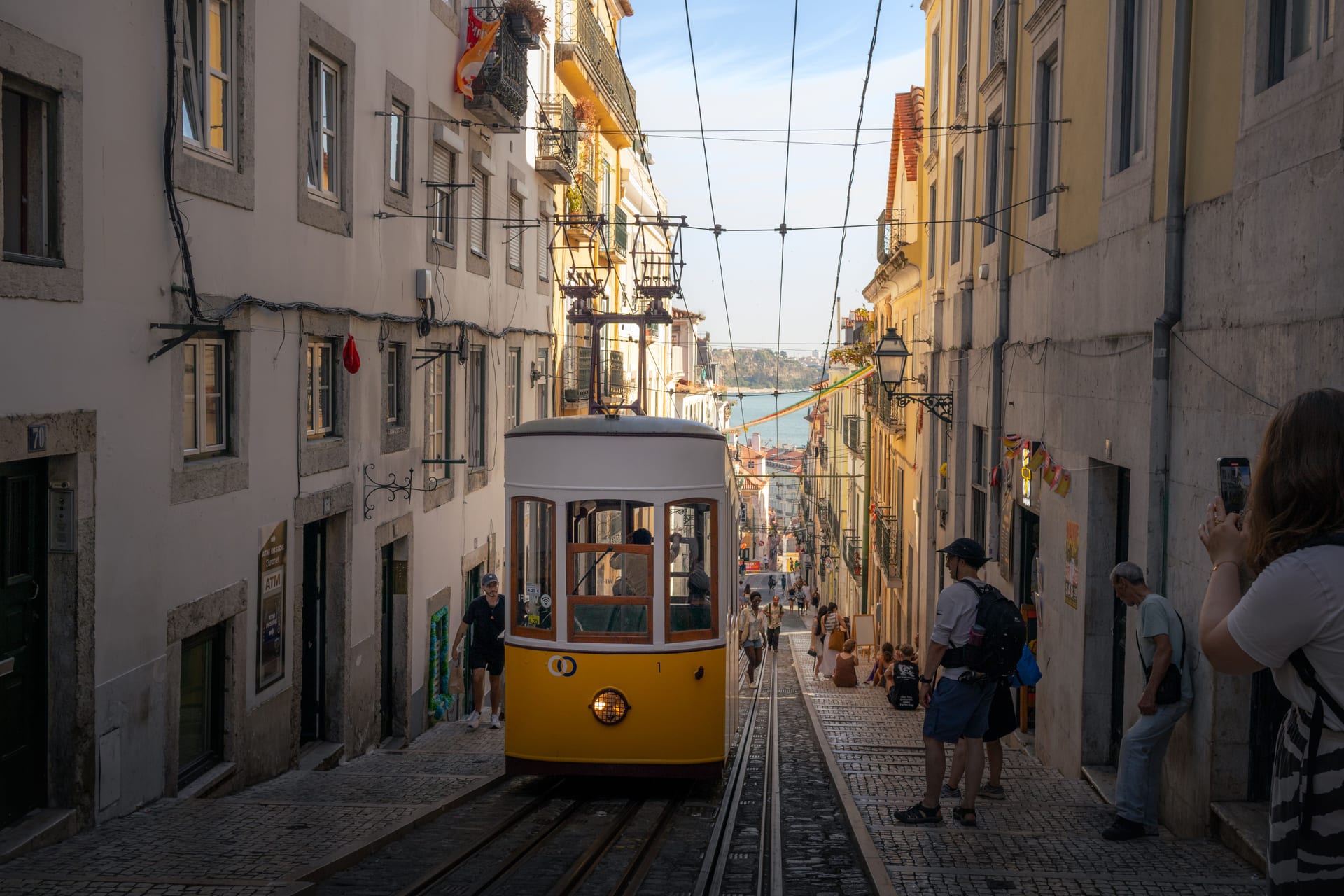
Portugal's capital offers mild weather, plenty of bright days, and an unusually strong base for remote work. The local market is thinner and typical local employee pay is middling, so the city's appeal depends heavily on where income comes from.

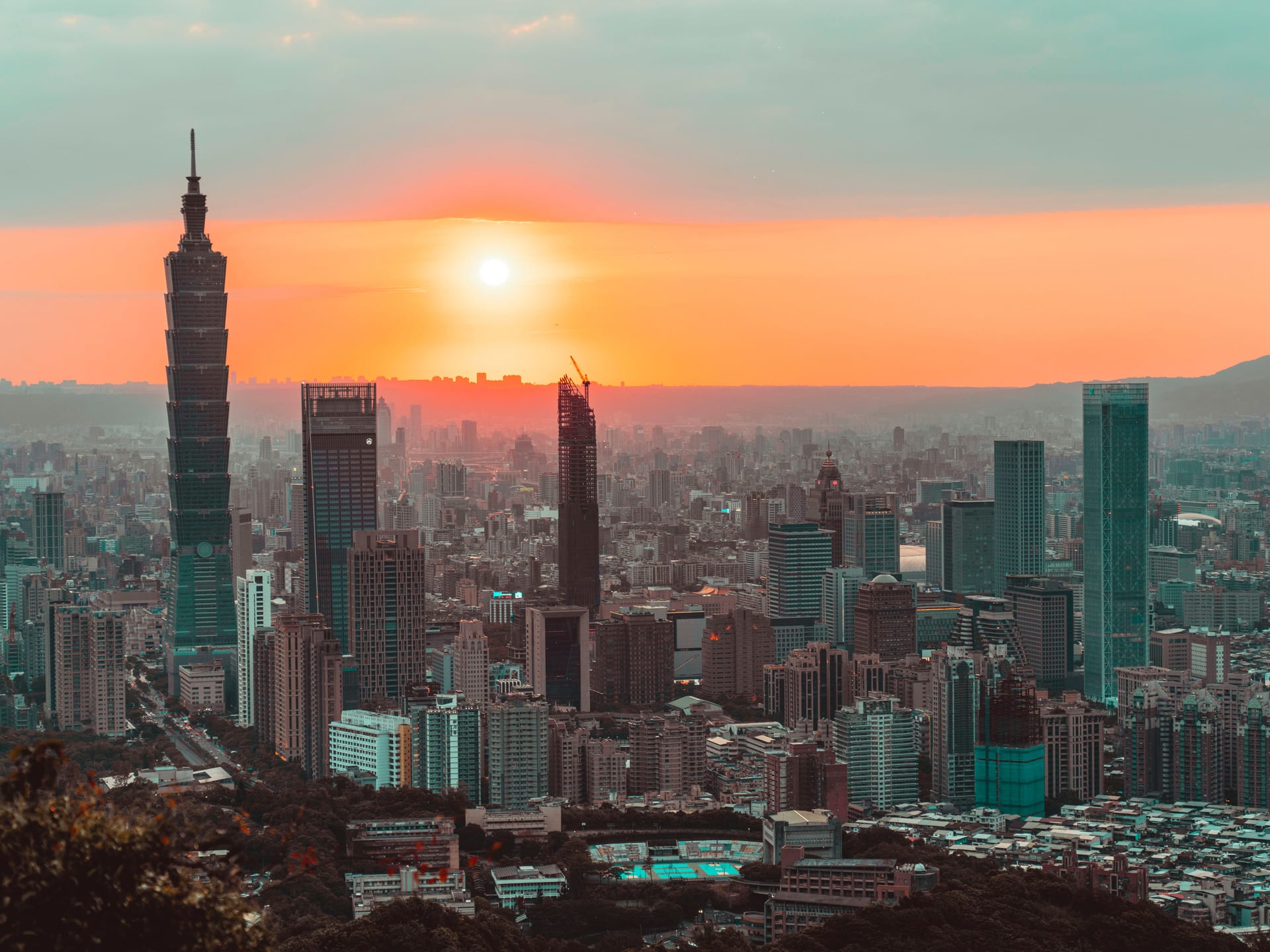
Taipei's MRT is clean and punctual enough to make a car unnecessary, and reliable internet plus good intercity rail round out the setup. Rents and especially street food cost far less than Tokyo or Seoul, so an outside income goes far, and taxes stay light.

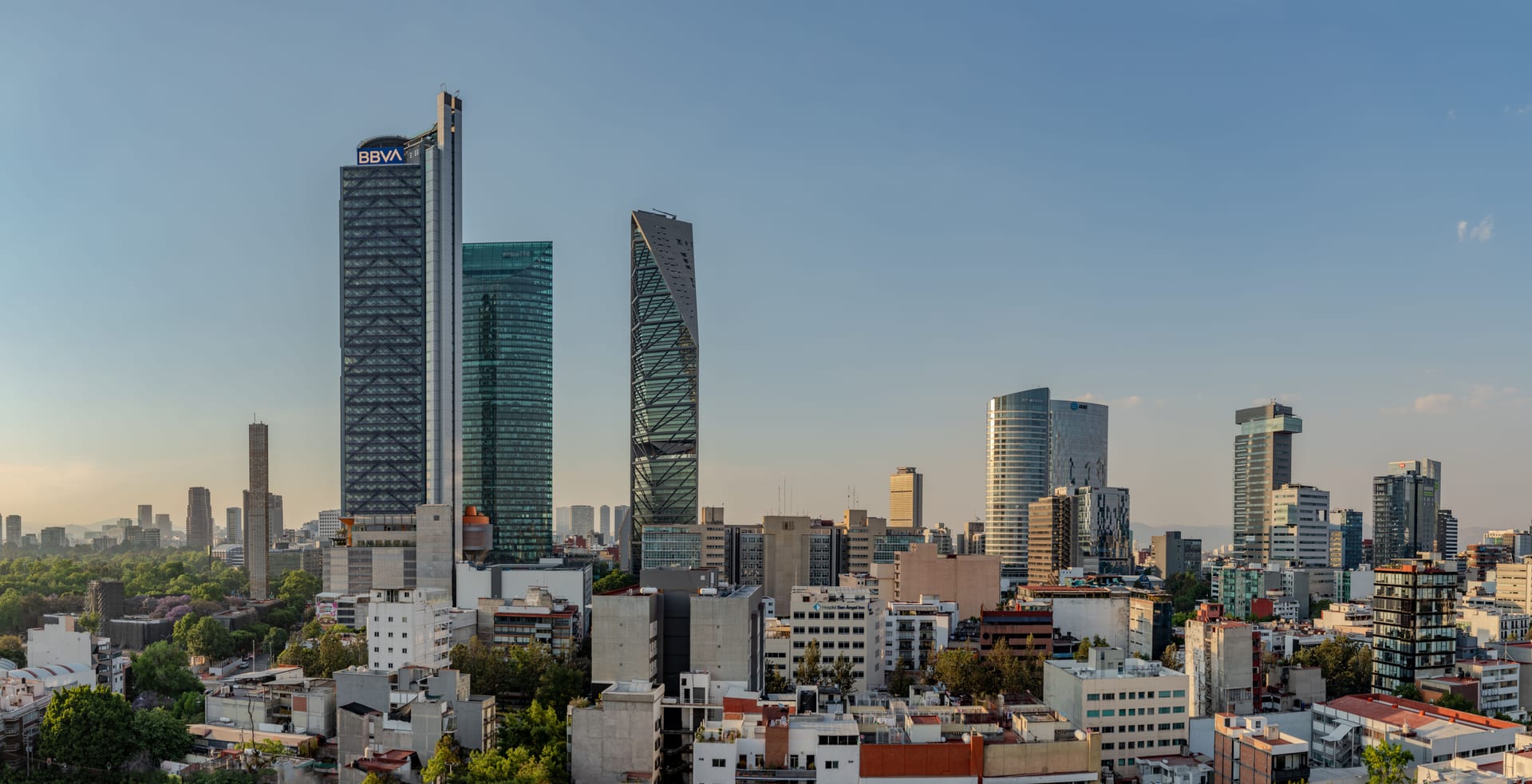
One of Latin America's great capitals, Mexico City runs on cheap rent, world-class food, and a cultural depth few cities in the region match. It is also vast, congested, and uneven on safety.

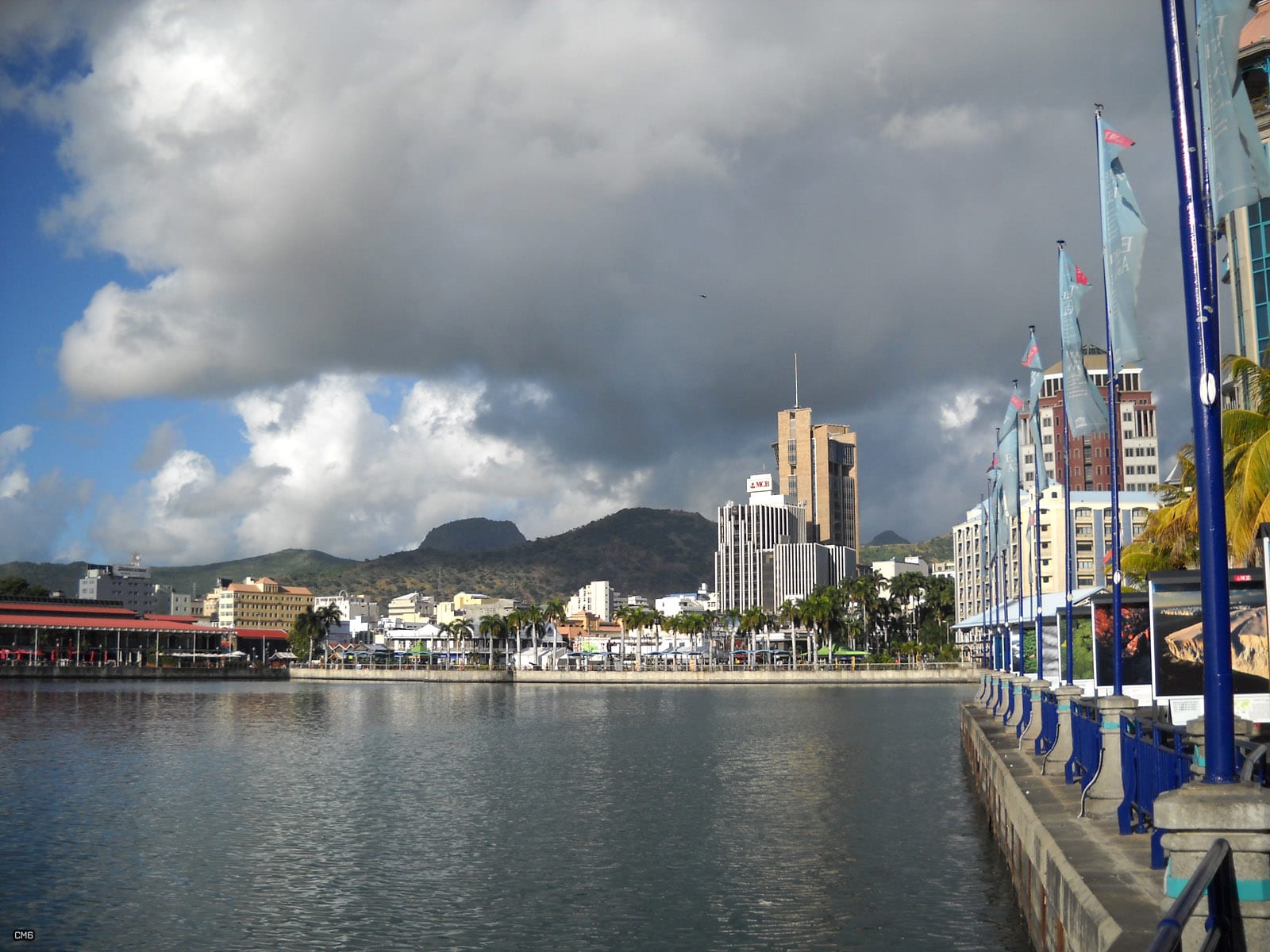
Few capitals are cheaper day to day than Port Louis, where rent, groceries and eating out sit at the affordable end and taxes are light. English works alongside French and Creole, so newcomers face almost no language barrier, and a genuinely mixed society makes finding a footing easier than most places.