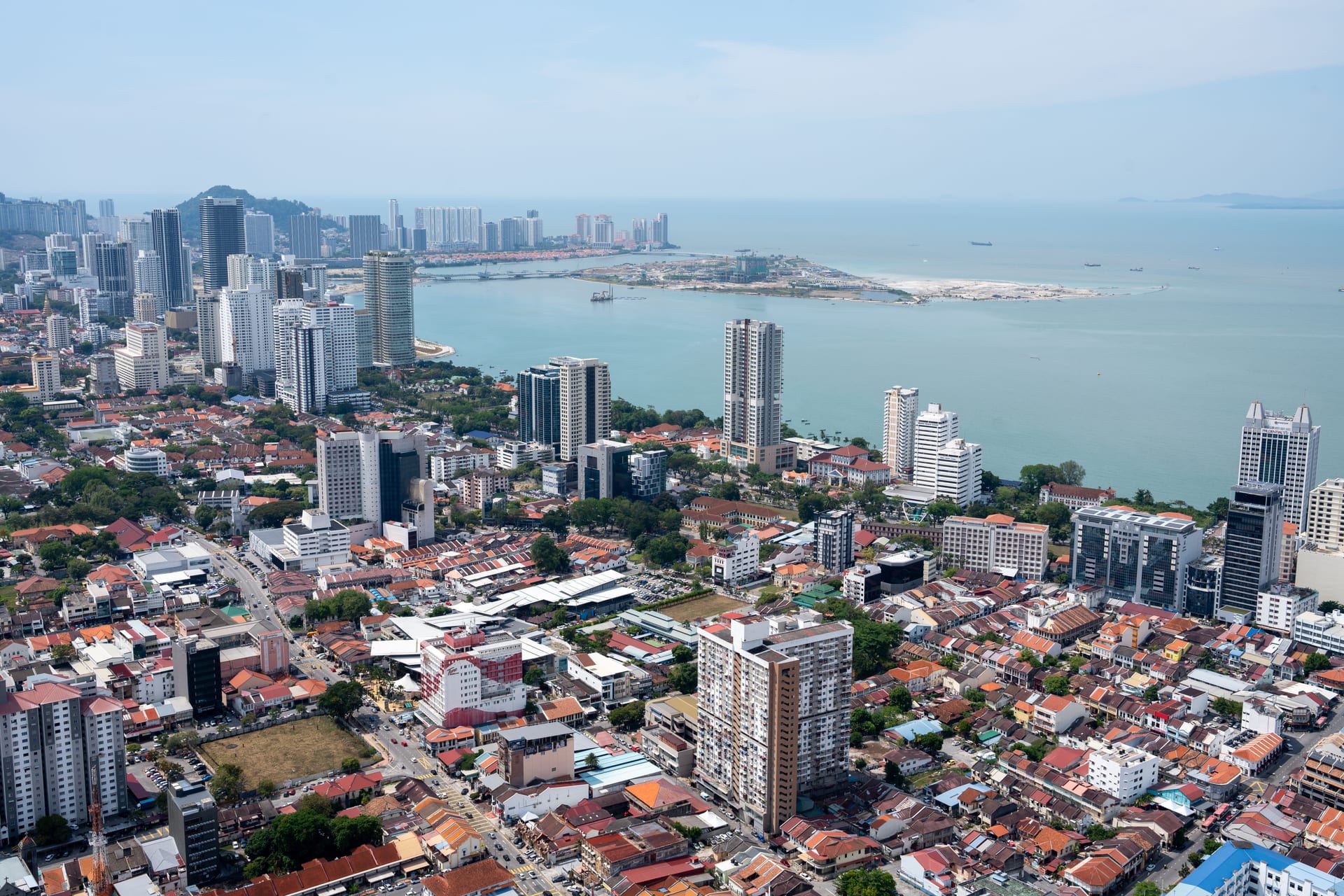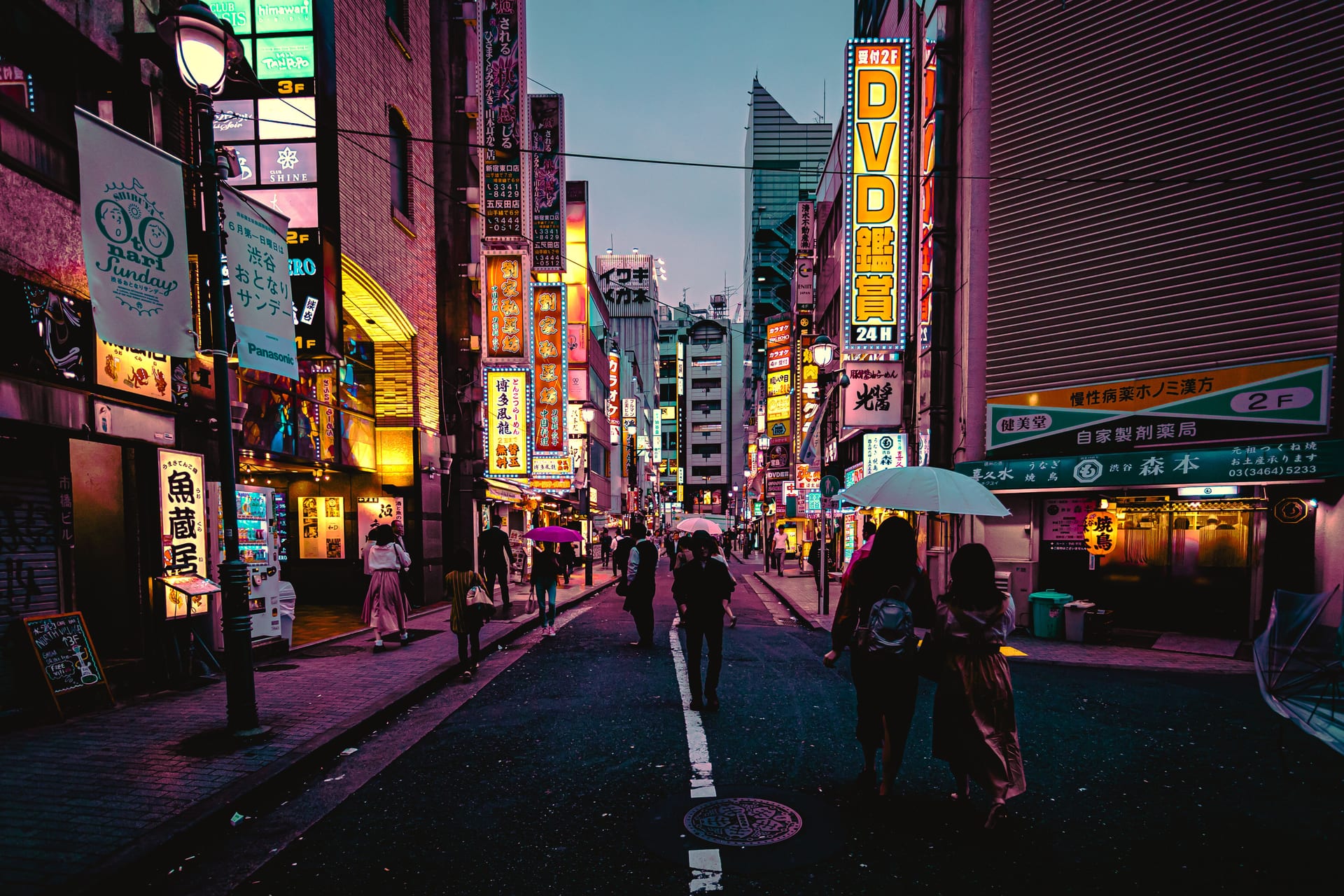
Tokyo runs on order and quiet competence: trains to the second, streets that feel safe at any hour, and food at every price point. For all its scale it costs less to rent and eat here than in Seoul or much of Western Europe.
Here, you can get to work, buy groceries, meet friends and get home after a late dinner on foot, by bike or on public transport. That changes the cost of living and the way a city feels every day.
At no extra cost to you, we may earn a commission when you buy through affiliate links on this page.

Tokyo runs on order and quiet competence: trains to the second, streets that feel safe at any hour, and food at every price point. For all its scale it costs less to rent and eat here than in Seoul or much of Western Europe.

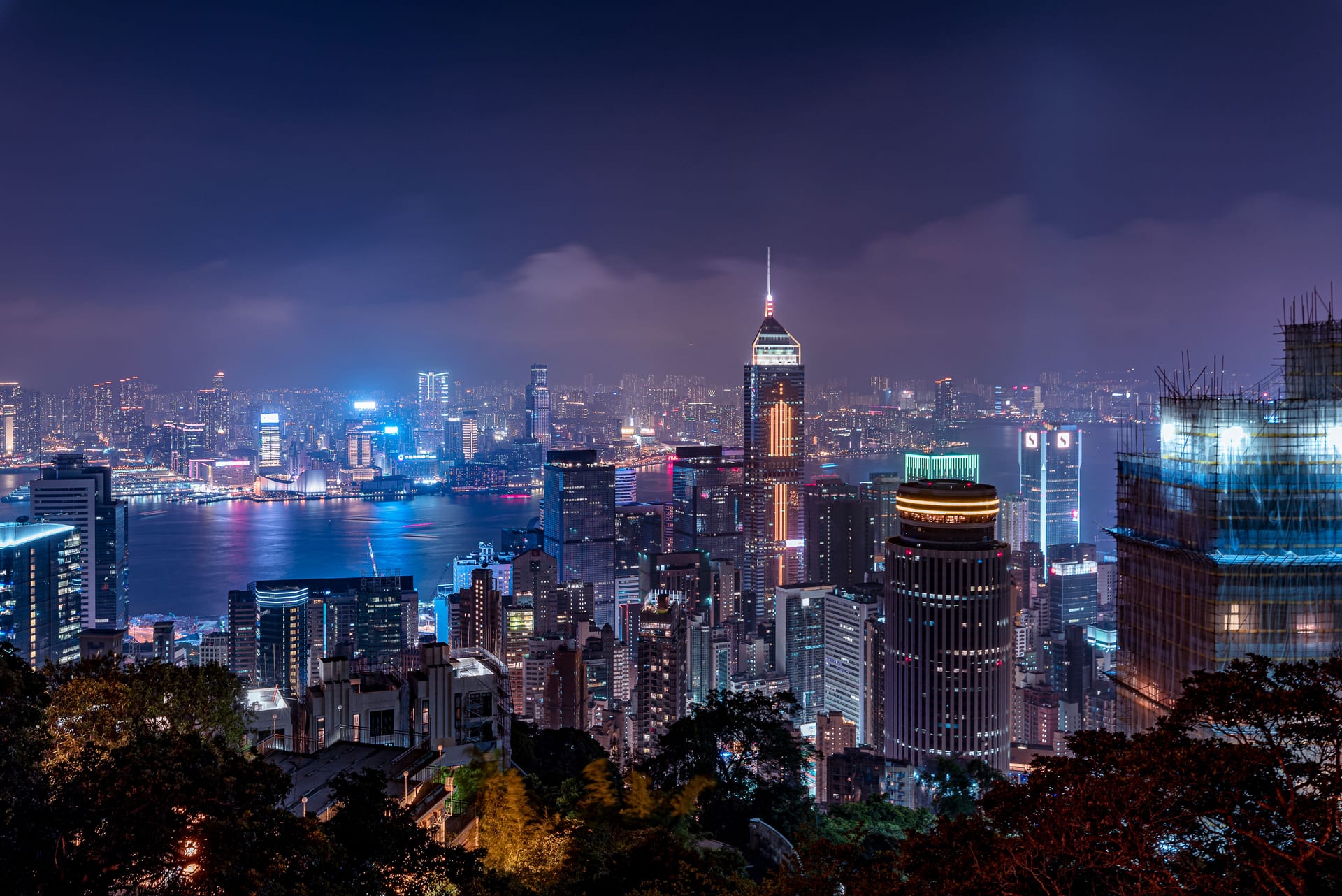
A vertical, hyper-efficient city where the financial centre runs up against forested hills and outlying islands. Like Singapore, it rewards career ambition and pays for it in space and money, but Hong Kong is louder, denser, and more chaotic, with a harder edge to daily life.

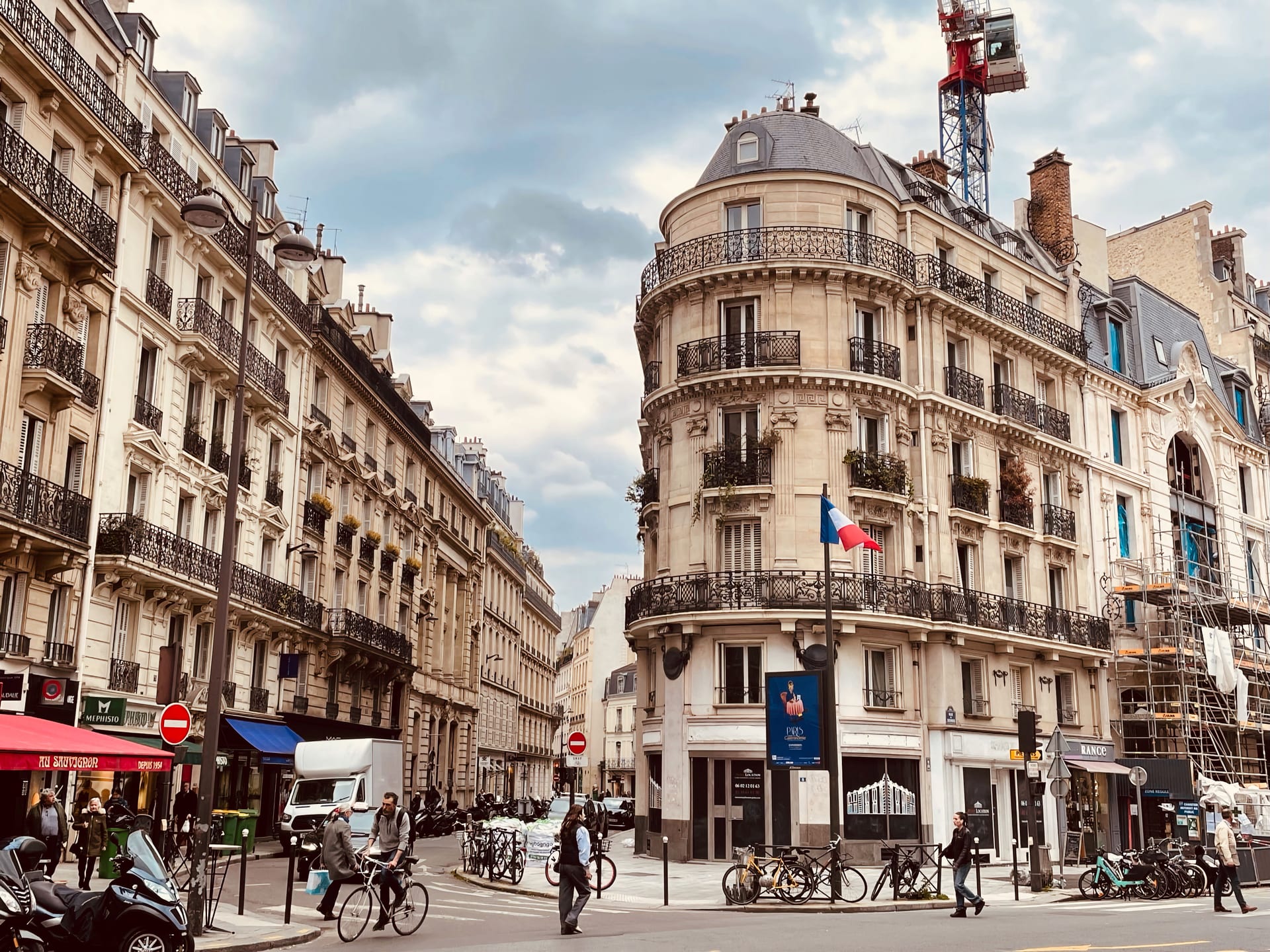
Paris is dense, walkable, and built for life on foot or by metro, with a cultural depth few cities anywhere can match. It is also expensive and famously short on space, the kind of place where a small apartment is the price of admission.

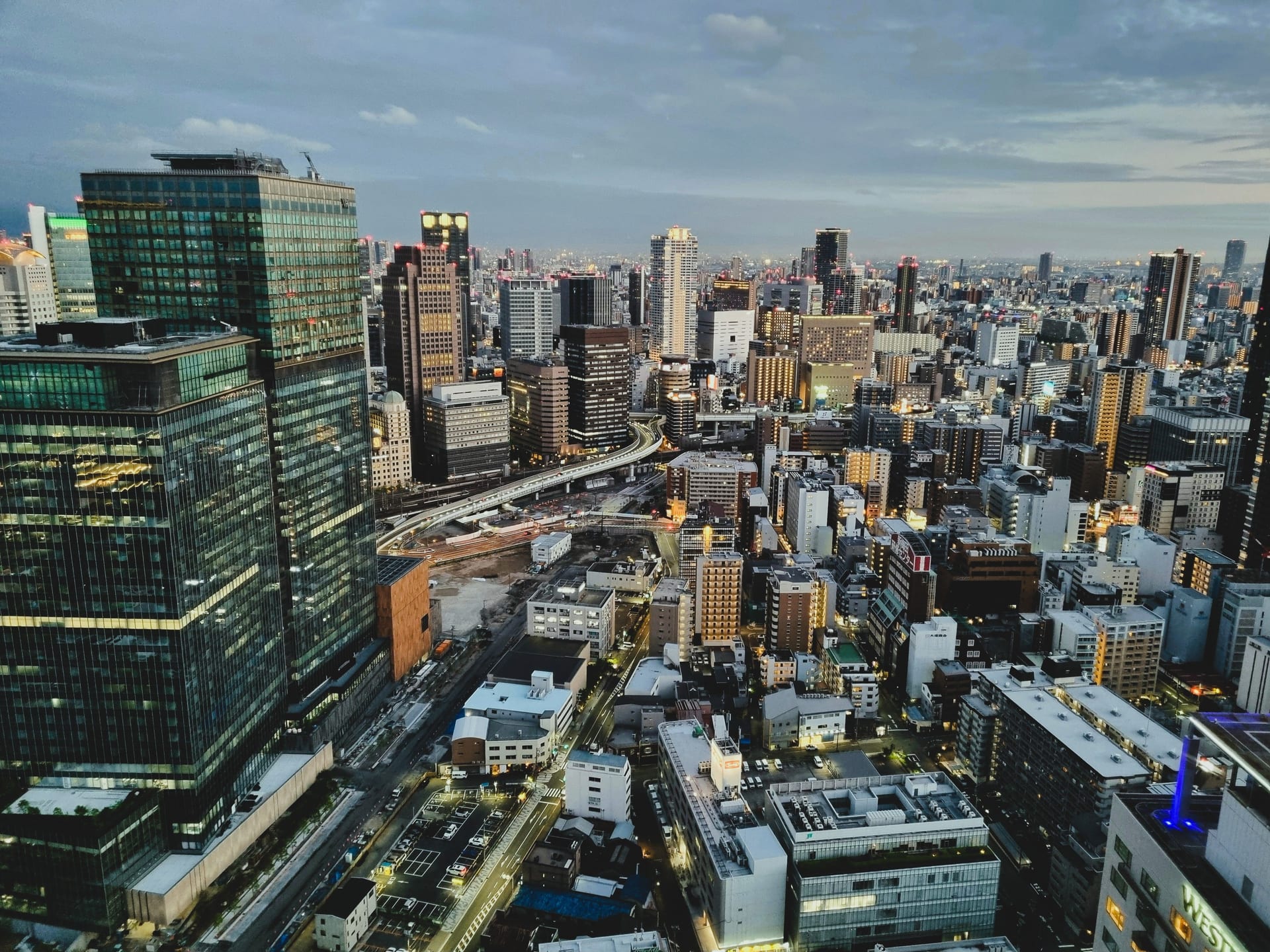
Japan's second city runs cheaper and looser than Tokyo, with a famously direct, food-obsessed local character. Daily life is safe, walkable and well-served by trains, though the language wall and a work culture that still prizes long hours shape what settling in actually feels like.

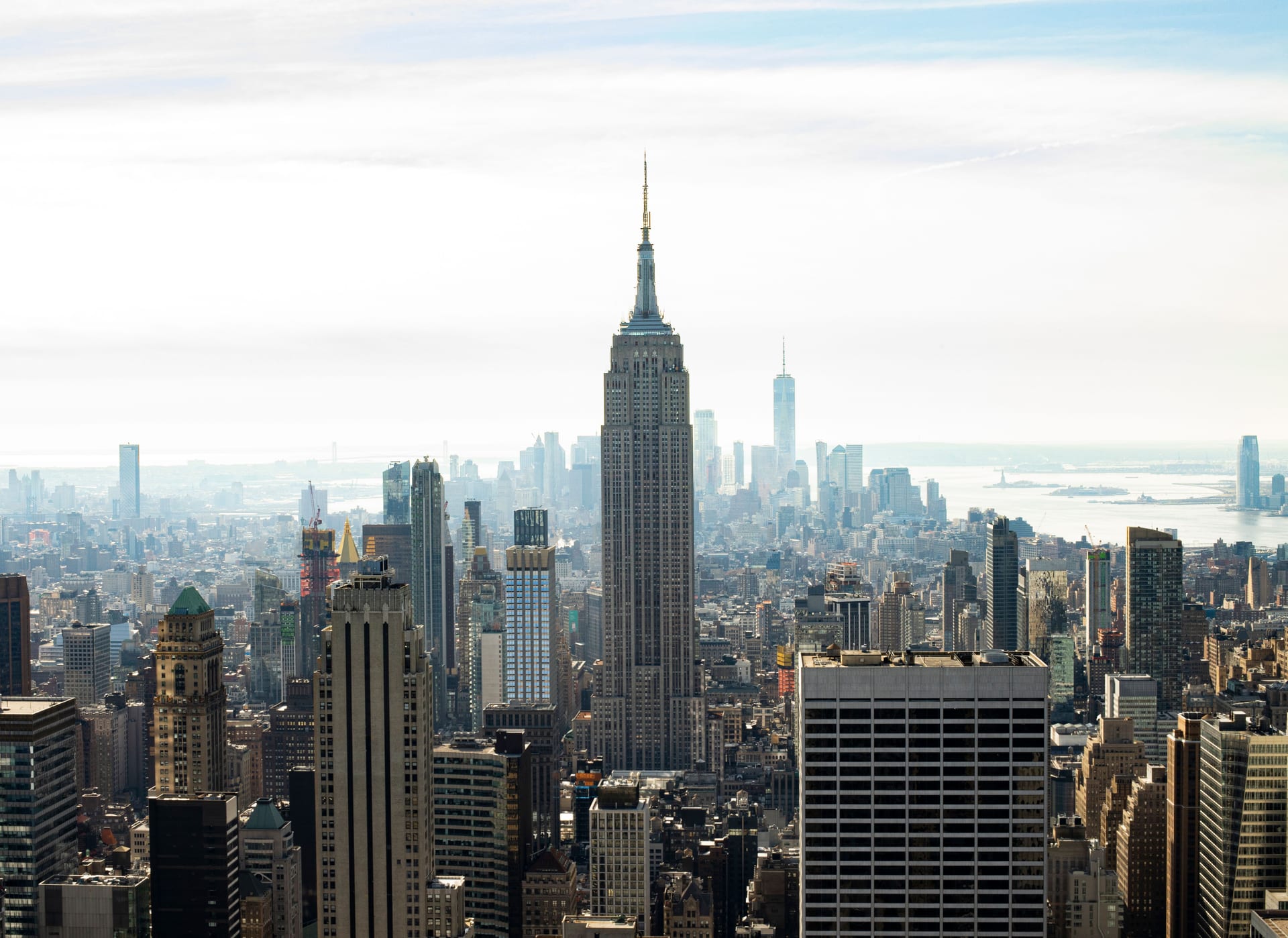
New York runs at a speed few places on earth can match, with a density of work, culture, and ambition packed into one walkable archipelago. It is the most expensive major city in North America, and rent shapes nearly every other decision a resident makes.

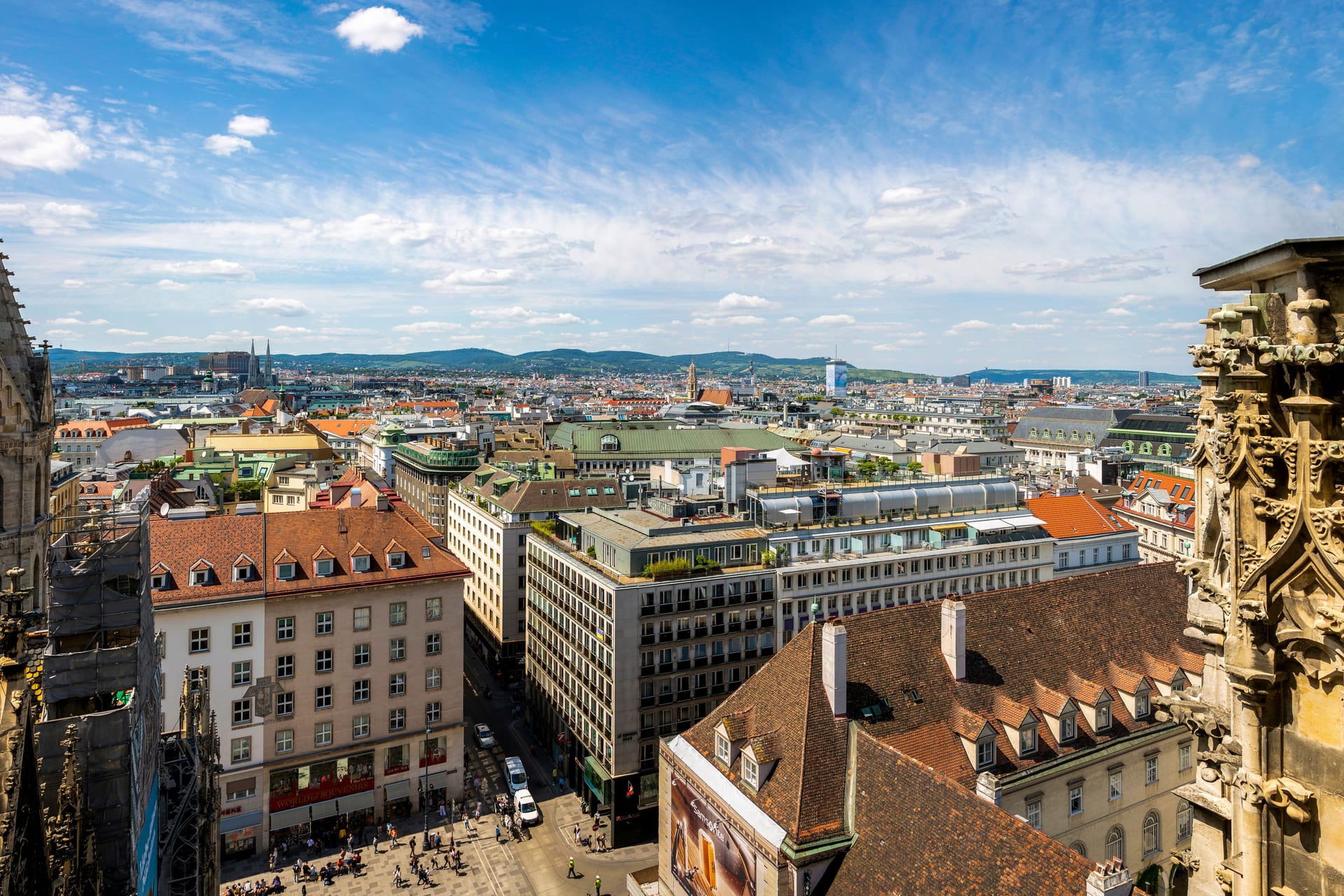
Austria's capital runs on order, quiet, and a deep cultural inheritance. Life here is calmer and more buttoned-up than Berlin, the city most newcomers measure it against, with rents that come in lower and public services that simply work.

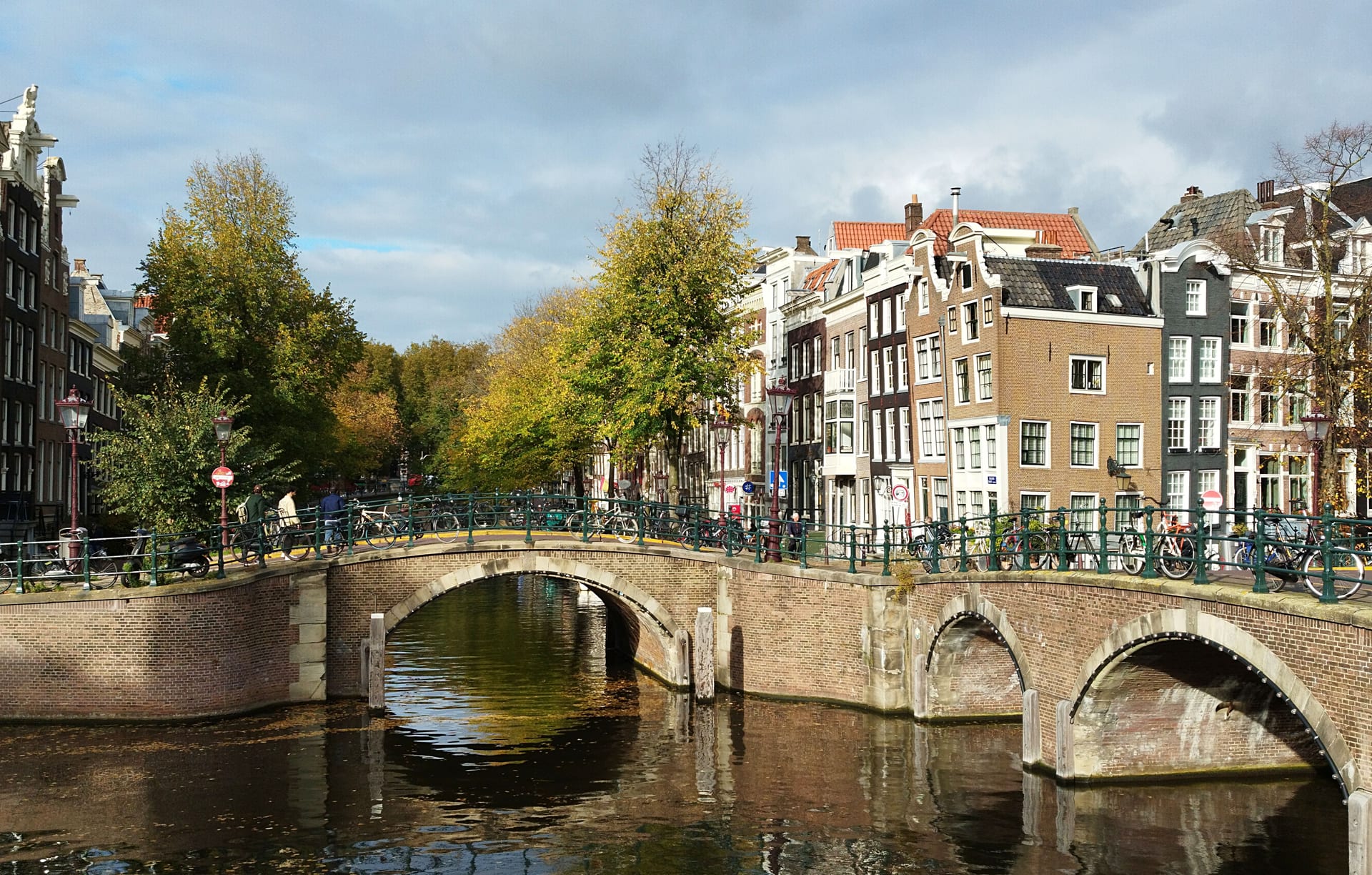
Amsterdam is a compact, walkable canal city where the bike is the default way to move and English carries through daily life. It runs costlier and more international than most Dutch cities, with Rotterdam and Utrecht offering a calmer, cheaper alternative.

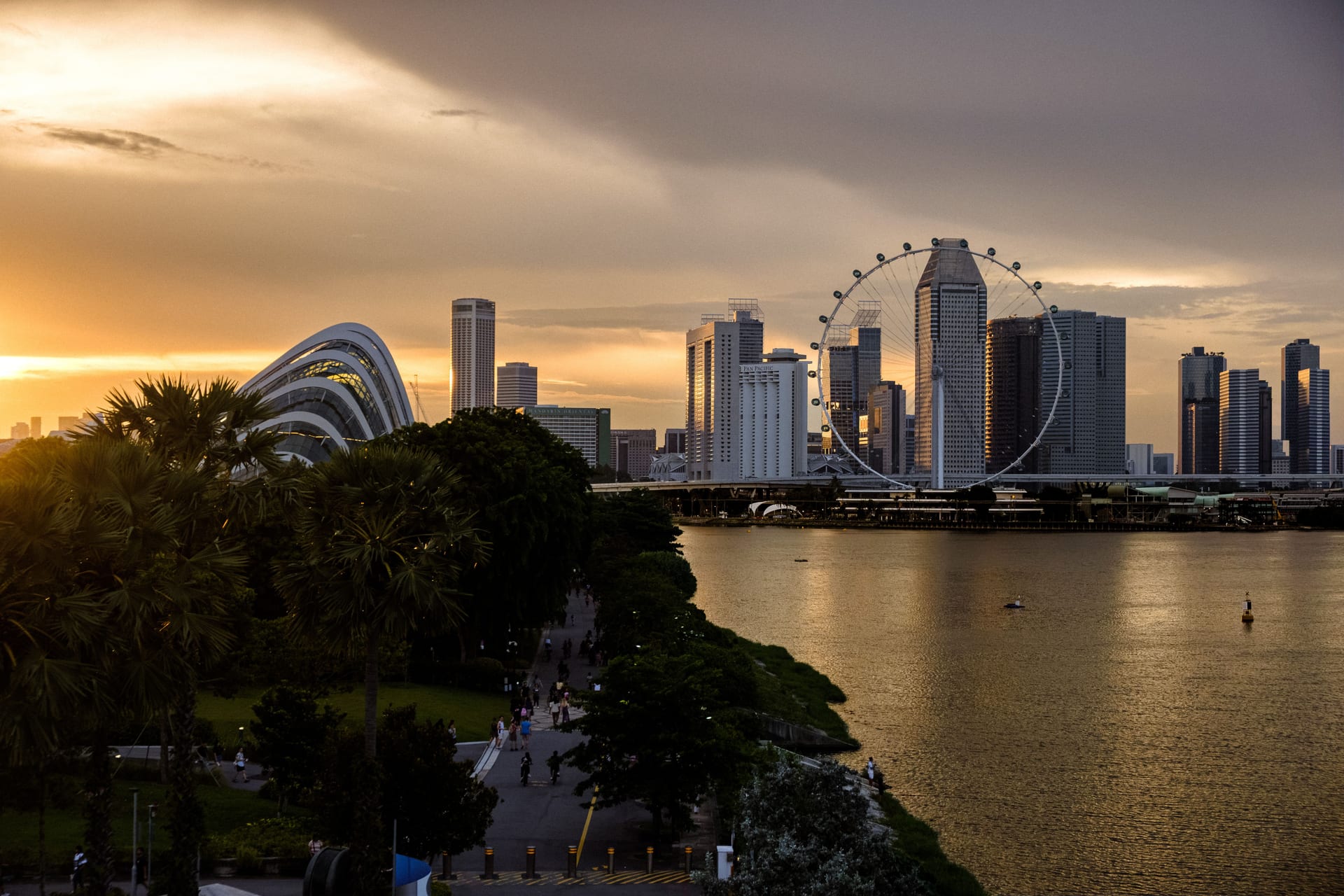
Singapore is the most polished city-state in Asia, an English-speaking financial hub that runs with a precision Hong Kong can no longer match. Everything works, the streets feel safe at any hour, and the food is extraordinary.

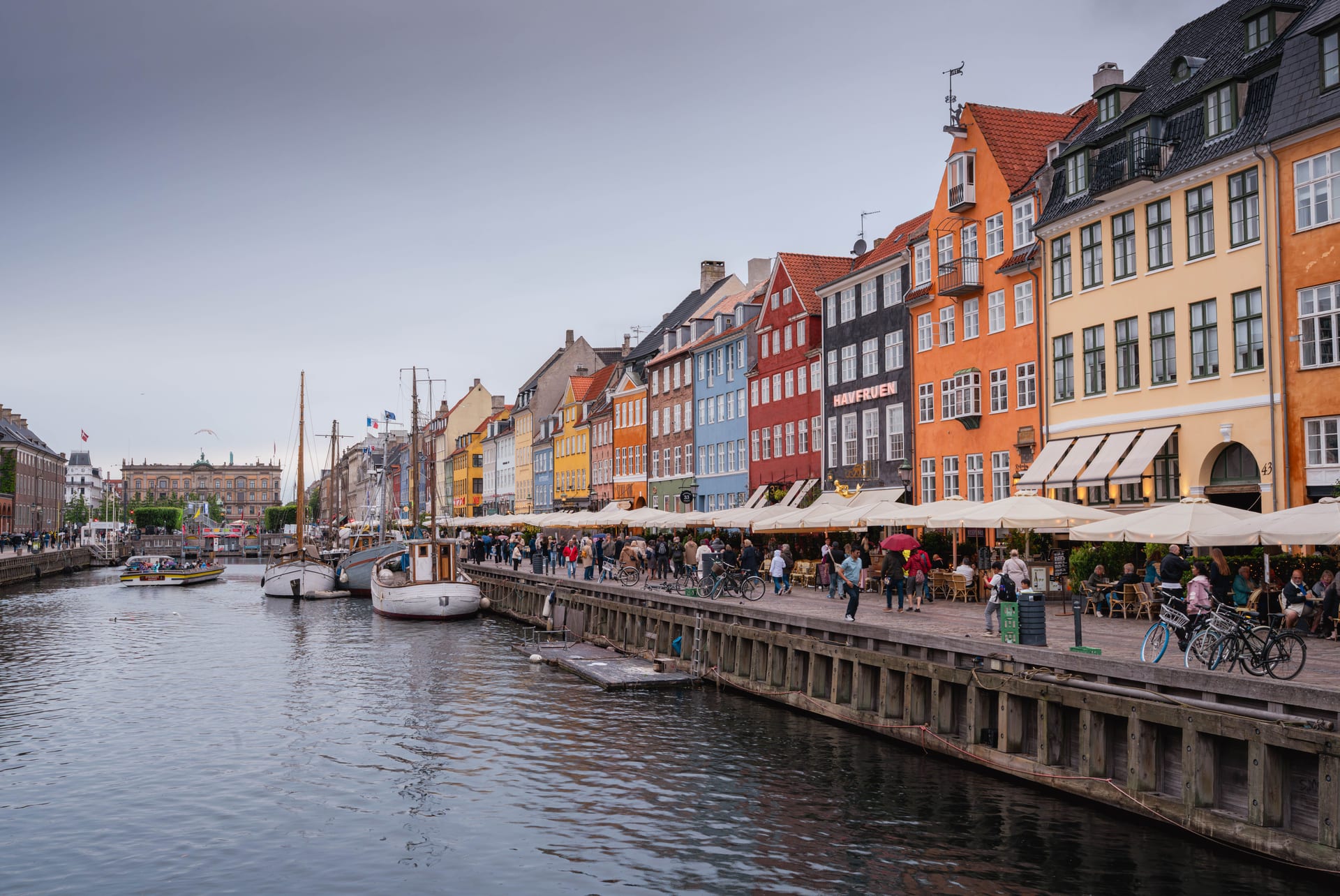
Cool summers and a strong professional base define Copenhagen, where typical local employee pay is relatively high. Bright days are limited and winter darkness is pronounced.

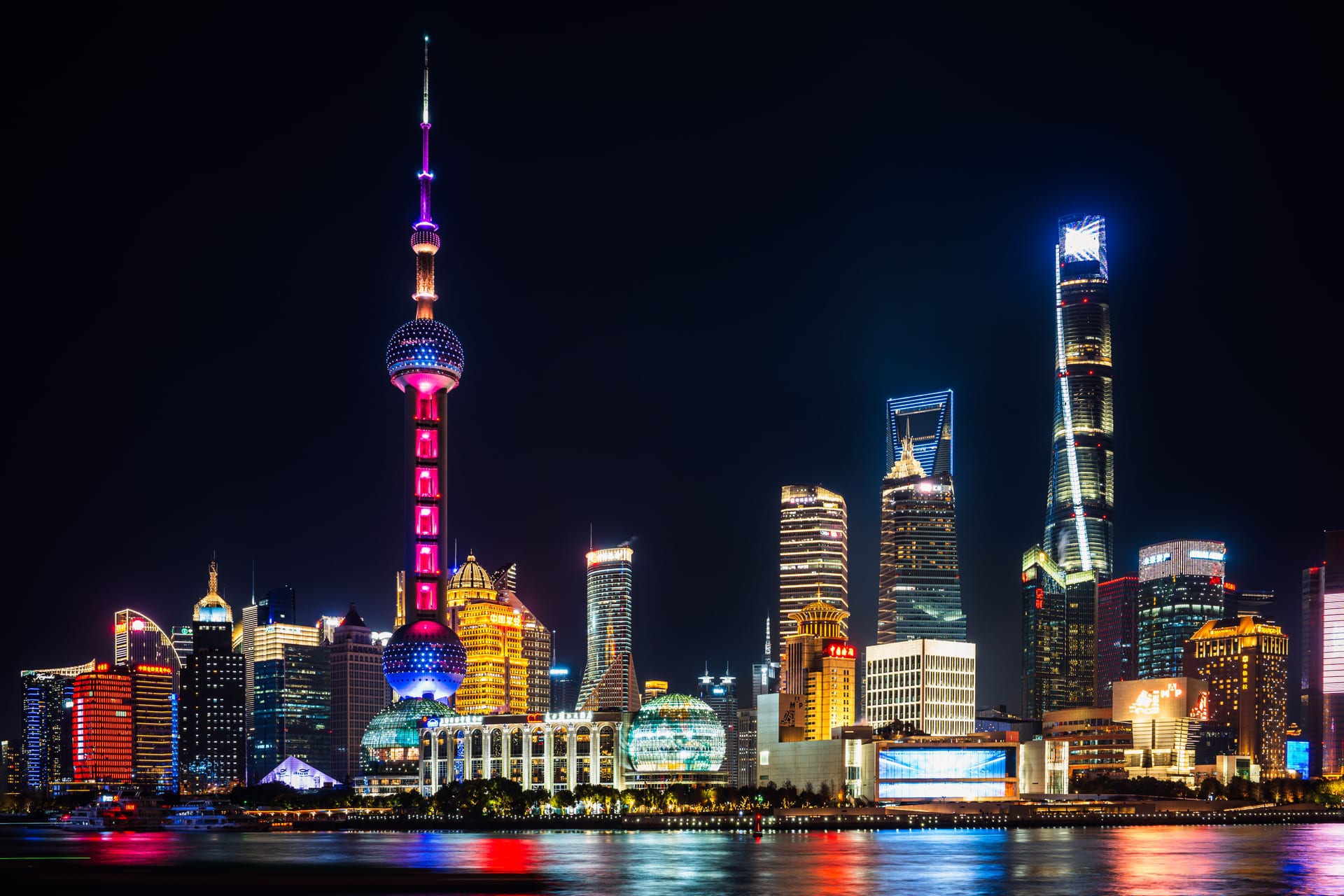
China's commercial capital and one of the planet's largest cities, Shanghai runs at a pace that even rivals Beijing for intensity while staying more cosmopolitan and outward-looking. Daily life is fast, dense, and remarkably cheap for a global metropolis, with world-class transport and food.

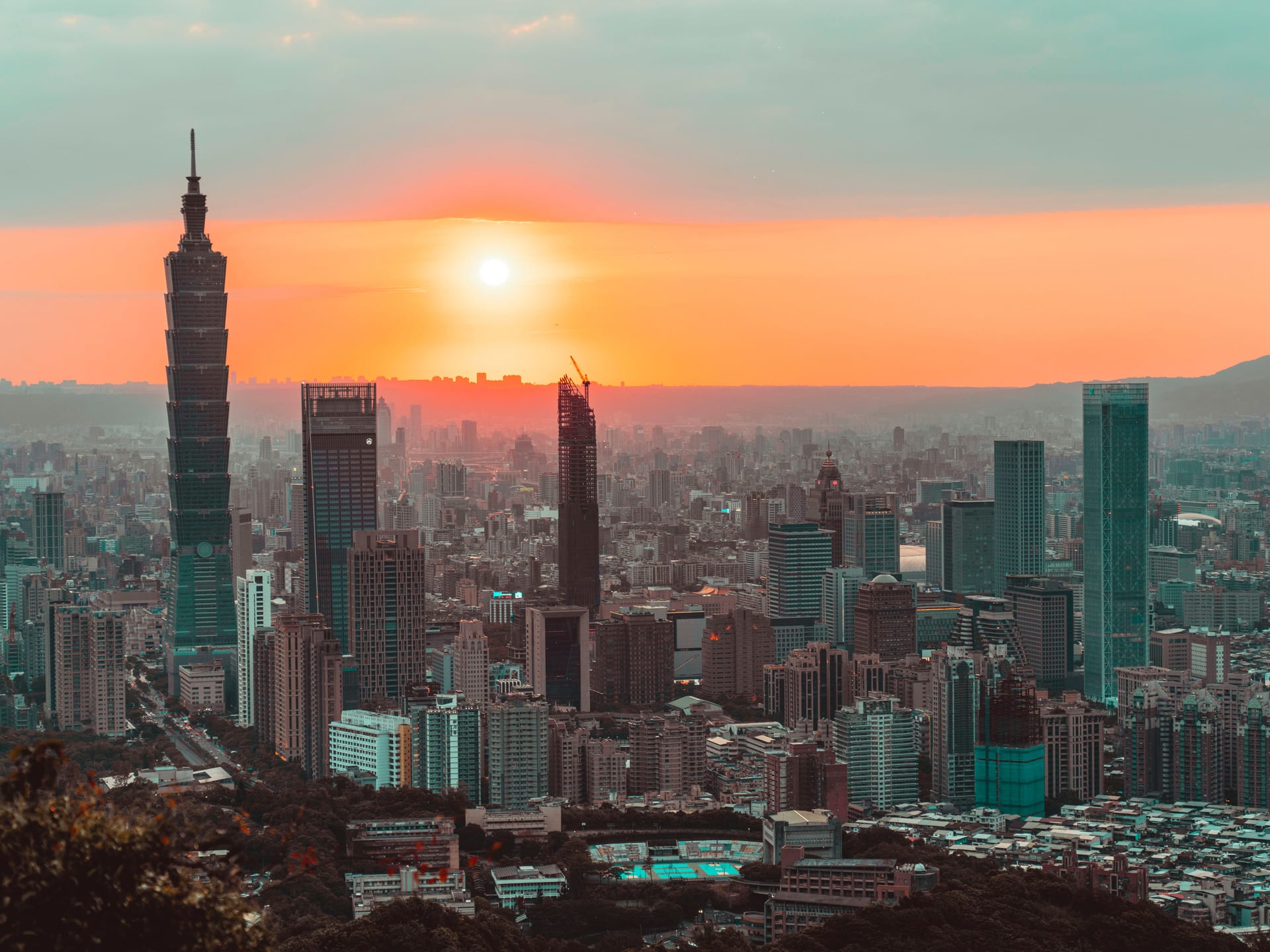
Manageable housing costs, very low violent crime and a strong local economy give Taipei a solid base for daily life. Local pay sits just below the corpus midpoint, while hot, humid summers and frequent grey or rainy days temper the appeal.

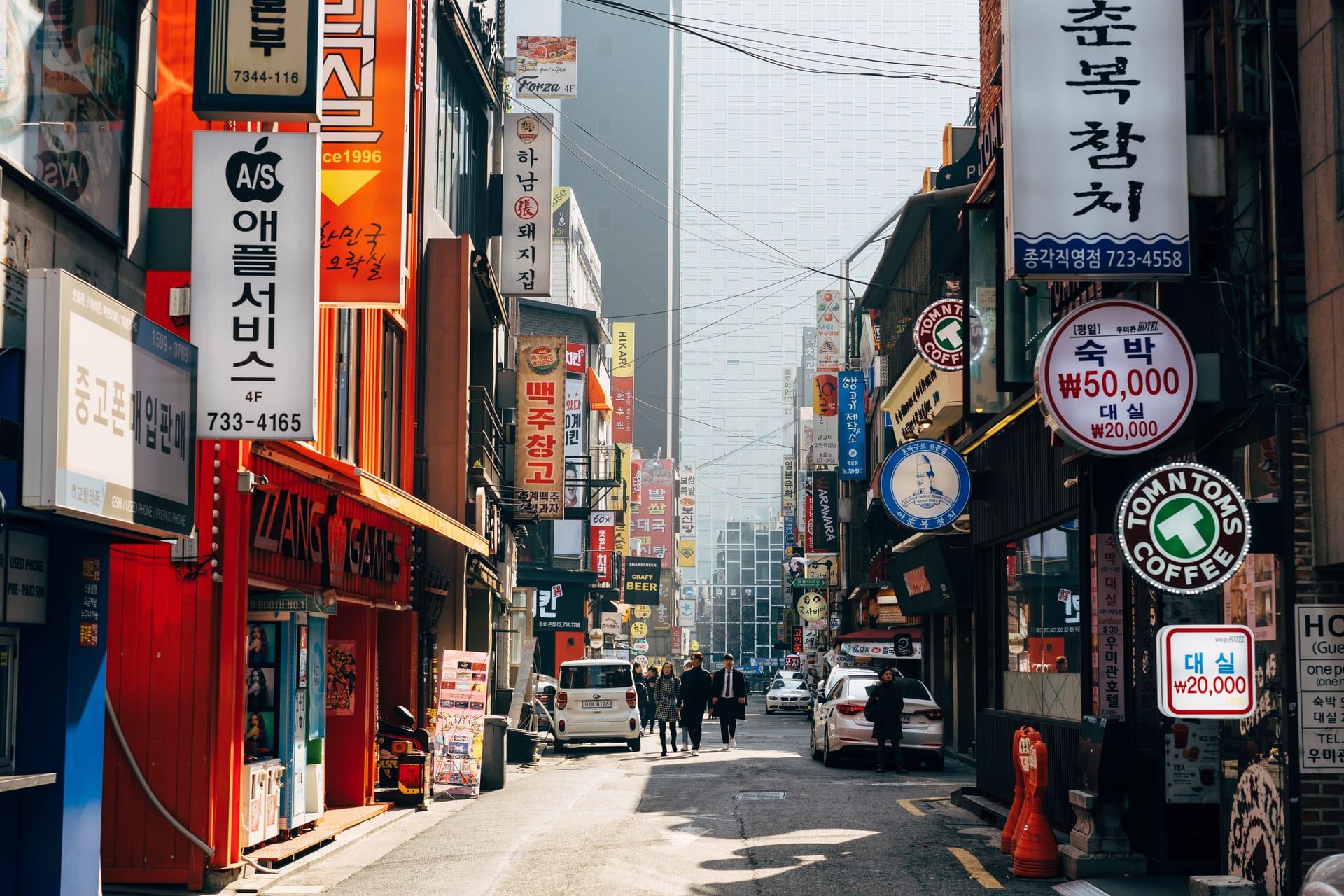
Seoul runs at a tempo few cities match, a dense grid of mountains, subway lines and round-the-clock convenience that rewards people who like a city wired tight. Rent and eating out land cheaper than in most rich-world capitals, and like Tokyo it feels remarkably safe and orderly.

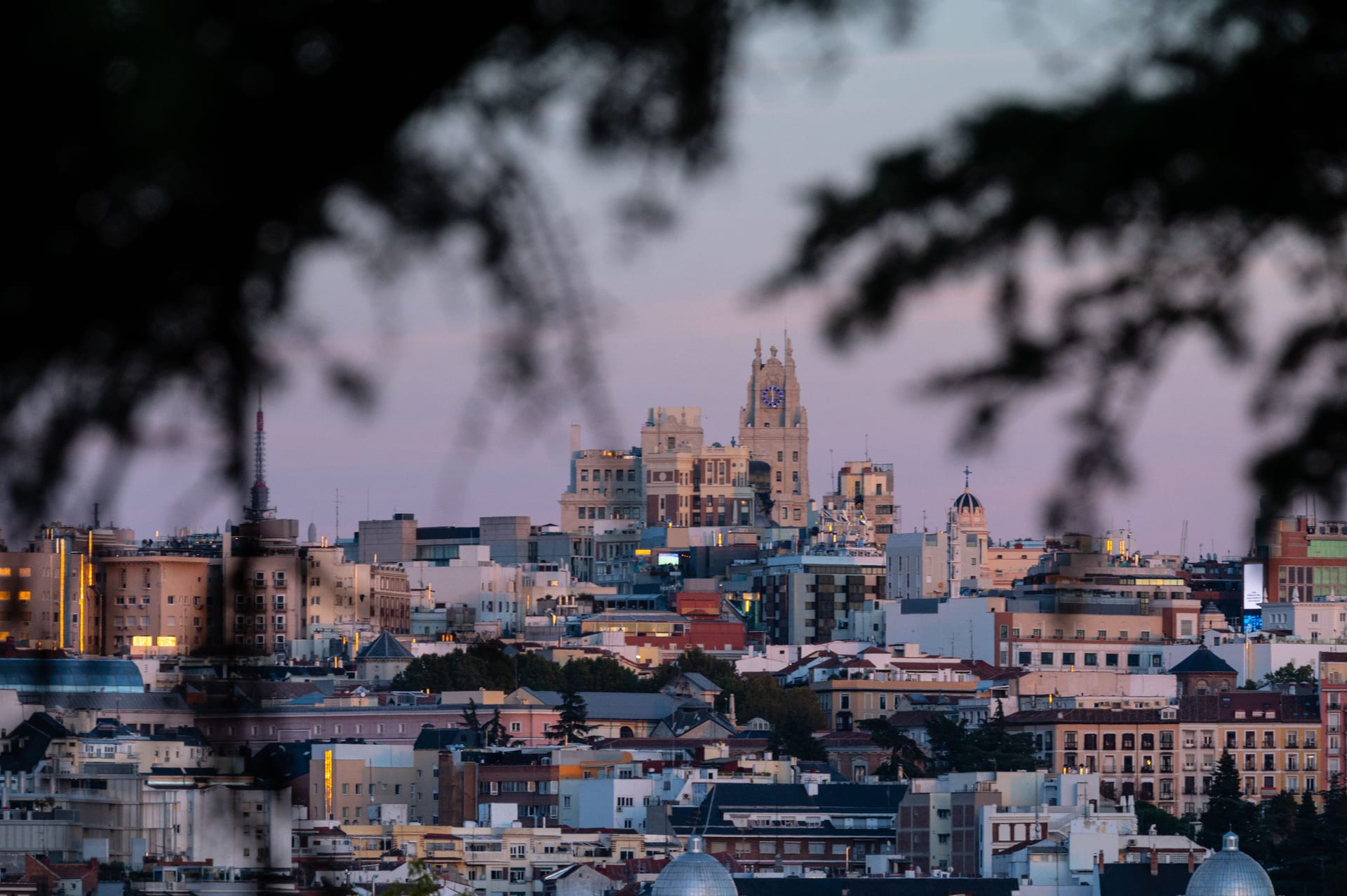
Madrid pairs a long bright season with a serious local job market, and typical local employee pay is on the higher side. Summers are hot, winters are cool, and English-only roles remain limited, so the city's strongest fit is for people who can work in the local market, work remotely, or bring an international role.

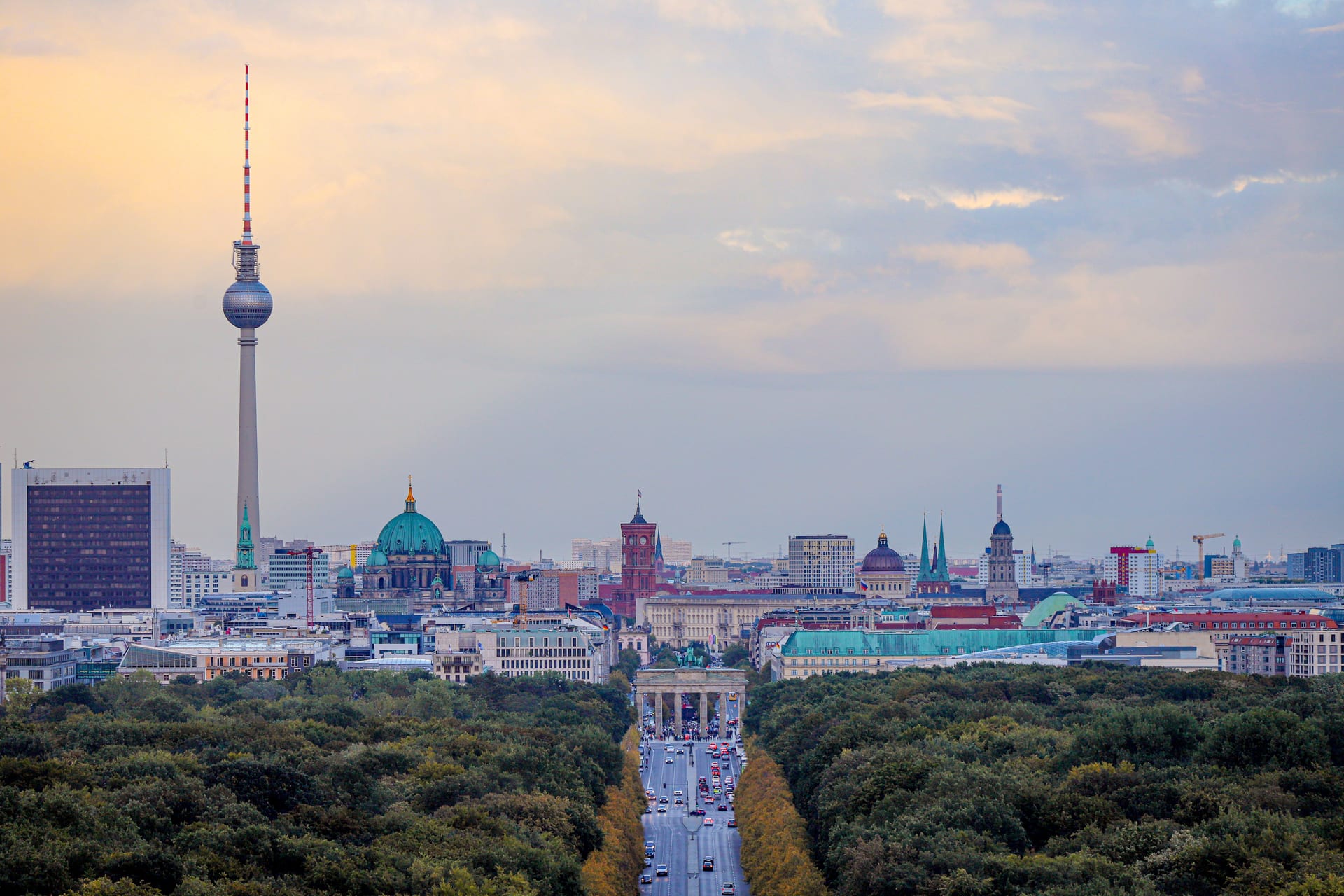
Mild summers are one part of Berlin's appeal, alongside a deep career market and a cooler, darker seasonal rhythm. Typical local employee pay is relatively strong, while winter is the main everyday compromise, with fewer bright days and very little winter brightness.

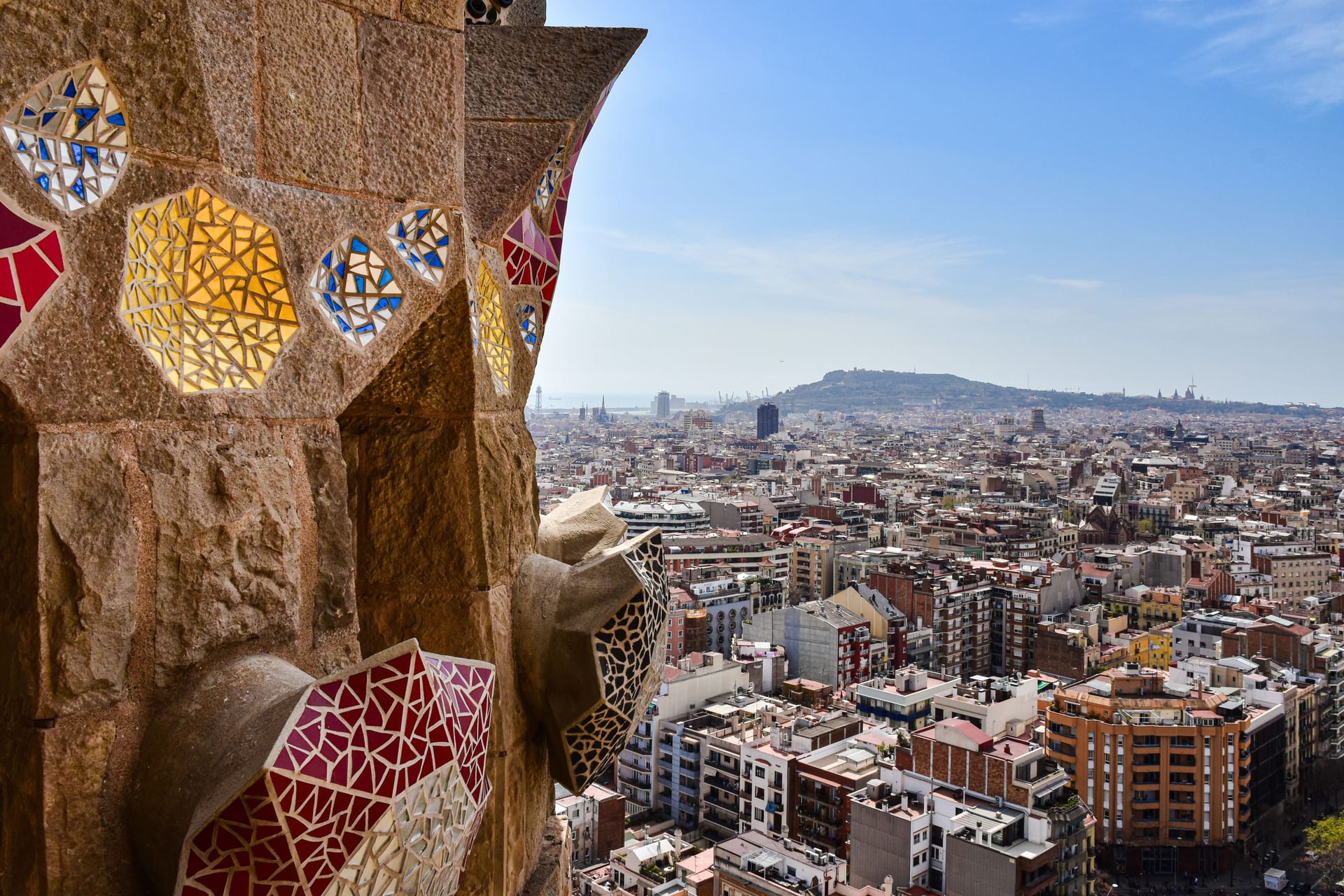
Barcelona is the Mediterranean counterweight to Madrid: less buttoned-up, built around the beach, and lived largely outdoors. The food, design, and street life are world-class, and daily costs stay gentler than Northern Europe.

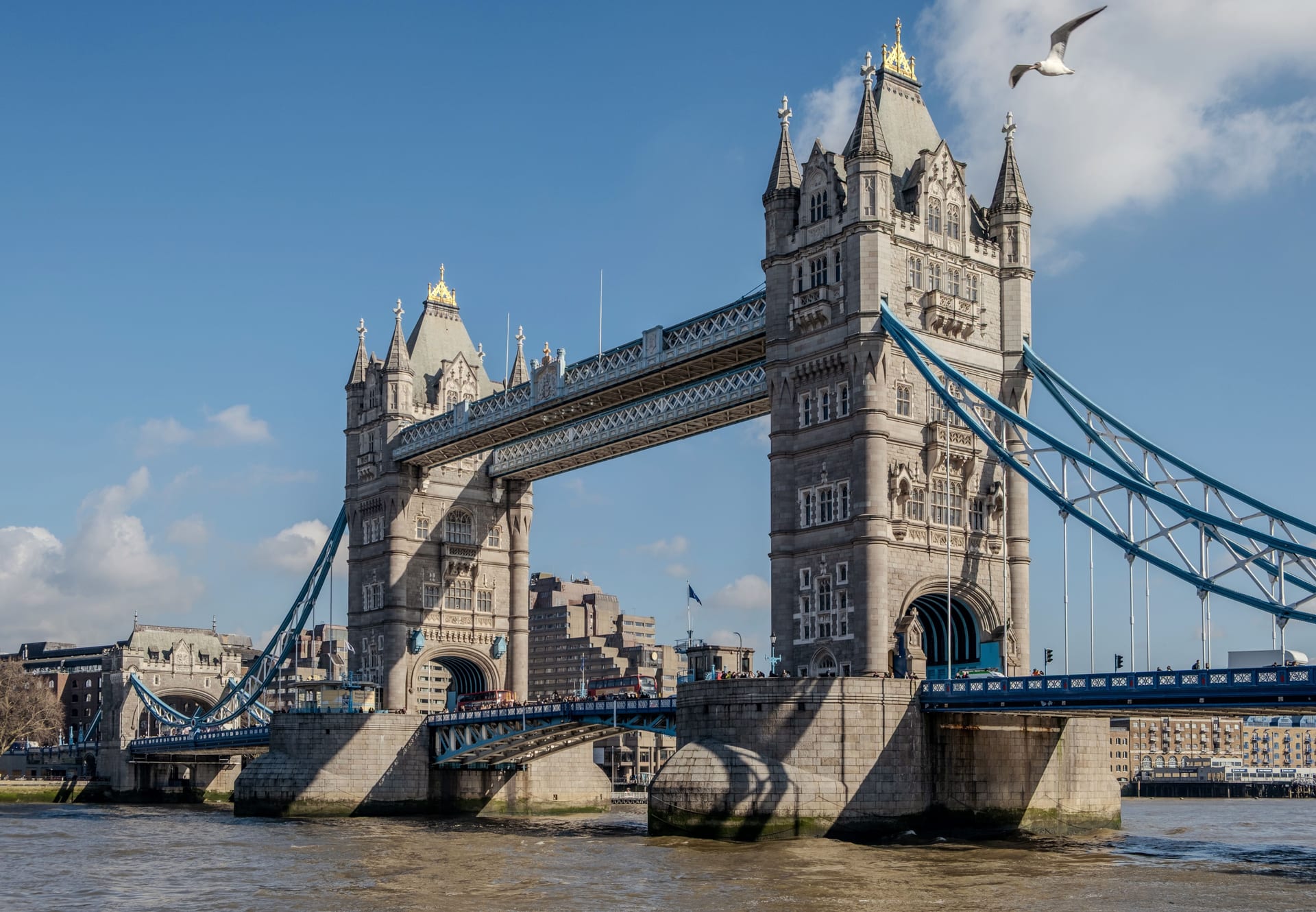
London offers a deep English-language job market and good air quality, but the climate asks for patience. Winter brightness is scarce, with about 160 bright days a year, and high humidity keeps the city's cool, dark weather feeling persistent for many residents.

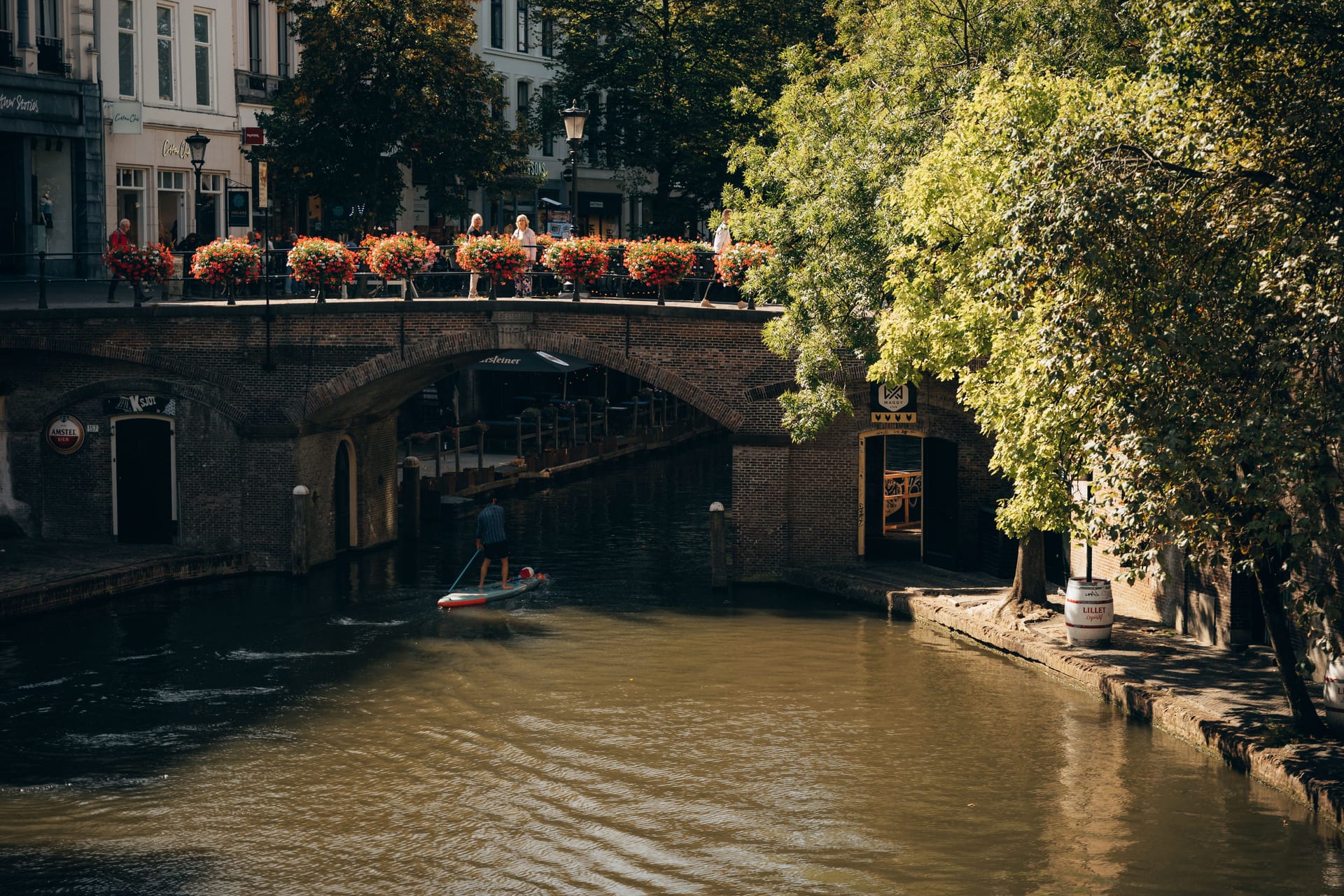
Utrecht is a compact Dutch city with a cool, damp climate and a strong, English-friendly job market. Bright days are limited and winters are dark, but summers stay mild and severe weather is rare.

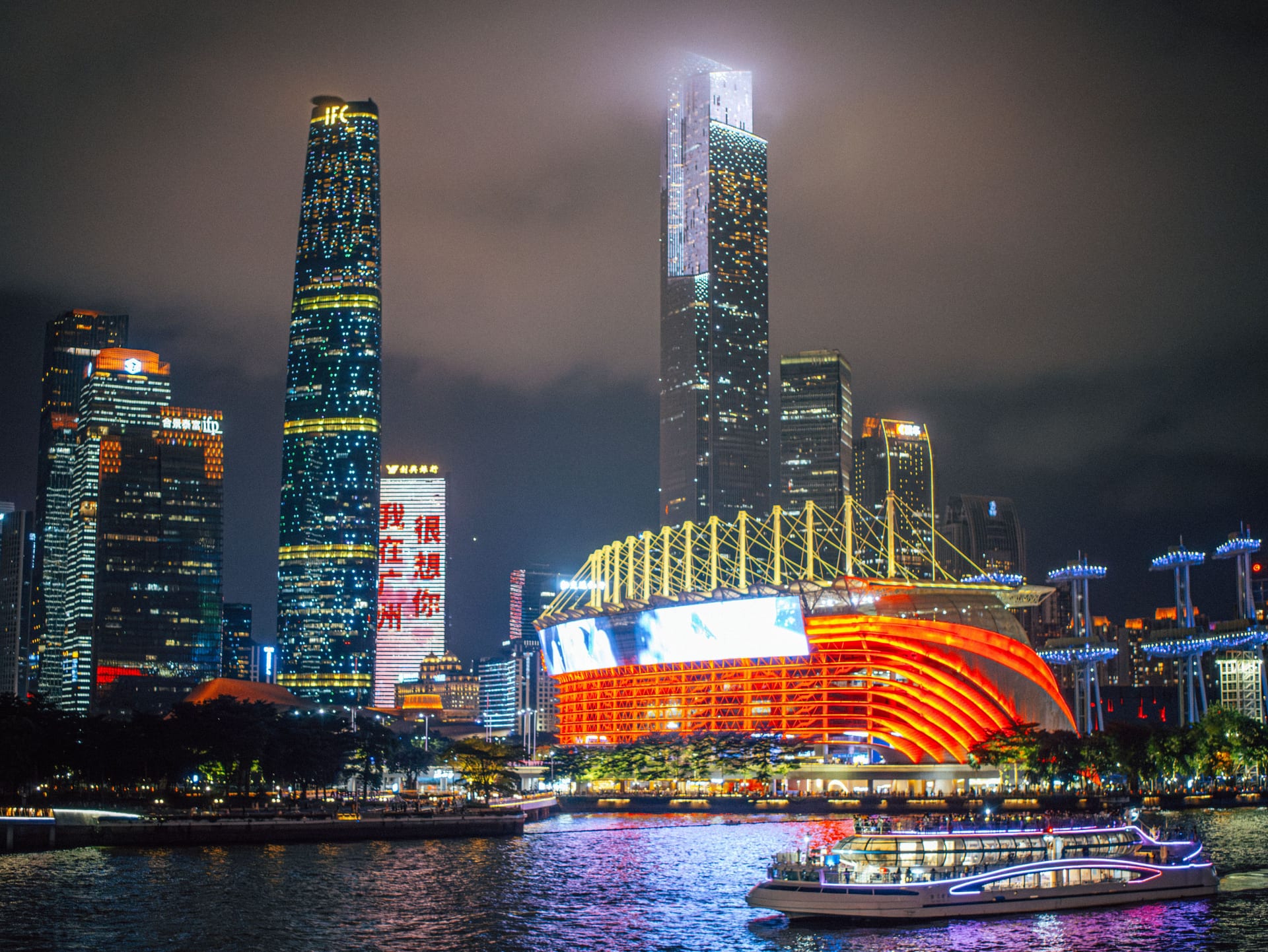
A vast manufacturing and trade hub in southern China, Guangzhou runs cheaper and a touch more relaxed than Shanghai while sharing its scale and pace. Living costs stay low against the megacity benchmark, the food is exceptional, and the metro reaches almost everywhere.

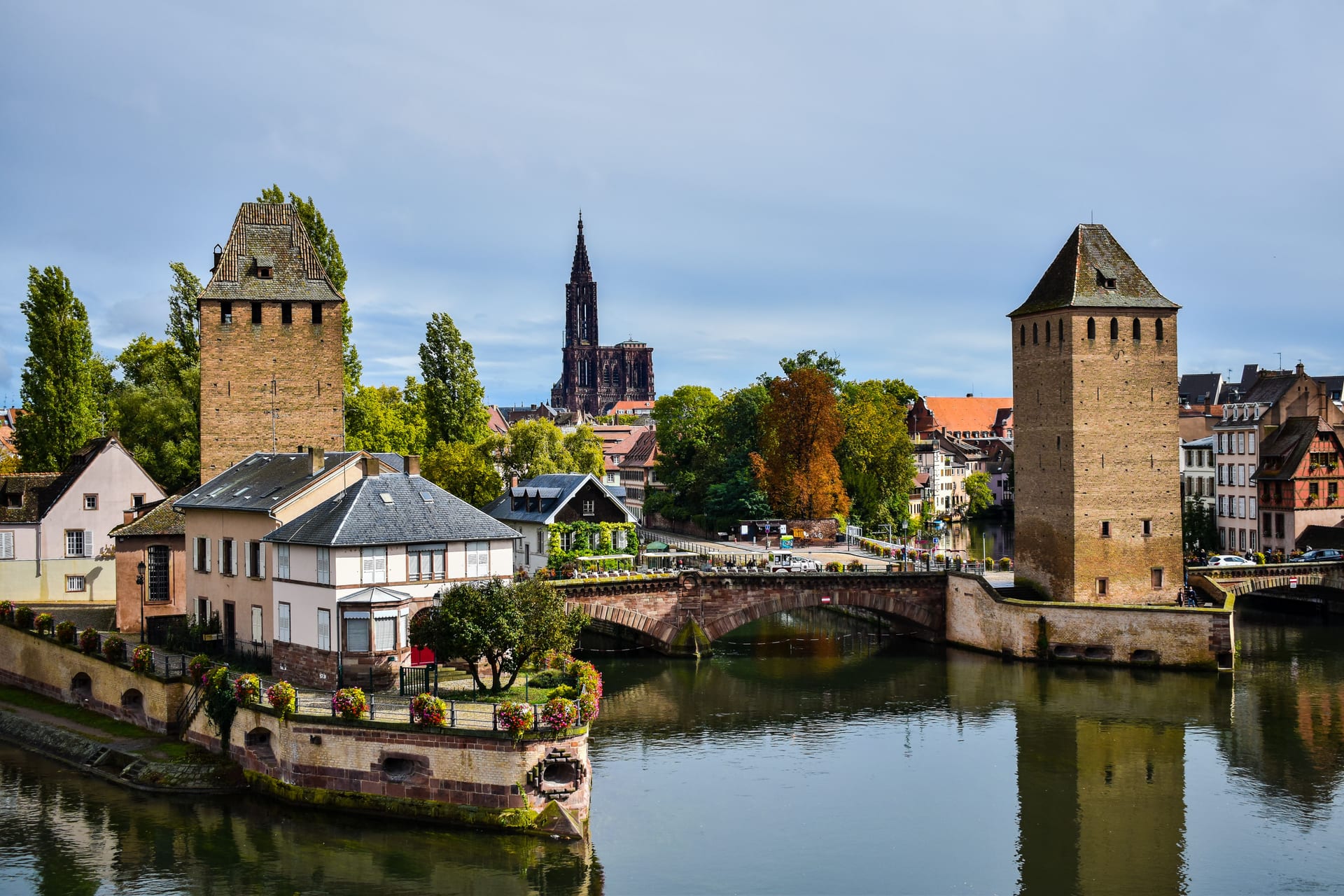
Strasbourg is a manageable mid-sized city with a very walkable urban core and a calm daily rhythm. Its 172 bright days come with a long grey season, while the local market remains modest despite comparatively solid pay for typical local employees.

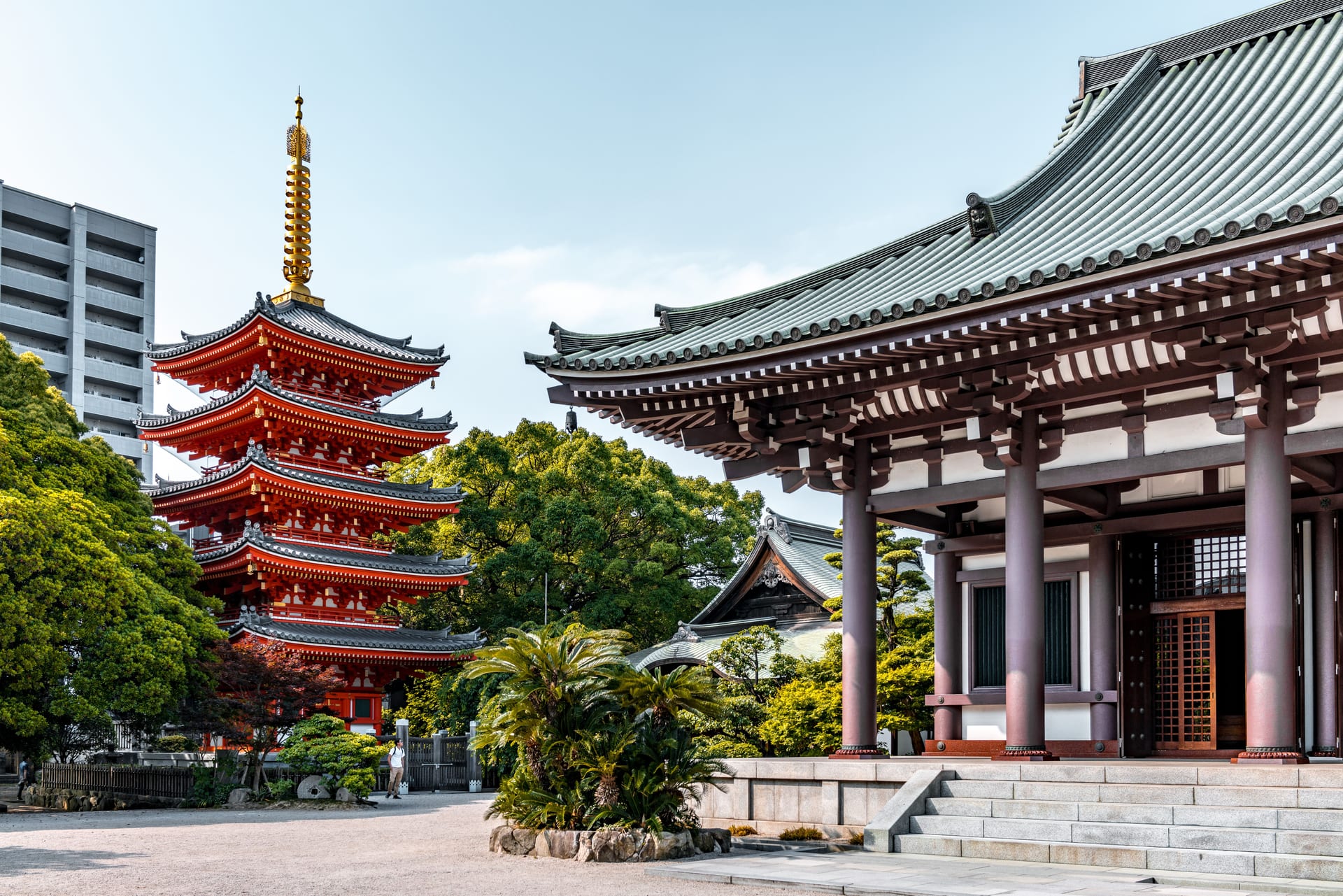
Fukuoka is Japan's most relaxed major city, a coastal hub on Kyushu that trades Tokyo's intensity for a slower pace, cheaper rents, and the sea close at hand. Daily life is safe, walkable, and famously good for eating.